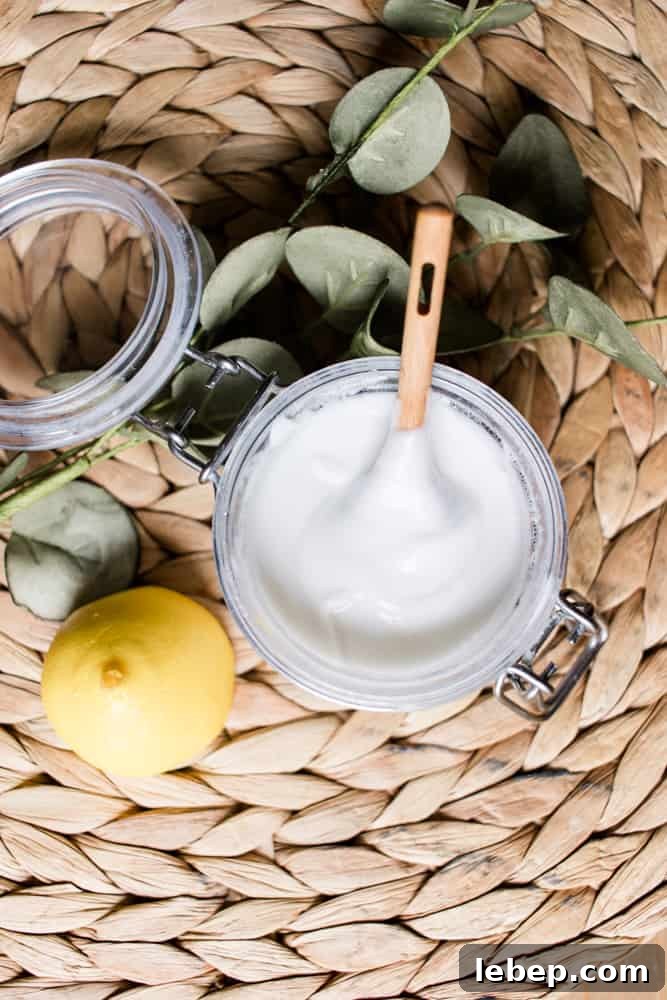
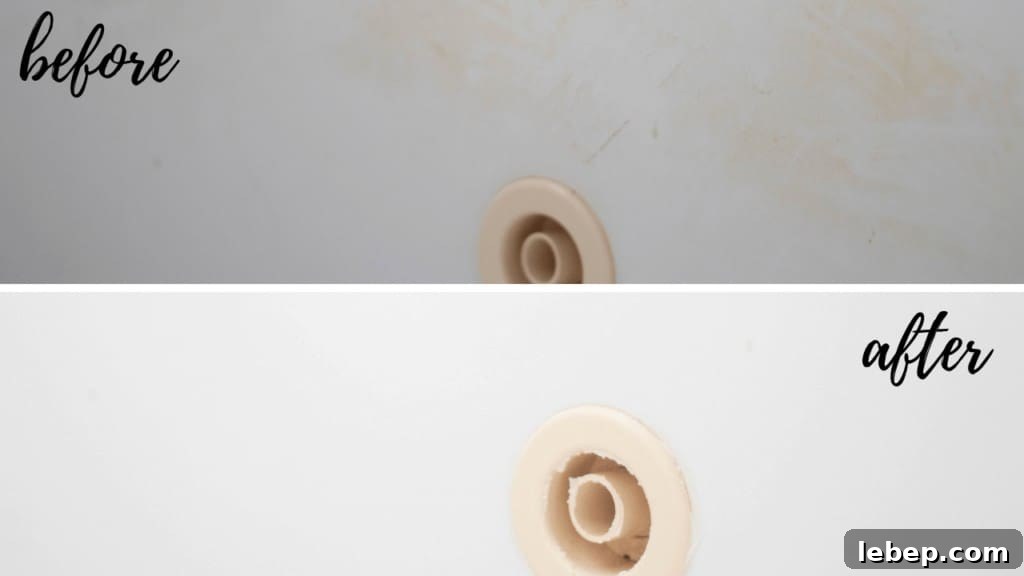
Homemade cleaners can be cheaper, gentler on the environment, and safer for your household because they contain fewer harsh chemicals. Below is a simple, effective non-toxic homemade shower cleaner that tackles soap scum, hard water stains, rust rings, and heavy grime.
This post was originally published on August 27, 2019.
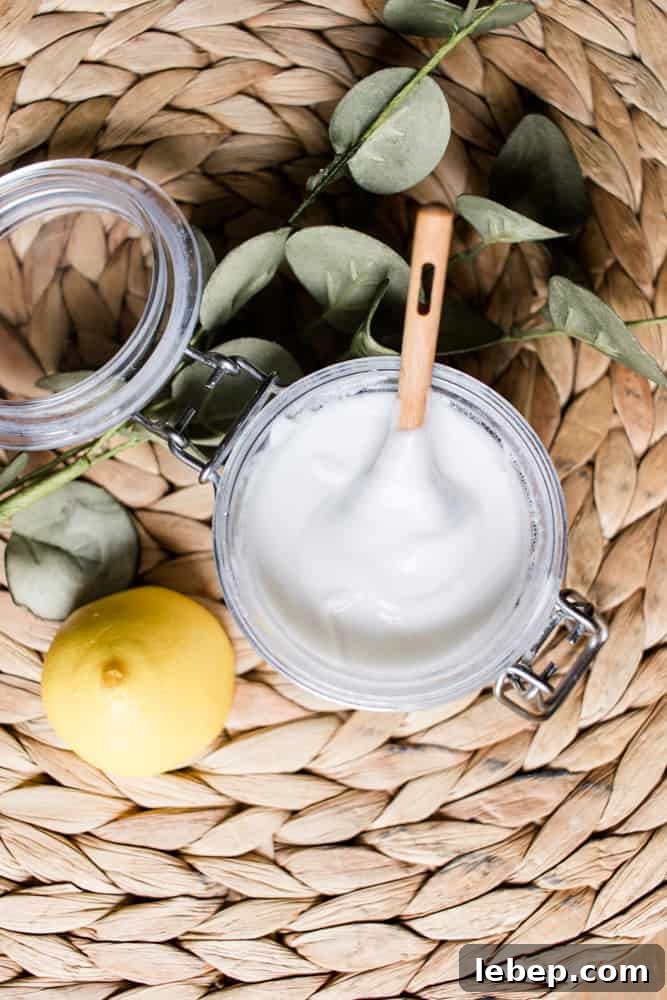
You don’t need expensive commercial cleaners to keep a bathroom sparkling. With a few common, natural ingredients you can make a powerful soft-scrub that removes soap scum, mineral deposits, and stains while leaving a fresh citrus scent.
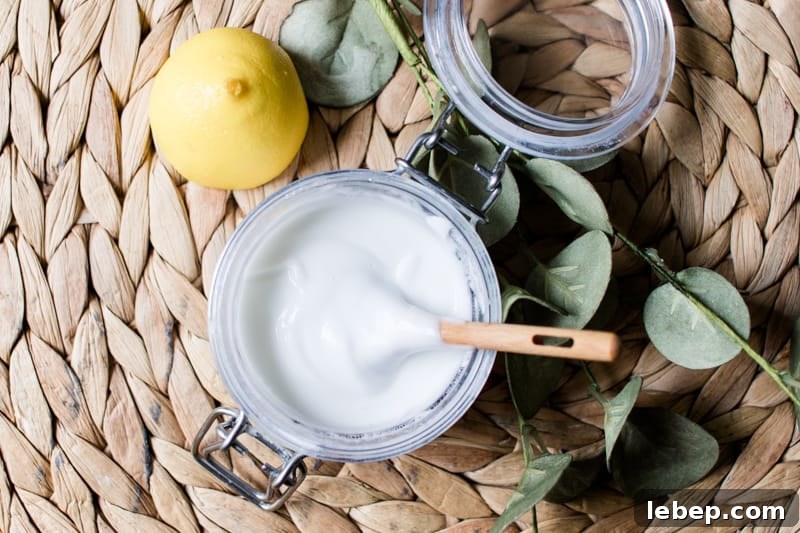
This recipe is similar in function to a commercial soft-scrub cleanser but uses baking soda, castile soap, hydrogen peroxide, and essential oil for cleaning power without toxic additives. I usually keep an all-purpose spray for routine jobs, but for deep cleaning and stubborn stains this scrub is my go-to.
Disclosure: this post contains affiliate links which help support the site at no additional cost to you.
Shower cleaner recipe
Ingredients
- 1 cup baking soda
- 1/4 cup castile soap
- 2 tablespoons hydrogen peroxide
- 10 drops lemon essential oil (optional)
- A small storage container for mixing
Instructions
- Add the baking soda to your container.
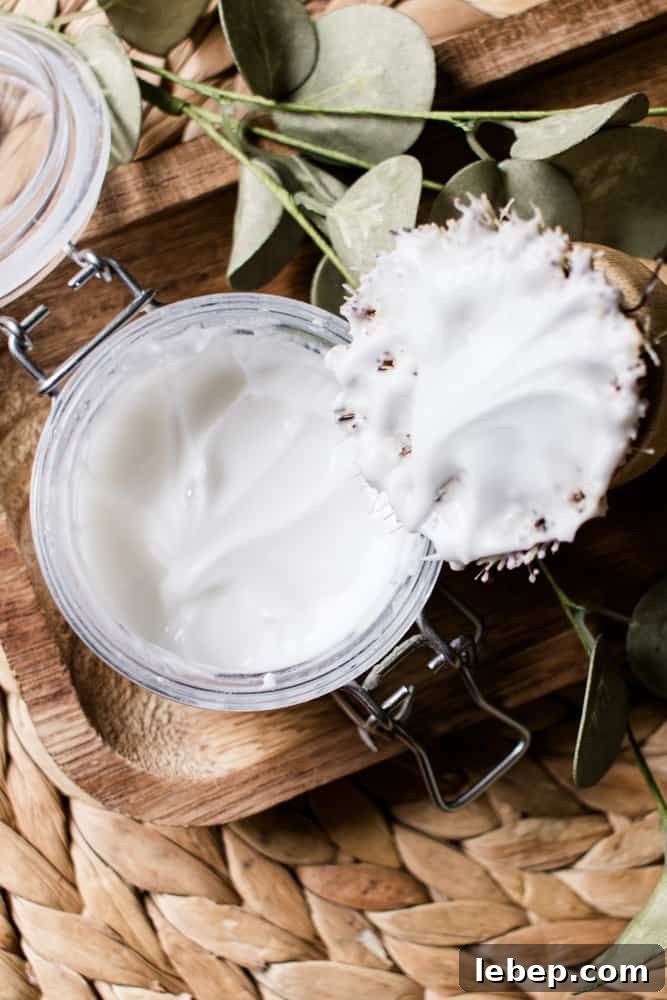
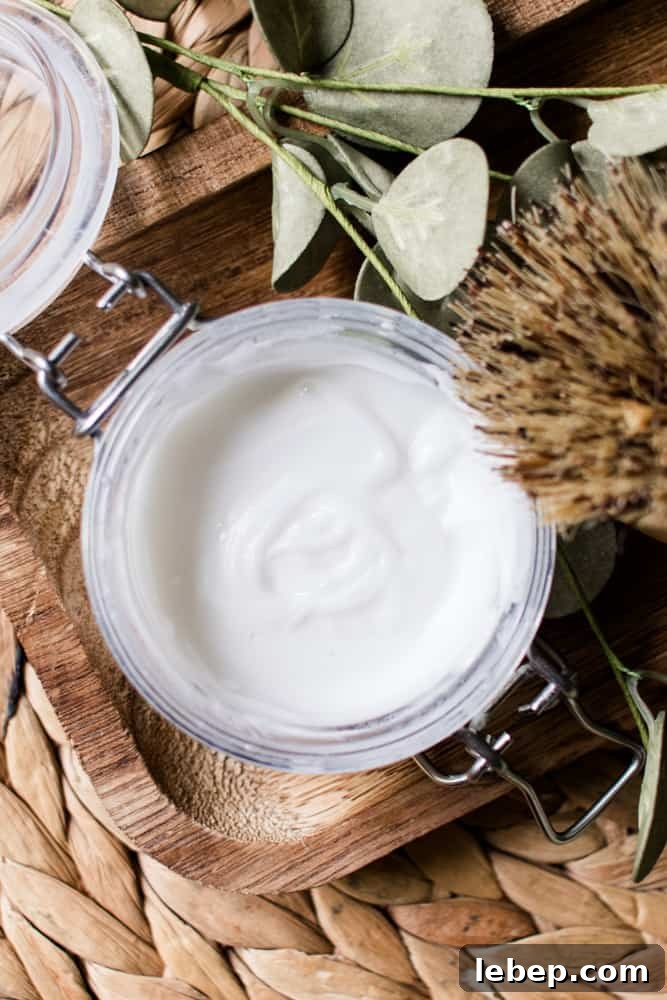
- Stir in the castile soap, hydrogen peroxide, and lemon essential oil until well combined. The mixture will form a thick paste.
- Close the container. Note: this scrub works best when made fresh; it doesn’t store well for long periods.
This quantity is enough to clean multiple tubs or a couple of deep-clean sessions, depending on how heavy the buildup is.
How to use the DIY shower cleaner/scrub
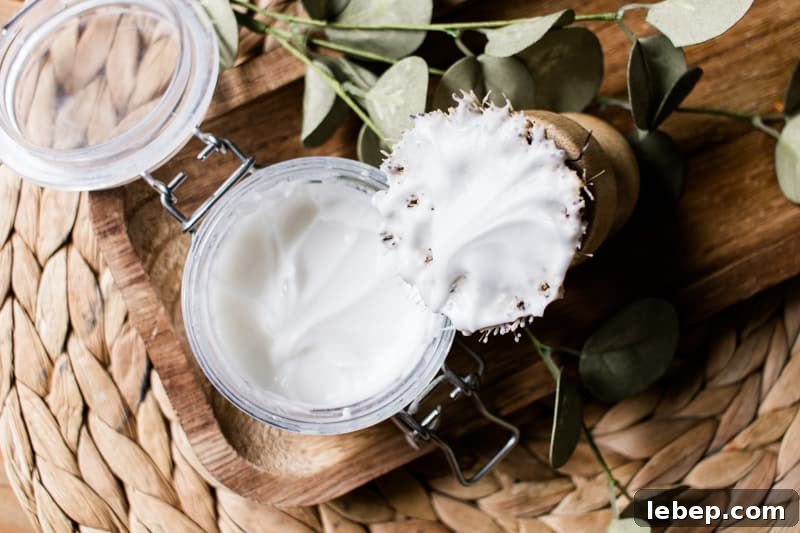
Use the back of a scrub brush or a spatula to scoop some scrub onto the tub or shower walls. Spread the paste evenly, concentrating on areas with soap scum, calcium deposits, or rust.
Let the cleaner sit for several minutes to loosen grime. Then wipe the area with a damp cloth. For persistent stains, scrub the spot vigorously with the brush, then wipe and rinse thoroughly with warm water.
How often should I clean my bathroom
For most homes, a deep clean of showers and tubs twice a month keeps buildup under control. If you use a daily spray cleaner or wipe down the surfaces after showers, you can extend the interval between deep cleans.
High-touch areas—sink handles, faucet knobs, toilet seats, and similar surfaces—benefit from more frequent attention. Wiping these down every day or every couple of days helps reduce germs and visible grime.
Why choose a non-toxic cleaner?
Many conventional bathroom cleaners contain hidden or harsh ingredients that can irritate skin, eyes, and airways. “Fragrance” often conceals phthalates, which are associated with hormonal disruption and other health concerns. Other common ingredients like chlorine, ammonia, triclosan, and strong alkalis can be irritating or harmful when inhaled or when they contact skin.
Making your own cleaner lets you control the ingredients and reduces exposure to these potentially harmful chemicals—especially important in homes with children or pets.
What each ingredient does
Baking soda
Baking soda is the base of this scrub. Its mild alkalinity helps dissolve grease and lift dirt while also neutralizing odors. It’s effective at scrubbing away soap scum and mineral buildup without scratching most surfaces.
Castile soap
Castile soap is a concentrated, vegetable-based soap that cuts through grime and helps the paste cling to vertical surfaces. A small amount goes a long way and it’s a versatile natural cleaner.
Hydrogen peroxide
Hydrogen peroxide is a gentle oxidizer that serves as an alternative to bleach. It helps break down stains, brightens surfaces, and is generally safe for most tubs, showers, and grout when used as directed.
Lemon essential oil
Lemon oil adds a clean, fresh scent and contributes mild cleaning and degreasing properties. If you prefer not to use essential oils you can omit it—the scrub will remain effective.
Alternative essential oils for cleaning
- Lemon
- Tea tree (melaleuca)
- Wild orange
- Lavender
- Rosemary
- Peppermint
- Clove
- Cinnamon
Cleaning without vinegar
This recipe avoids vinegar so it’s safe to use on natural stone surfaces such as granite and marble, which can be damaged by acidic cleaners. Hydrogen peroxide provides a non-acidic alternative that still brightens and lifts stains effectively.
If you prefer a thinner paste or a version without essential oils, you can adapt similar recipes to meet your needs. This scrub is versatile and works well in place of many store-bought soap scum or calcium buildup cleaners.
Give this homemade shower cleaner a try and note how much easier it can make deep cleaning. If you find it effective, consider integrating a mild daily spray or quick wipe-down routine to reduce the frequency of deep scrubs.
- Simple screen cleaner hack for phones and screens
- Leather shoe care tips to remove stains and polish
- Homemade natural oven cleaner for heavy-duty grime
- DIY bathroom drain cleaner using just two ingredients
- Homemade hardwood floor cleaner that really shines
Homemade Shower Cleaner
Pin
Ingredients
- 1 cup of baking soda
- ¼ cup of castile soap
- 2 tablespoons of hydrogen peroxide
- 10 drops of lemon essential oil (optional)
Instructions
-
Add baking soda to a container.
-
Stir in castile soap, hydrogen peroxide, and lemon essential oil until you have a paste.
-
Use the back of a scrub brush to scoop the cleaner onto shower or tub walls, spread evenly, and focus on stained areas.
-
Let sit for several minutes, then wipe off with a wet cloth.
-
Rinse thoroughly with warm water.