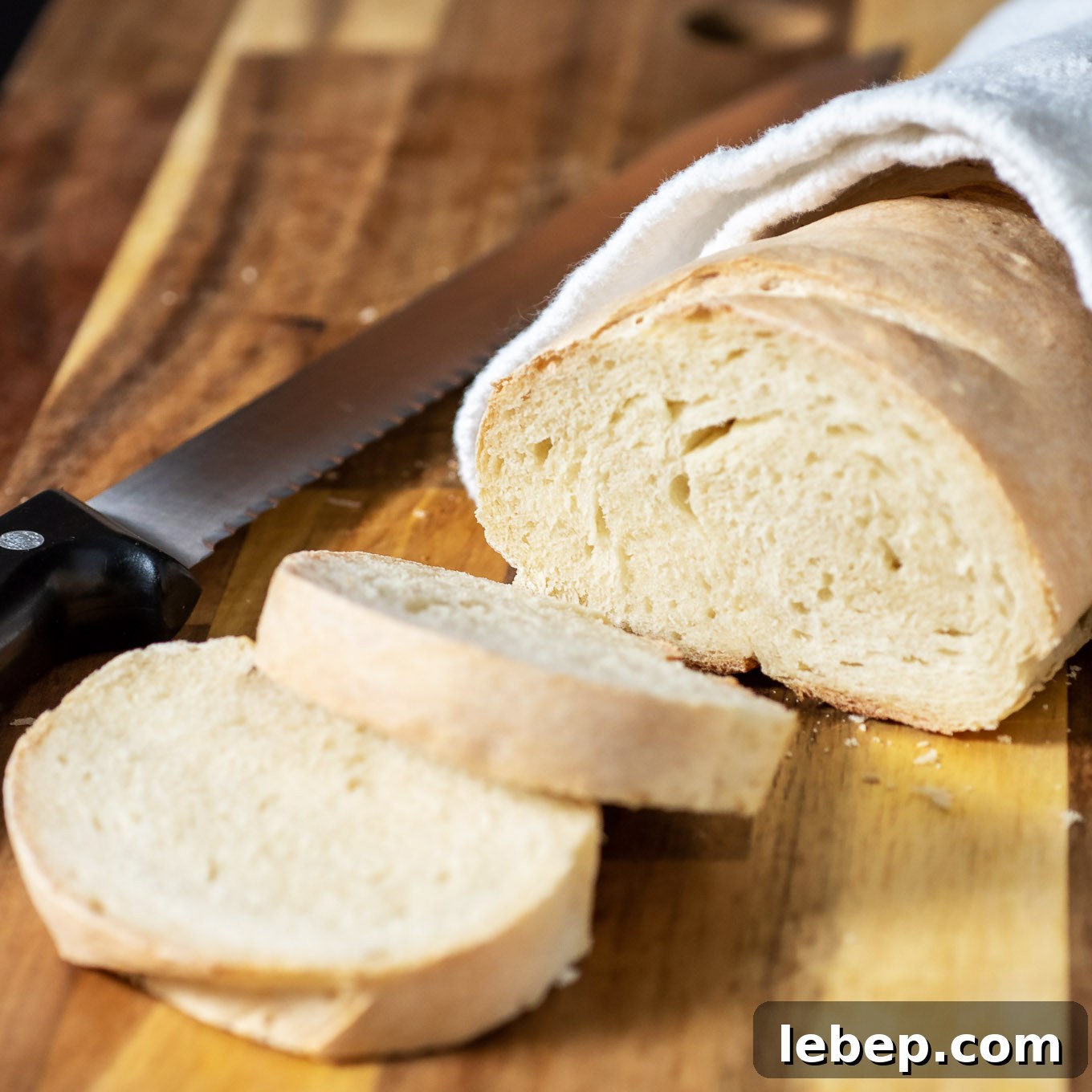
Baking bread doesn’t need to be intimidating. If terms like “proof” or “ferment” feel confusing, this guide will simplify them. Follow the basics here, then try the included Italian bread recipe designed for beginners.
Many home cooks hesitate to bake bread because recipes can seem long and the vocabulary unfamiliar. Unlike cake baking, bread is less rigidly scientific and more forgiving. With a little practice, basic bread-making is rewarding and doesn’t require specialized equipment.
Below you’ll find a clear overview of bread fundamentals—ingredients, kneading, rising, shaping, proofing, and baking—followed by a straightforward Italian bread recipe that yields two loaves.
The Ingredients
The simplest bread requires four ingredients: flour, salt, yeast, and water. From there, you can add herbs, nuts, dried fruit, or enrich the dough with eggs or butter. These are the fundamentals:
Flour. All-purpose flour is fine for many loaves. Bread flour has higher protein and creates more gluten, producing a chewier crumb. Use the one that fits your texture preference or the recipe’s recommendation.
Salt. Kosher salt is preferred for bread for its clean flavor and ease of measuring unless a recipe calls for table salt.
Yeast. Active dry and instant yeast are the common types. Active dry yeast is typically dissolved in warm water before use; instant yeast can be mixed directly into the flour. Either works—just follow the recipe’s instructions for best results.
Water. Tap water is usually fine. When hydrating yeast, “warm” water means about 100–120°F (38–49°C): warm enough to activate yeast but not so hot that it kills it.
Kneading
Kneading develops gluten, distributes ingredients, and incorporates air. You can knead by hand or use a stand mixer with a dough hook. Hand-kneading is therapeutic and takes longer (up to 30 minutes), while a mixer usually takes 8–10 minutes.
How to tell when the dough is ready: Use the poke test and the windowpane test. For the poke test, shape the dough into a ball and press a finger in; if the indentation springs back quickly, the dough is ready. For the windowpane test, stretch a small piece of dough until it becomes thin enough to let light through; if it stretches without tearing, gluten is well developed.
Undern kneaded dough can bake into a dense, puddled loaf with a tight crumb. Over kneading—rare by hand but possible with a mixer—creates a very tight, dry crumb. If dough seems overworked, giving it extra time to rise may help, though results can still be drier than ideal.
Why knead? The primary purpose is to build gluten so the dough can trap gas and rise properly, producing the structure and texture we expect from bread.
Rising and Fermentation
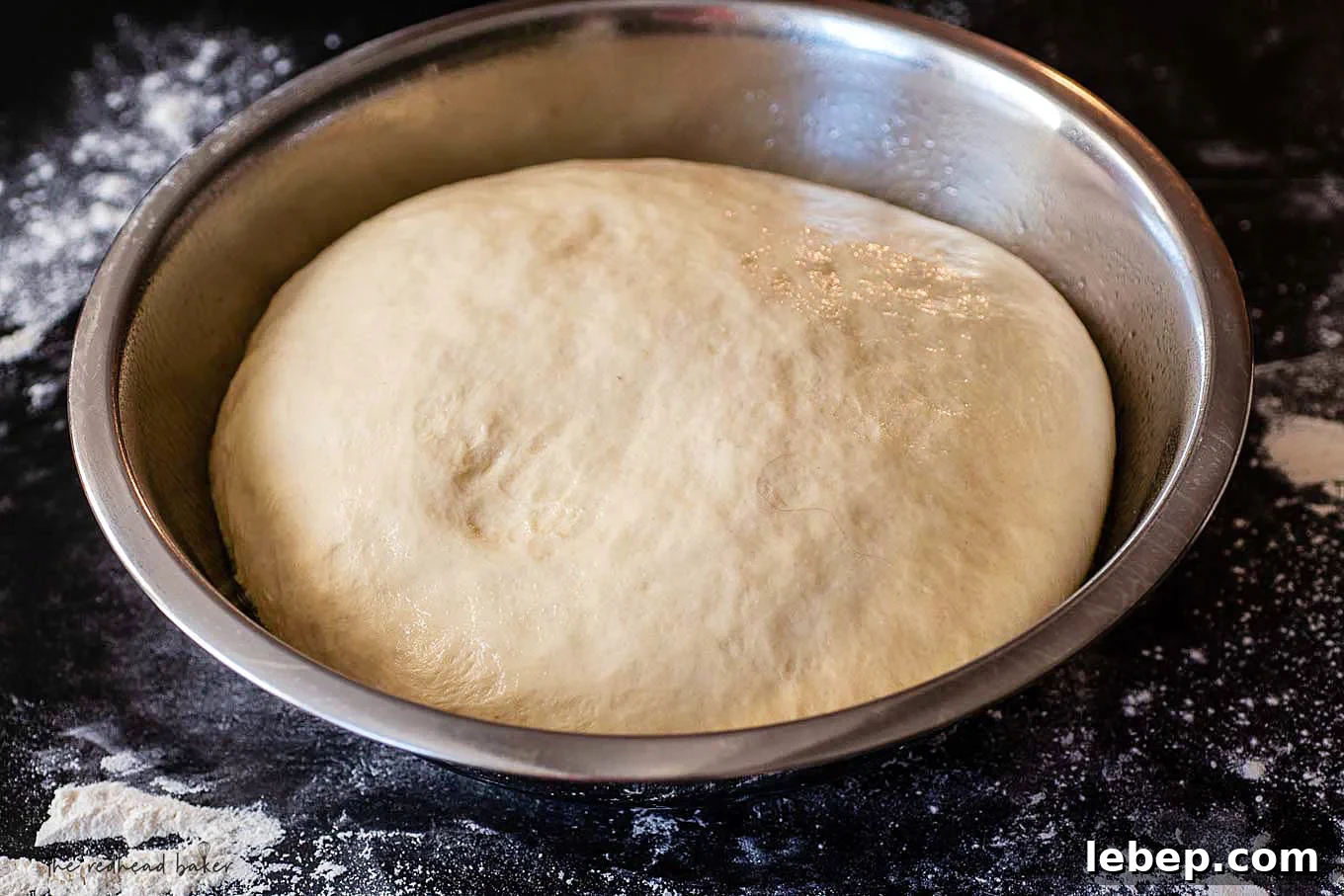
Rising (fermentation) should occur in a warm, draft-free place. During this time, yeast consumes sugars in the flour and produces carbon dioxide and small amounts of alcohol (ethanol). The trapped gas inflates the dough while ethanol and other byproducts develop flavor—the longer the fermentation, the more pronounced the flavor.
Shaping the Bread
After the first rise, shaping gives the dough its final form: baguette, boule, batard, pan loaf, rolls, braided loaves, and more. Proper shaping creates surface tension and helps the loaf hold its shape during the final proof and bake.
Proofing
Proofing is the final rest after shaping. It relaxes the gluten again and allows the yeast to produce additional gas, leading to better oven spring and improved flavor. Proof in a warm, draft-free spot until the dough nearly doubles as directed by the recipe.
Baking
Professional ovens often use steam to create a crisp, glossy crust. At home, you can replicate steam a couple of ways:
Spray bottle. Lightly mist the loaf with warm water just before baking and again a few minutes into the bake.
Preheated skillet. Place an oven-safe skillet in the oven during preheat. When you put the bread in, pour about a cup of water into the hot skillet to generate steam immediately.
Use steam only during the initial oven-spring phase; once the crust sets, excess moisture can make the crust soft or rubbery. For a shiny finish, an egg wash (one egg whisked with a tablespoon of water, brushed lightly over the loaf before baking) works well.
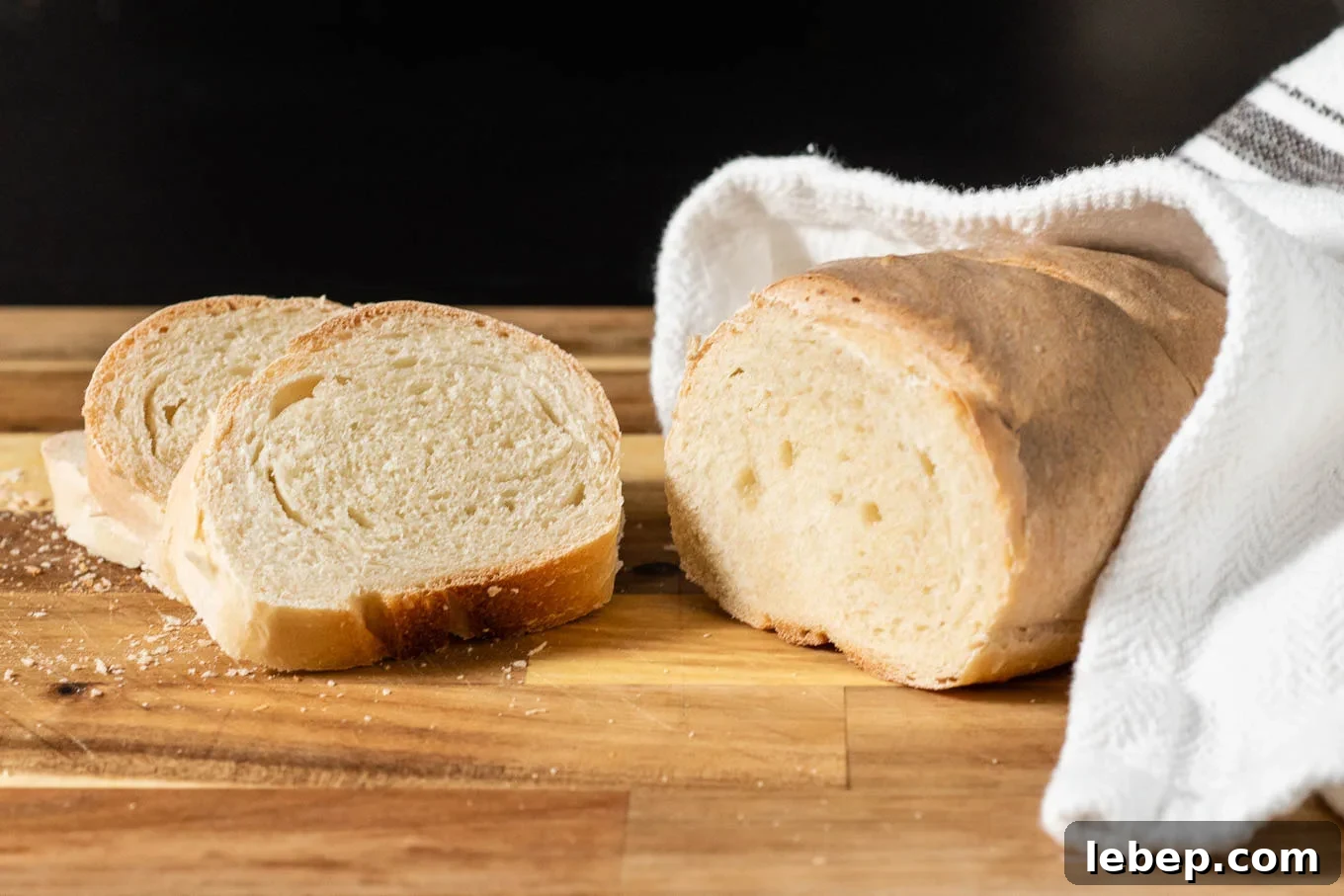
The Italian bread recipe below is approachable for first-time bread makers. It makes two loaves; serve both for a crowd or freeze one wrapped in two layers of plastic for up to three months.
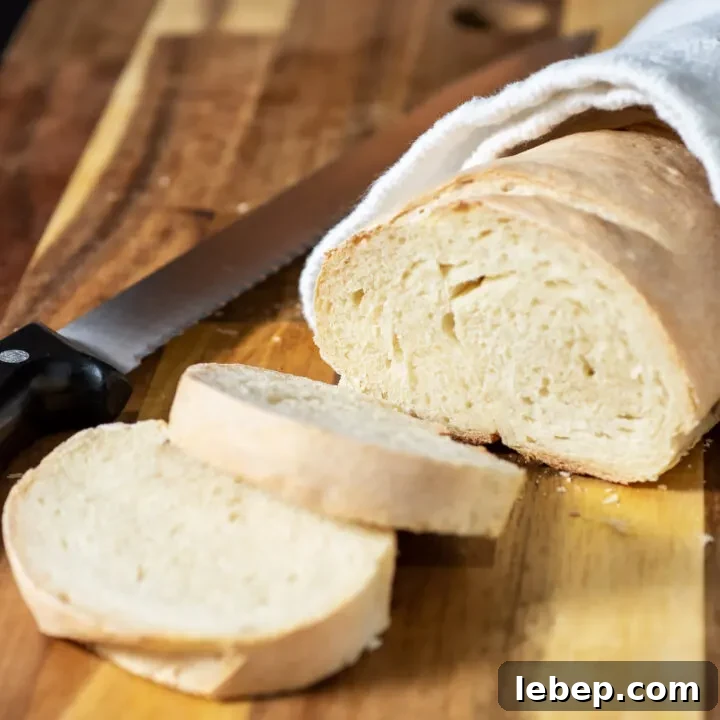
Italian Bread
2 loaves
20 minutes
30 minutes
1 hour 30 minutes
2 hours 20 minutes
Classic Italian bread features a crisp crust and a soft interior—an ideal beginner loaf to serve with pasta, soups, or sandwiches.
Ingredients
- 1 package (¼ ounce) instant yeast
- 2 cups warm water (120° to 125° F)
- 1 teaspoon sugar
- 2 teaspoon kosher salt
- 5 ½ cups all-purpose flour, divided, plus more for dusting
Instructions
- In a stand mixer bowl fitted with a paddle (or large bowl if mixing by hand), combine 2 cups of flour, the yeast, sugar, salt, and warm water. Mix on medium until the flour is moistened.
- Add the remaining 3 cups of flour, one cup at a time, mixing until the dough begins to clump around the paddle.
- Turn the dough onto a lightly floured surface and knead, adding flour a quarter cup at a time if sticky. Knead about 8–10 minutes until smooth, elastic, and slightly tacky.
- Lightly grease a large bowl. Form the dough into a ball, place it in the bowl, mist the top with nonstick spray or oil, cover with plastic wrap, and let rise in a warm place for one hour.
- Punch down the dough and divide it in half. Shape each portion into a tight log, pinching seams to seal.
- Line a baking sheet with parchment. Place both loaves on the sheet, cover lightly with plastic, and let proof in a warm spot for 30 minutes.
- Preheat the oven to 400°F while the dough proofs.
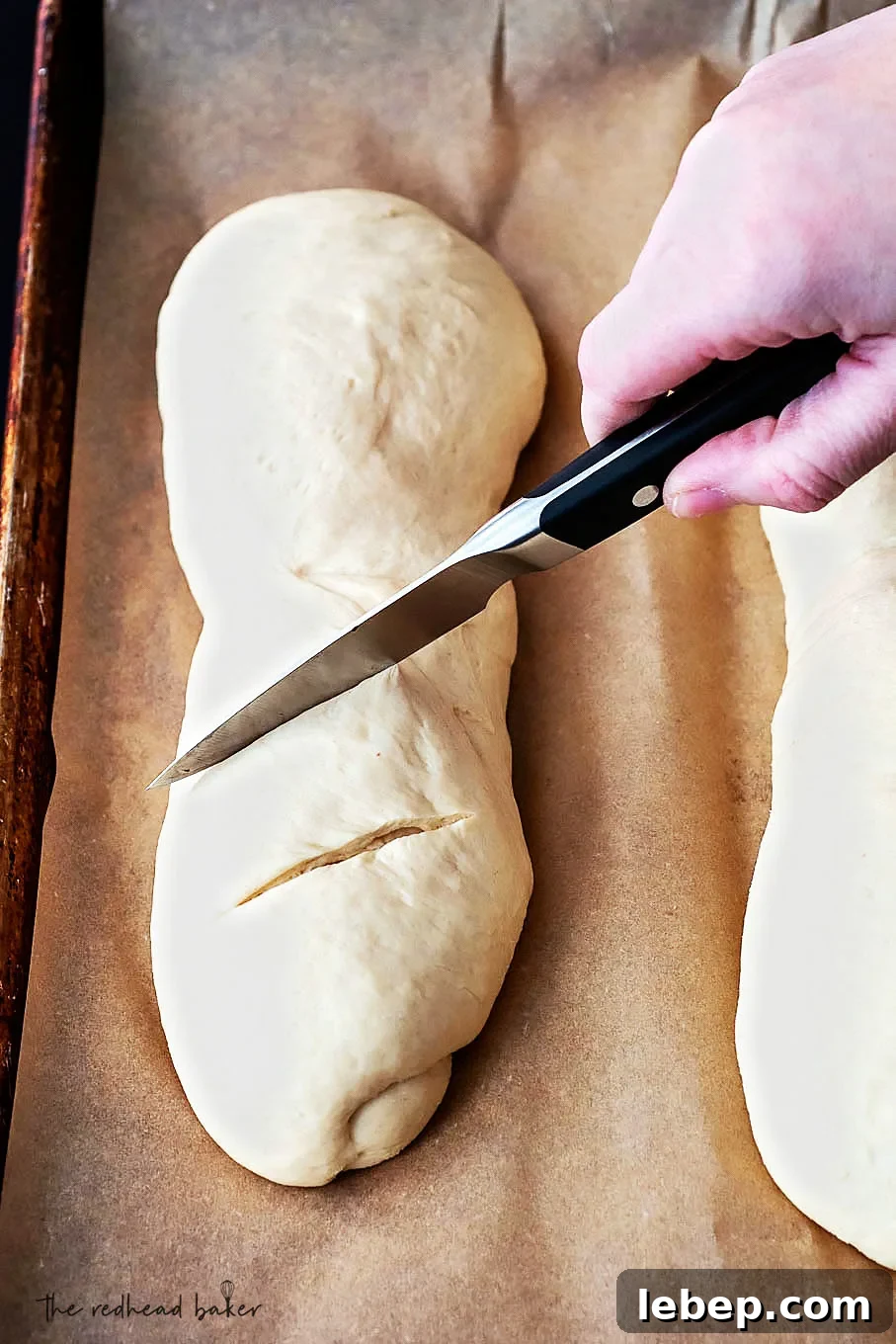
- Once proofed, remove the cover and score 4 or 5 shallow diagonal slashes across each loaf with a sharp knife to control expansion.
- Bake 25–30 minutes until golden brown. Cool at least 10 minutes before slicing.
Notes
The second loaf freezes well: wrap in two layers of plastic and store up to three months.
Nutrition Information:
Yield: 32
Serving Size: 1
Amount Per Serving:
Calories: 29Total Fat: 0gSaturated Fat: 0gTrans Fat: 0gUnsaturated Fat: 0gCholesterol: 0mgSodium: 146mgCarbohydrates: 6gFiber: 0gSugar: 0gProtein: 1g
Nutrition info is automatically calculated and should be used as a guideline.
More yeast bread recipes:
- Brioche Rolls
- Mini Croissants
- Sandwich Bread