Homemade nut butter is simple to make and often far more economical than specialty flavored jars from the store. True natural nut butter needs only nuts; with a few tips you can make small-batch, gourmet-style nut butter at home tailored to your taste.
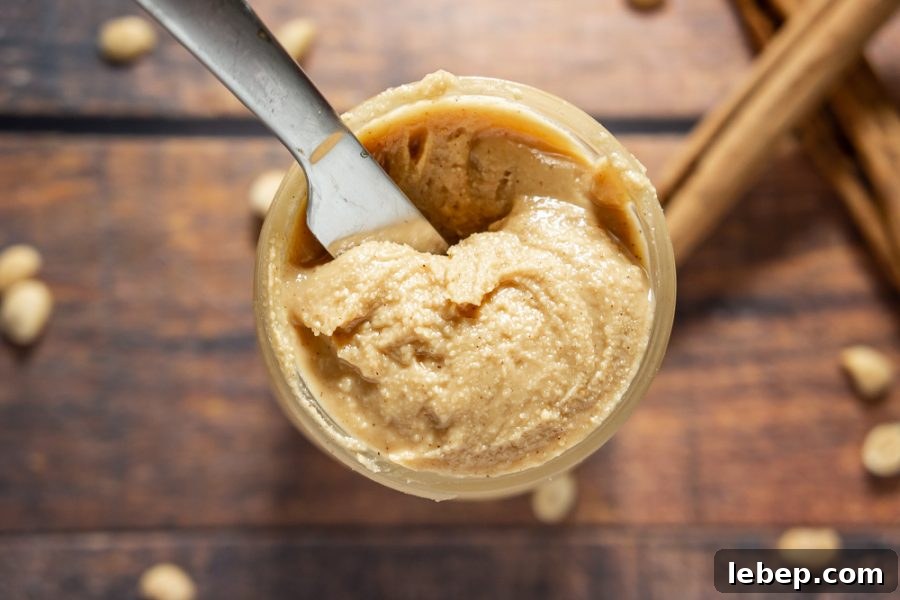
Peanut butter is my go-to: a dip for apples and carrots, a breakfast spread, a quick spoonful snack. I love almond, cashew and more — there are so many nut options now. Buying high-quality, natural nut butter can get expensive, but the good news is that homemade nut butter is ridiculously easy. In about ten minutes you can have fresh nut butter made to your preferences without the gourmet price tag.
Below are straightforward guidelines to make nut butter with any nut and to experiment with flavors. A Maple Cinnamon peanut butter suggestion is included at the end.
Choosing Your Nuts – Key Tips
The great thing about making nut butter at home is the flexibility. Want cinnamon-honey almond butter, vanilla-spiced pecan butter, or simple maple peanut butter? All are easy to make.
- Buy nuts in bulk – it takes several cups to yield a reasonable jar of butter. Nuts keep well, especially sealed in the refrigerator, so buying larger quantities saves money and ensures you always have nuts on hand.
- Choose roasted, unsalted nuts when possible – pre-roasted unsalted nuts save you the roasting step while letting you control salt levels. If pre-roasted aren’t available, buy raw unsalted nuts and roast them yourself for the best flavor.
Natural Oils in Nuts
Different nuts contain different oil levels. High-oil nuts release more oil during blending and produce a looser butter; lower-oil nuts may need a splash of neutral oil to reach your preferred texture. As a rule, blend the nuts first and add oil only if needed.
Blend first, add oil later. Many recipes call for added oil from the start, but this can create an excessively loose, drippy butter at room temperature. Let the nuts process until a smooth paste forms; if the texture is too thick at that point, add one tablespoon at a time of a neutral oil (canola, vegetable, or grapeseed) until you reach the desired consistency.
If a nut seems oily after processing, don’t worry — nut butters often thicken in the refrigerator. Seeds such as sesame (tahini) and sunflower (sunbutter) also make great butters and contain plenty of natural oil, so treat them the same way: toast and blend.
Flavoring Your Nut Butter
Flavoring is where simple nut butter becomes gourmet. I recommend at least a pinch of salt unless you used salted nuts. Sweeteners and spices are common additions — add them gradually and taste as you go.
Sweeteners – Most work well. Syrups (maple, honey, agave) can add moisture, so add them slowly to avoid a sticky texture.
- Brown or white sugar
- Honey
- Maple syrup
- Date syrup
- Agave
Spices – Start small (about 1/2 tsp) and adjust. Potent spices like cayenne or clove should be used sparingly.
- Vanilla (use scraped vanilla bean or paste)
- Cinnamon
- Nutmeg
- Ginger
- Black pepper or cayenne for heat
Get creative: cocoa powder, espresso powder, or ground flaxseed can add interesting flavors and nutrition. Note that some nuts (pistachios, cashews, pine nuts) have naturally sweeter profiles and may need little or no added sugar.
Pro tip: Avoid water-based flavoring agents like liquid extracts or fruit juices while blending; they can cause nut mixtures to seize up. Use vanilla bean or paste instead, and add syrups sparingly at the end.
Making Homemade Nut Butter
Once you’ve chosen your nuts, the process is quick and straightforward. A food processor or a high-powered blender works best. Expect 10–15 minutes in a food processor or several one-minute cycles in a high-speed blender, pausing to scrape the sides between blends.
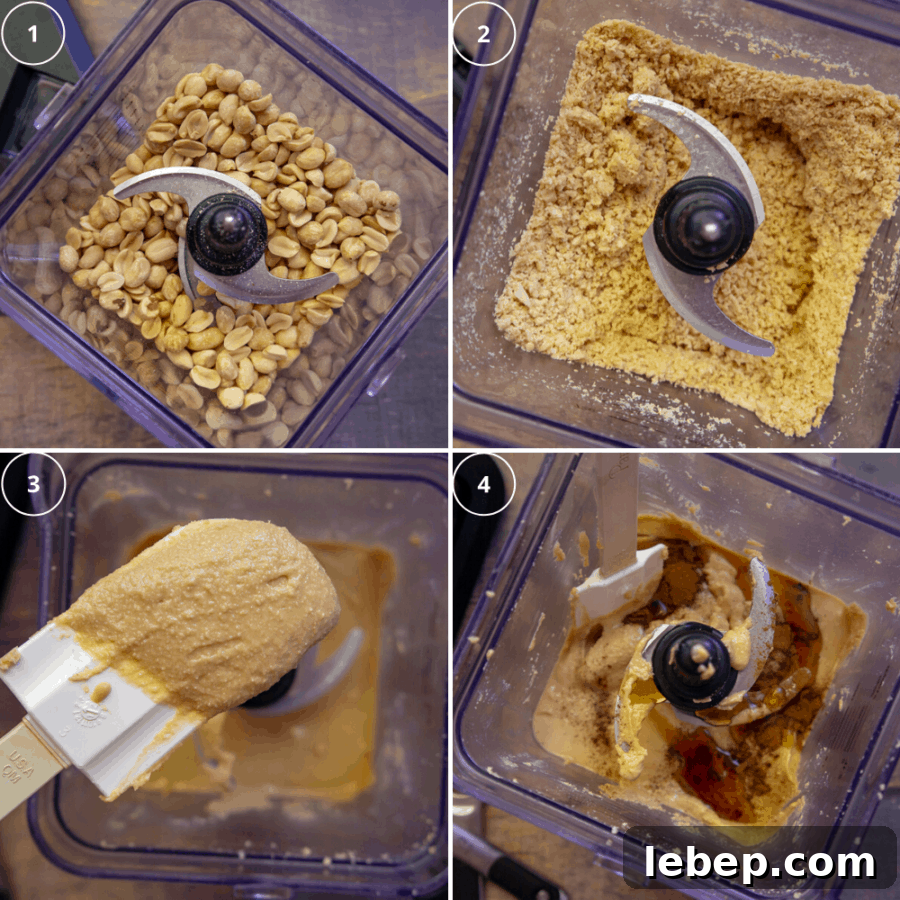
- Add nuts to your food processor or blender and begin blending. The nuts will progress from crumbs to a coarse paste and finally to a smooth butter as oils release.
- Stop occasionally to scrape down the bowl so everything blends evenly.
- If you prefer chunky butter, stop when small pieces remain. For smooth butter, continue until completely creamy.
- Add salt, sweetener, and optional oil at the end and blend to combine. Taste and adjust as necessary.
- Store in a clean jar in the refrigerator. Without commercial stabilizers, homemade nut butter should be refrigerated and will keep about four weeks. It can also be frozen for up to four months.
A blender can generate heat, so work in short cycles and let the mix rest if it gets too warm.
FAQ
If any water-based liquid (extracts, juices) was added during blending, the mixture can seize. Make sure your equipment is dry and avoid adding liquid extracts until after processing, or use paste/vanilla bean instead.
How do I make chunky nut butter?
Either stop processing while small chunks remain, or blend to a smooth paste and fold in coarsely chopped nuts afterward.
Oil has separated in storage — is it spoiled?
Separation is normal, especially with high-oil nuts. Stir the oil back in and refrigerate. Separation is less common with peanuts and other lower-oil nuts.
Can I mix different nuts?
Absolutely. Blending multiple nuts creates unique flavors and textures — try pistachio-almond or walnut-cashew combinations.
Go Nuts!
Now you have everything needed to make homemade nut butter. Browse gourmet jars at the store for inspiration, then make your own version at home for less. Enjoy experimenting and happy eating!
Homemade Nut Butter (Maple Cinnamon Peanut Butter Suggestion)
Mikayla M.
Ingredients
General Nut Butter
- 4 cups nut of choice
- 1/4 tsp salt
- 1–2 tbsp sweetener of choice (start with less)
- 1–2 tbsp neutral oil (optional, only if needed)
Maple Cinnamon Peanut Butter
- 4 cups roasted, unsalted peanuts
- 1 1/2 tbsp pure maple syrup
- 1/2 tsp cinnamon
- 1/4 tsp kosher salt
Instructions
General Nut Butter
- Add nuts to a food processor or blender and blend until smooth, pausing to scrape down the sides. In a good blender, 4–5 one-minute cycles should work; expect 10–12 minutes in a food processor.
- Add salt, sweetener, and oil only if the butter is too thick. Blend and taste, adjusting as needed.
- Store in a jar in the refrigerator. This base recipe yields about 2.5 cups of nut butter.
Maple Cinnamon Peanut Butter
- Follow the general instructions using roasted, unsalted peanuts. After reaching the desired consistency, add maple syrup, cinnamon, and salt; blend briefly to combine, then store in the fridge.
Notes
- Do not add oil until the end. Nuts will release oil while blending.
- Nut butter thickens when refrigerated.
- Avoid water-based flavorings like liquid extracts or juices to prevent seizing.
- Nutrition and times are estimates and will vary by ingredients and equipment.
Originally Published 4/28/2019, Updated 3/29/2020