Gardening is about timing and adaptability. Use this month-by-month calendar as a seasonal roadmap and adjust it to your local frost dates for precise planting windows.
This Zone 5b planting calendar aims to help you build a true four-season garden: a cool spring window, a productive summer, and a long fall stretch when planned correctly.
One important point: USDA hardiness zones reflect winter minimum temperatures, not exact planting dates. The USDA Plant Hardiness Zone Map is based on average annual extreme minimum winter temperatures, shown in 10°F zones with 5°F half-zones.
If you haven’t confirmed your zone, check your gardening zone so you know what to plant and when.
Table of Contents
- How to Use This Calendar
- Two Ways Most People Garden
- January
- February
- March
- April
- May
- June
- July
- August
- September
- October
- November
- December
- Frequently Asked Questions
- More About Gardening
How to Use This Calendar
Base timing on your frost and freeze dates, and use the monthly checklist as a flexible guide.
- Treat months as a seasonal checklist, not a fixed schedule.
- If you start seeds indoors: earlier is not always better. Smaller, healthy seedlings often outperform oversized starts once planted outside.
Practical takeaway: Use USDA zones for perennial winter survival and local frost/freeze data for planting dates.
Two Ways Most People Garden
Gardeners usually choose one of two approaches, both effective.
- Buy transplants from a garden center when conditions are right. It’s the simplest route and reliable.
- Start seeds indoors weeks before transplanting. This offers more variety and timing control but requires more setup. Refer to a seed-starting guide for details.
Regardless of method, many crops are best direct-sown into the ground: leafy greens, carrots, beets, radishes, and similar crops.
Zone 5b planting calendar month-by-month:
January
January is a reset. In Zone 5b the weather is cold, so this month is for planning, inventory, and light indoor starts.
January checklist
- Inventory seeds. Check what you have before buying more.
- Test older seeds for viability using a damp paper towel in a sealed bag for 5–10 days. Replace packets with low germination.
- Replace short-lived seeds first (onions, leeks, parsley, peppers).
- Order seeds early to secure desired varieties.
- Start onions indoors. Choose long-day types for northern areas and short-day for southern regions.
February
February is preparation: gather supplies and finalize seed-starting setups so March goes smoothly.
February checklist
- Assemble seed-starting supplies so you’re ready when seeds need sowing.
- Use seed-starting mix rather than standard potting soil.
- Set up grow lights for sturdy seedlings.
- Choose a starting method: cell trays are common; soil blocks reduce transplant shock and root binding.
- Use a humidity cover to prevent drying in winter air.
- Add a small fan to strengthen stems by simulating wind.
- Late-winter outdoor task: cut back asparagus ferns and top with compost.
March
March marks the start of the season indoors. Avoid starting too much too early—overgrown seedlings often underperform.
March checklist
- Start cool-season seeds indoors first: brassicas like broccoli, cauliflower, and cabbage.
- Label everything to avoid confusion later.
- Topdress with vermiculite after sowing to reduce damping off.
- Start individual lettuce seedlings 1–2 weeks after brassicas for transplanting outdoors in April; or plan to direct sow lettuce in April when soil warms.
- Prep beds when weather allows—add about 2 inches of compost to raised beds.
- Generally avoid planting outdoors in March unless you use row covers or makeshift cloches for protection.
April
April tests patience with variable weather. Use covers and hardening-off to transition seedlings outdoors.
April checklist
- Start warm-season seeds indoors about six weeks before transplanting: tomatoes, peppers, eggplant.
- Plant brassicas outdoors in a warm window around mid-April.
- Use row covers or cloches to protect against cold nights.
- Harden off seedlings over 1–2 weeks, gradually increasing time and sun exposure.
- Direct sow: radish, kale, spinach, arugula, Swiss chard, carrots, and beets when conditions allow. Plant seed potatoes when the soil is workable.
- Plant onion sets started in January.
- Early harvests: asparagus and rhubarb when ready—harvest sparingly to allow regrowth.
- Switch row covers to insect netting for brassicas once warmth is no longer the main concern.
May
May is the month when most crops go into the ground. Watch for late freezes and be cautious with warm-season planting.
May checklist
- General rule: avoid warm-season planting before Mother’s Day unless the soil and forecast are reliably warm.
- Plant peppers, green beans, eggplant, and okra. Start peppers and eggplant indoors; direct sow beans and okra.
- Plant tomatoes deeply to encourage roots along the buried stem; stake or cage early for support.
- Manage tomato blight with rotation, mulch to prevent soil splash, and growing multiple plants to tolerate losses.
- Harvests begin: radishes, spinach, kale, arugula, and early lettuces. Harvest greens in the morning and store properly.
- Watering becomes a key task. Young plants dry out quickly in wind and sun.
June
June shifts the pace: things take off as temperatures rise. Time planting for warm-season crops accordingly.
June checklist
- Delay planting most squash, cucumbers, pumpkins until mid-June or after the solstice.
- Harvest garlic scapes when curled but before they open.
- Stop harvesting asparagus when spears start to fern out; let plants rebuild.
- Start fall garden planning in late June; begin fall brassica seedlings indoors for transplant in six weeks.
- Secure tomato supports with sturdy posts once plants are large.
July
July is full-swing growing. Expect regular maintenance, harvesting, and pest vigilance.
July checklist
- Finish brassica harvests like cabbage, cauliflower, and broccoli.
- Plant fall cabbage transplants started in June; protect with insect netting and consistent watering.
- Harvest garlic when leaves yellow and dry; cure in a dry, ventilated area for at least two weeks before storage.
- Stake peppers to prevent breakage from fruit weight.
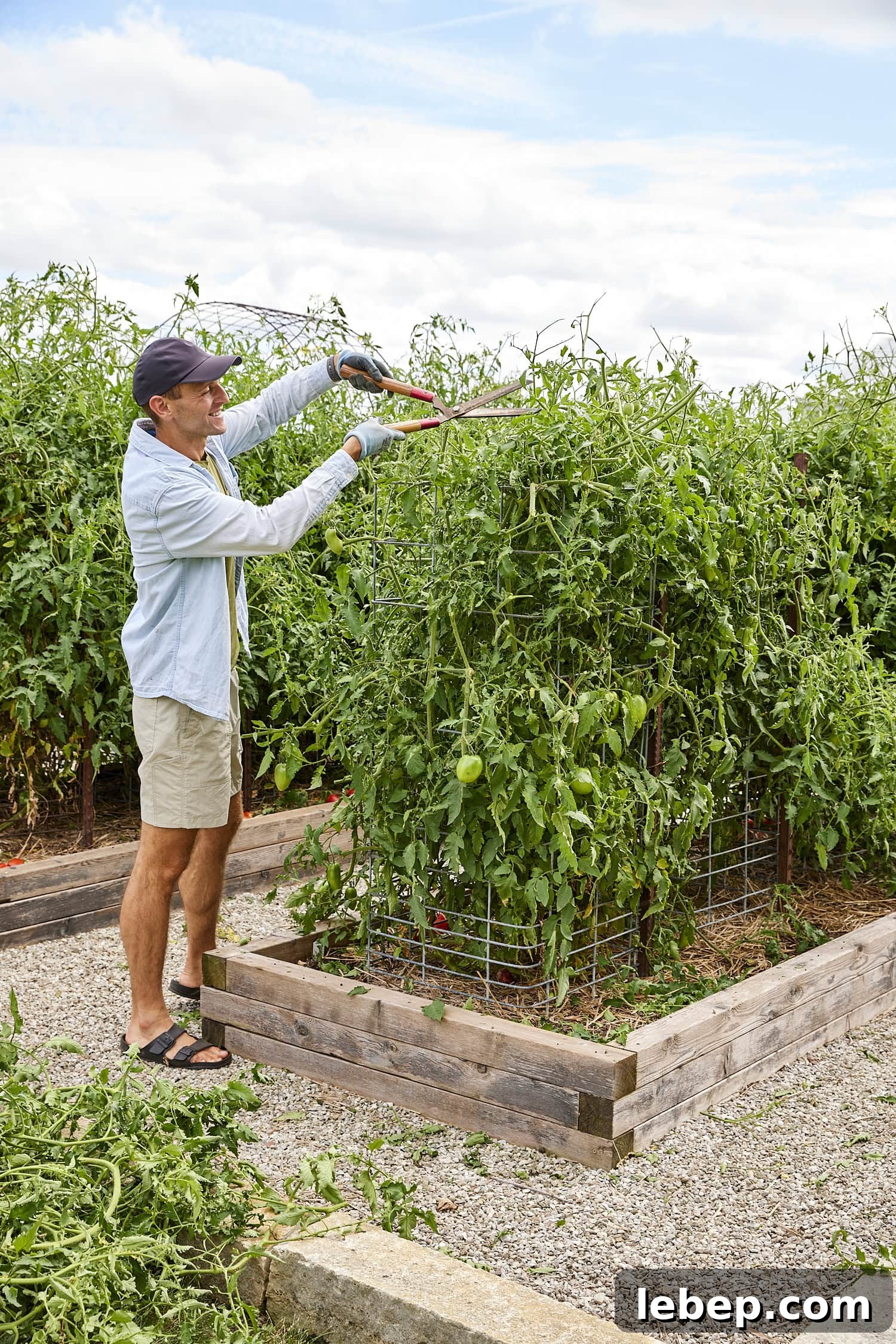
- Prune tomatoes by removing lower leaves and selected suckers to reduce disease risk and improve airflow.
- July harvests: green beans, zucchini, cucumbers, and onions (when tops dry and bend).
August
August is a steady month of harvesting, preserving, and maintaining soil moisture.
August checklist
- Water deeply and less often to encourage deep roots; check moisture a few inches down.
- Mulch to conserve moisture and protect soil from heat.
- Preserve tomatoes and peppers by canning, freezing, or pickling when harvests are abundant.
- Monitor cucumbers for pests and treat early if needed.
- Grow multiple beet colors for different culinary uses—roasting and pickling.
September
September begins the transition to fall but can still behave like late summer. Continue harvesting and start fall plantings.
September checklist
- Watch for tomato hornworms and check at night; they’re easier to spot with a flashlight.
- Hard-prune tomatoes a few weeks before frost to direct energy to ripening fruit.
- Plant fall greens early in the month—radishes, lettuce, spinach, arugula—and keep seedlings consistently moist.
- Harvest winter squash and pumpkins when color is fully developed and stems harden.
- Plant garlic in fall: choose top-quality bulbs, space cloves 4–6 inches apart, plant about 6 inches deep, and mulch later with leaves.
October
October shifts the garden from production toward rest. Harvest, cure, and protect plants for winter.
October checklist
- Expect first frost in mid- to late-October; harvest tender greens before frost. Kale often survives and continues producing.
- Sweet potatoes: dig after vines are killed by frost, cure indoors for about two weeks, and store out of sunlight.
- Winter squash: harvest before hard freeze and cure in a cool, dry area for about two weeks for storage.
- Clean beds: remove diseased annuals (especially tomatoes), leave perennial crowns like asparagus and rhubarb, and cover beds with mulch or shredded leaves for winter protection.
November
November is winding down and experimenting with season extension. Some attempts work; others don’t. Use it to learn for next year.
November checklist
- Try a late spinach crop and mulch with straw for occasional winter harvesting.
- Use plastic row covers through hard freezes and light snow to extend production.
- Plant small covered rows of greens when weather allows.
- Leave carrots and beets in the ground and mulch for winter access as needed.
December
December is quiet. It’s a good month for reflection, recording observations, and enjoying downtime.
December checklist
- Snow is welcome: it insulates perennials, protects roots, and provides slow-release moisture.
- Finish your garden journal: record seed-start dates, variety performance, planting dates, pest issues, and harvest timing so you can plan with confidence next spring.
Frequently Asked Questions
No. USDA zones describe winter cold based on average annual extreme minimum temperatures, not specific planting dates.
Use local climate data and frost tools to find your last and first frost dates. These dates guide planting timing more than hardiness zones do.
Start tomatoes about six weeks before your planned transplant date outside.
Transplant tomatoes after the danger of frost has passed and the soil has warmed.
Transplant peppers once nighttime lows are consistently above about 50°F.
Plant garlic in the fall, generally October to early November, or a week or two after the first hard frost.
More About Gardening
- What gardening zone am I in?
- Hardiness zone vs frost date
- How to start seeds
- How to plant seedlings in the garden
- How to make raised garden beds
- How to find your last frost date