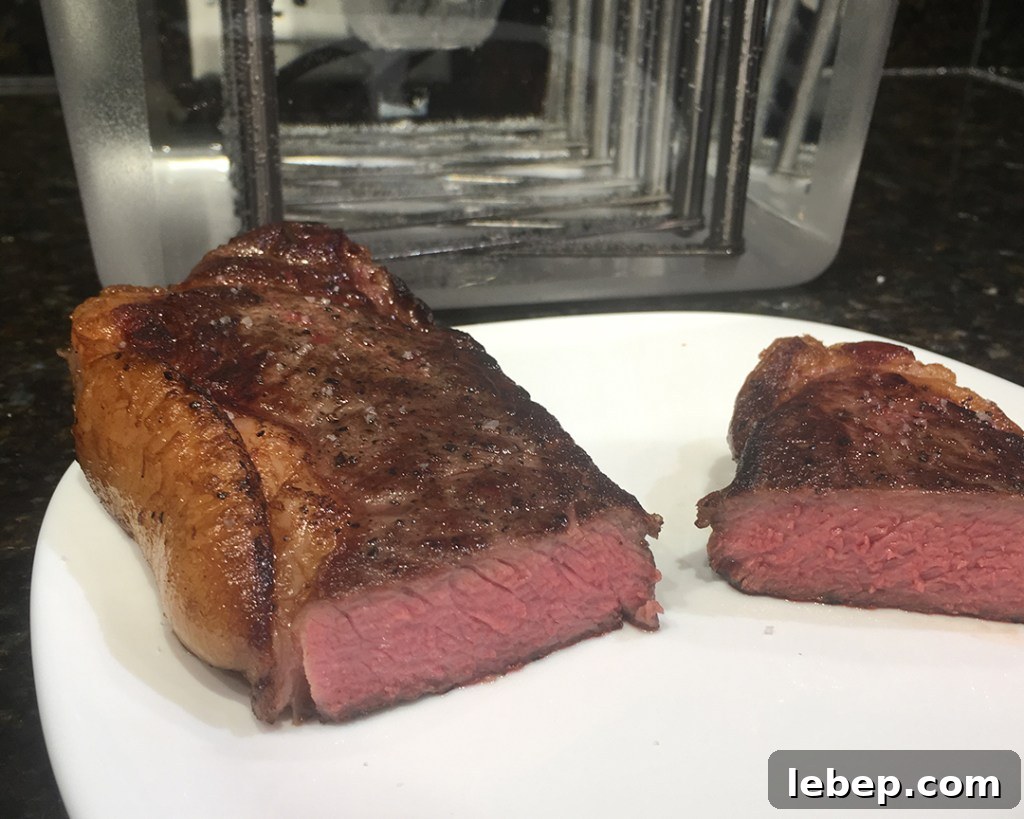
Sous vide and grilling use very different approaches—indirect, precisely controlled low-temperature water baths versus direct high heat over flame or coals—but both can produce excellent results for steak, chicken, fish, and vegetables. Understanding their differences helps you choose the best method for texture, flavor, and convenience.
Sous vide cooking
Take steak as an example. Muscle tissue is composed mainly of protein and water, and two key proteins—myosin and actin—determine texture. Sous vide cooks meat at a steady temperature that is high enough to gently denature these proteins (which yields a tender texture) but low enough to avoid forcing water out of the muscle fibers. This balance typically occurs around the lower 130s °F; at higher temperatures, water and juices start to escape from the meat.
Slow, extended cooking also breaks down collagen, the connective tissue that binds muscle fibers. As collagen converts to gelatin over time, the meat becomes more tender and succulent—one reason sous vide is prized for reliably consistent doneness and a tender bite.
However, sous vide alone won’t produce the classic browned exterior, smoky notes, or grill marks associated with high-heat cooking. Without a quick, high-temperature sear before or after the bath, the surface can look uniformly pink or slightly gray and lack the deep caramelized flavors that form with direct heat. A proper sear fixes the appearance and adds texture, but the surface flavor still differs from a steak that spent time on a grill.
Grilling
Cooking over an open flame—gas, charcoal, or wood—adds unique flavor. Much of this comes from the Maillard reaction, the chemical process where amino acids and reducing sugars on the meat’s surface react at high temperatures, producing browned color and rich, savory flavors. Smoke and char from burning fats and juices also contribute to the grill’s distinctive taste.
Grilling uses much higher and less uniform temperatures than sous vide. Grill grates and flames can generate intense surface heat, which is great for browning and rendering fat but can make it harder to control internal doneness. High heat can overcook the outer layers before the center reaches the desired temperature, especially on thicker cuts. That’s why letting grilled meat rest is important—resting helps redistribute juices that were driven toward the surface by heat.
The higher heat of grilling accelerates fat rendering and some collagen breakdown, giving a satisfying texture and flavorful crust. But the same high temperatures also increase moisture loss if the meat is overcooked, so attention and technique matter more on the grill.
Sous Vide vs Grilling
- Both methods can produce an excellent steak; they just emphasize different attributes.
- Sous vide yields remarkably consistent, edge-to-edge doneness and often results in a more tender interior.
- Grilled steaks present a browned crust, smoky flavor, and visual appeal from searing and grill marks.
- Sous vide requires more time overall but is largely hands-off during the cook; grilling is faster but needs more active monitoring.
- Sous vide needs a quick, high-heat sear (before or after the bath) to add a browned exterior and the flavors associated with the Maillard reaction.
- Grilling can produce deeper surface flavors naturally through charring and smoke, but it’s easier to overcook without experience or careful heat management.
Preferences between the two often come down to what you prioritize: uniform doneness and tender texture, or bold char and smoky flavor. Many cooks combine the approaches—cook sous vide for precise internal doneness, then finish on a hot grill or in a hot pan for crust and aroma. That hybrid method captures the strengths of both techniques.
Contributor:
This article was written by Stephanie Searor, MS RD LDN.
References
- Science summaries on the principles behind sous vide cooking and protein denaturation.
- Discussions of grilling chemistry and the Maillard reaction.
- Comparisons of sous vide and grilled preparations in informal taste tests and cooking writeups.