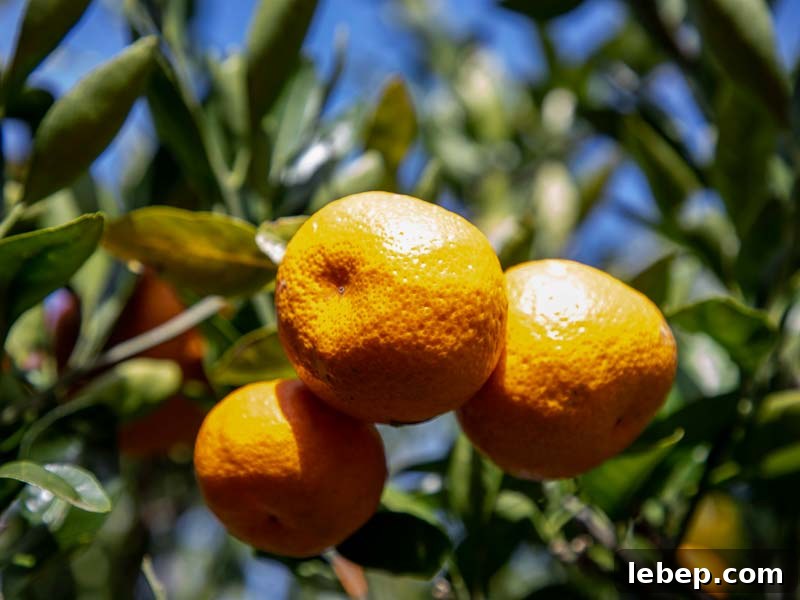
My grandpa asks, “Want to pick some satsumas?” as he sips his strong, smoky coffee. I smile and nod, pouring my own chicory coffee before we head outside. On a crisp November morning, sunlight filters through the tops of tall pines, and the satsuma tree in the corner of my grandparents’ backyard in Lake Charles, Louisiana, glows with small pockets of orange among glossy green leaves. Steam curls from my cup as we cross the flat lawn. My grandfather’s breath fogs the air while he reminds me we need to harvest as many satsumas as possible before possums and armadillos find them. I can’t blame the animals for wanting them.
The tree’s canopy spreads nearly 25 feet, with a dozen two-by-fours propping heavy limbs to keep them from touching the ground. It’s the grandest satsuma tree I’ve ever seen. An old wooden ladder rests beside it; I set my coffee on the middle rung, lean back, and pick a perfect satsuma. I pierce the thin, leathery skin with my thumbnail and release a floral, sweet perfume. My mouth waters immediately.
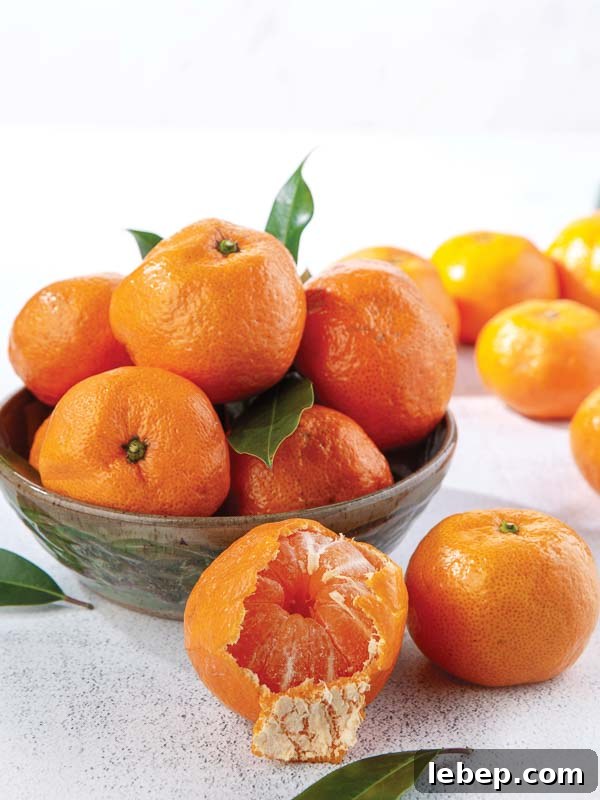
After peeling, I split the fruit and carefully remove the thin membranes to expose the plump segments. I pause when I find the tiny “kiss,” a sliver of satsuma tucked between two segments—traditionally saved for someone you love—and set it aside for my little one. Each cold segment yields easily to my teeth, releasing bright, sweet juice that still tastes of the tree. I finish my coffee, twist several satsumas free, and place them gently into plastic bags to bring inside and share with the family. There are many beautiful moments in this season, but few match the simple pleasure of a freshly picked satsuma—and that gratitude traces back to a woman named Anna.
Anna Schoyer, wife of U.S. Ambassador Robert Bruce Van Valkenburgh, discovered the fruit known as unshu mikan while on a cultural mission to Kyushu Island, Japan. The fruit took the name satsuma from the former Satsuma Province where she first enjoyed it. In 1878 she arranged for 75 Owari Satsuma trees to be shipped from Kyushu and planted behind her home on an 18-acre estate near Jacksonville, Florida. The fruit’s sweet flavor and easy-to-peel skin quickly increased its popularity.
By the early 1900s, about a million Owari Satsuma trees had been imported from Japan and planted across the Gulf Coast—from northern Florida to Texas—establishing satsumas as a major commercial citrus crop in the South.
Severe winter weather in the late 1890s devastated many groves and revealed the limits of satsuma’s cold hardiness. Although the industry suffered more setbacks from freezes in the early 1900s, growers adapted by selecting more cold-tolerant varieties and diversifying practices to reduce weather-related risks. Today, satsuma trees still face hurricanes, floods, and freezes, but they endure, reflecting the resilience of the people who grow them.
True seasonal ingredients are rare, and when satsumas arrive each year I can’t help but celebrate. When choosing satsumas, look for firm fruit without soft spots or blemishes and a delicate, sweet citrus aroma that signals freshness.
 Although satsumas are beautiful at room temperature, they stay fresher longer in the refrigerator. Store them somewhere with good airflow and keep them dry—moisture shortens shelf life. In the fridge they can last about a week or even longer, giving you time to enjoy their flavor.
These bright fruits can lift holiday favorites such as gingerbread, panettone, buttery brioche, and ginger molasses cookies. Marmalade and candied satsuma peel are excellent ways to capture and preserve their delicate, complex flavor.
Satsuma season is short—late fall to early winter—so I often freeze zest, segments, and juice to extend their presence in my kitchen. Thoroughly wash peels and use a rasp-style grater to collect zest; spread it in a single layer on a sheet, then freeze in a heavy-duty zipper bag with the air removed. Frozen zest can be used directly from the freezer in recipes.
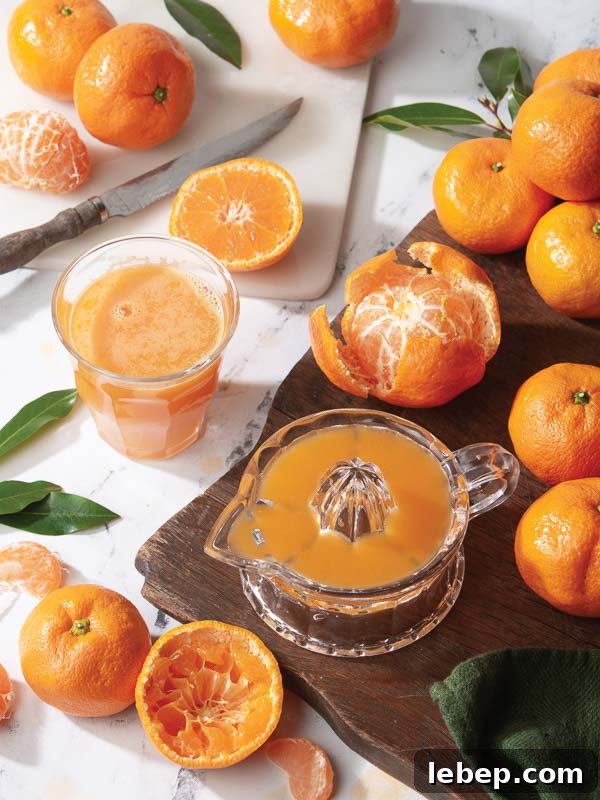
After zesting, you can juice the satsumas and freeze the juice in ice cube trays for cooking or cocktails, or peel and separate the segments for freezing. Arrange segments on a parchment-lined rimmed baking sheet and freeze for about two hours until firm, then transfer to a zipper bag so they don’t clump. Frosted segments make a convenient, healthy snack. Properly stored, frozen zest, segments, and juice will keep up to six months.
Follow these steps and satsuma season will last well past its brief window, leaving a taste of citrus sunshine available whenever you want it. Those cold mornings with the generous tree and the hot chicory coffee remain vivid in my memory, and freezing satsumas helps me recreate that feeling whenever I like.
Mandarins, tangerines, clementines, and satsumas—what’s the difference?
Though these fruits look similar, each has distinct traits. Mandarins are a group of small, sweet oranges that include tangerines, clementines, and satsumas. They tend to be flatter than common oranges and have thin, loose skin that peels easily. Tangerines are a type of mandarin with bright orange color and slightly tougher skin and a tangier flavor. Clementines are generally the smallest, prized for their sweetness, seedless nature, and smooth, shiny skins; they’re easier to peel than tangerines but not as effortless as satsumas. Satsumas, originating in Japan, are lighter orange, incredibly sweet, juicy, and usually seedless—renowned for being the easiest mandarin to peel.
 A Family Affair
 A Family Affair
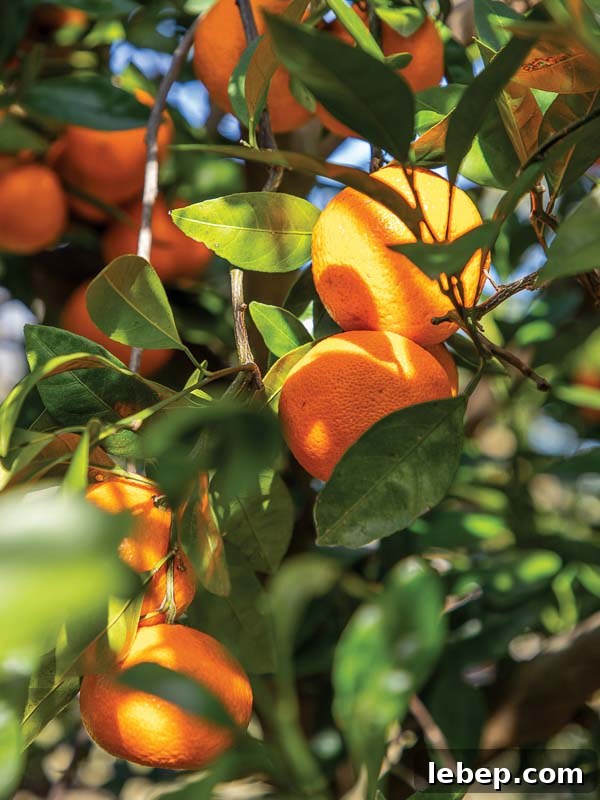
The satsumas featured in these photos and in our November/December issue were provided by Southern Orchards in Mobile, Alabama. More than a decade ago, Chad Thornburg planted the first satsuma tree on his grandparents’ property in west Mobile. Today Chad and his wife Jenny manage an orchard of nearly 400 trees. During satsuma season—from early November through the weekend before Christmas—they welcome visitors to pick their own fruit. Even if you can’t visit, you can order freshly picked satsumas for delivery.
Southern Orchards’ work is rooted in family experience. Chad’s background in produce and Jenny’s family’s farming knowledge combined to create an orchard built on love, commitment, and practical know-how. To protect their trees from hard freezes, they use micro-sprinkler irrigation to form a protective layer of ice over the branches, helping insulate the trees when temperatures dip below freezing. They monitor the system closely when cold weather threatens.
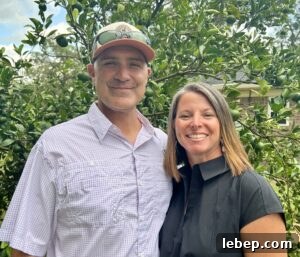
For Chad, the greatest reward is simply working in the orchard. “Watching the trees grow, bloom, and bear fruit is incredibly fulfilling,” he says. He also notes that satsumas can be ripe even if they’re not fully orange—yellow or light-orange fruit can still be sweet and ready to eat. As the season progresses, the fruit softens and becomes easier to peel, which signals peak ripeness.
“Starting Southern Orchards was a leap of faith,” Chad adds, “but sharing our satsumas with the community has been incredibly rewarding. We love seeing interest from locals and families connected to the area. It’s a joy to keep offering the sweet, sunny taste of our Southern-grown satsumas.”