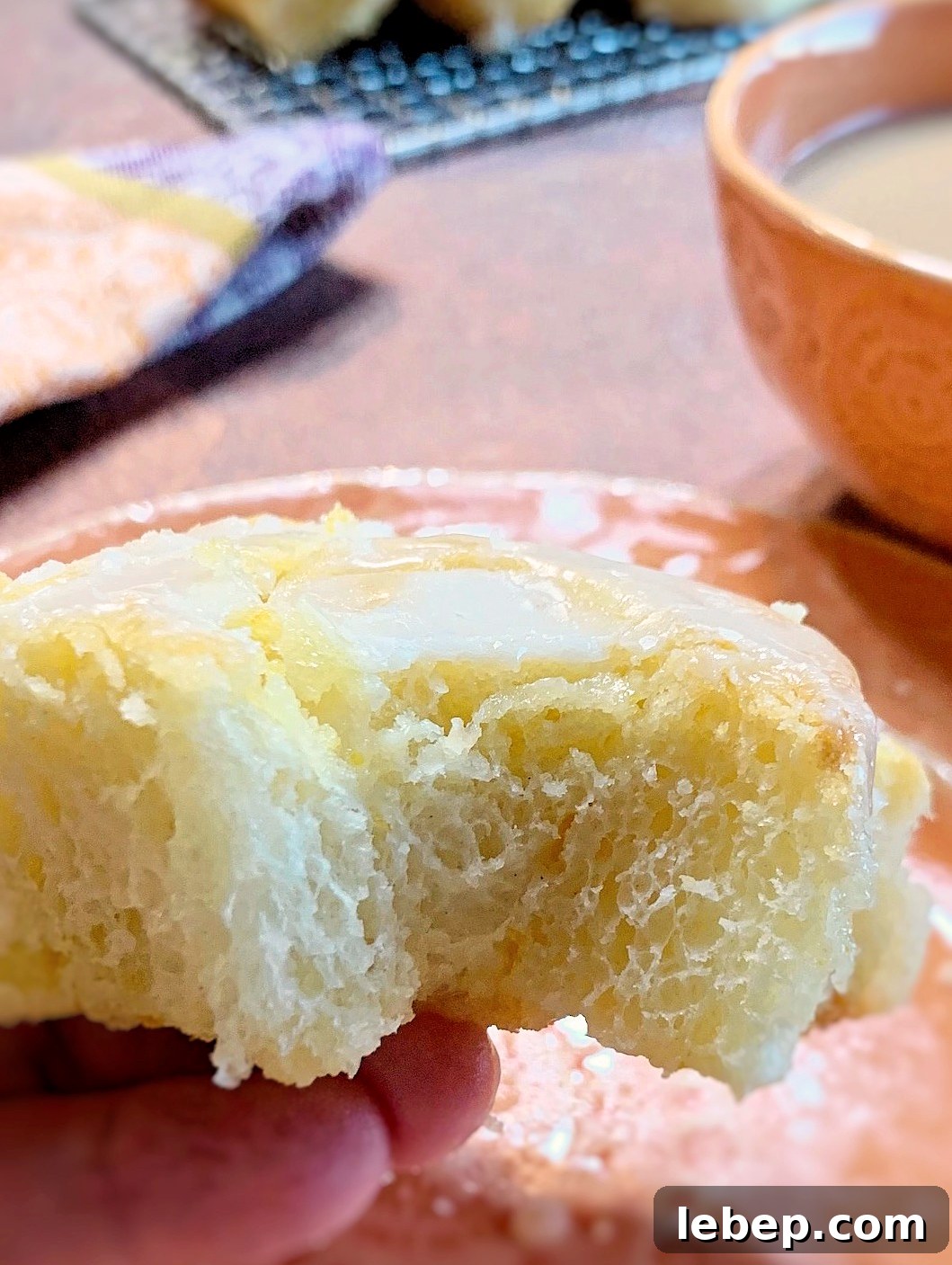
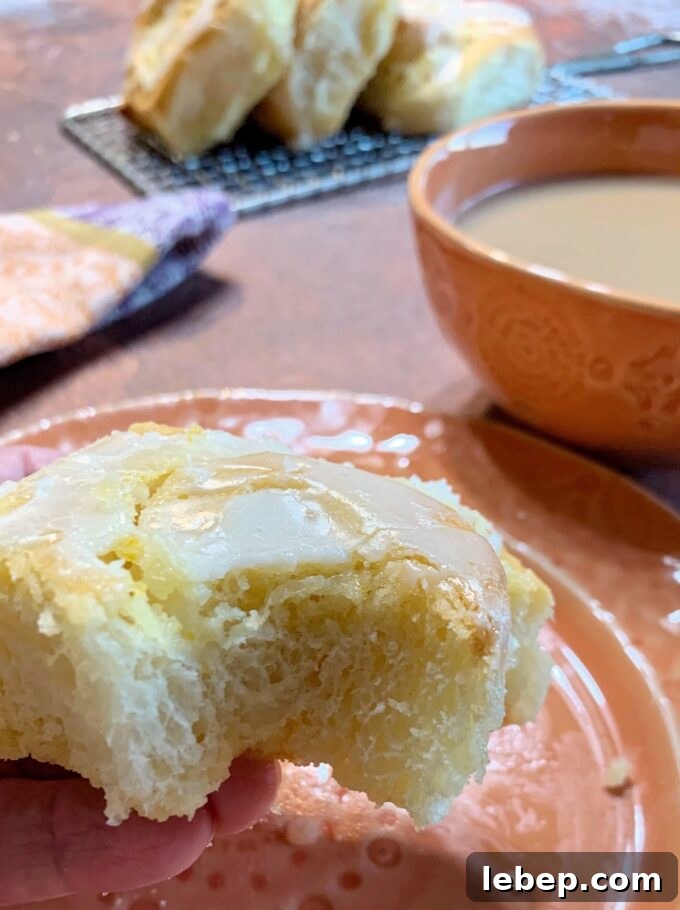
You won’t find a more delightful sweet roll than these Overnight Orange Rolls. Soft, fluffy, and bright with orange flavor, they’re finished with a silky orange glaze and make a perfect weekend breakfast treat.
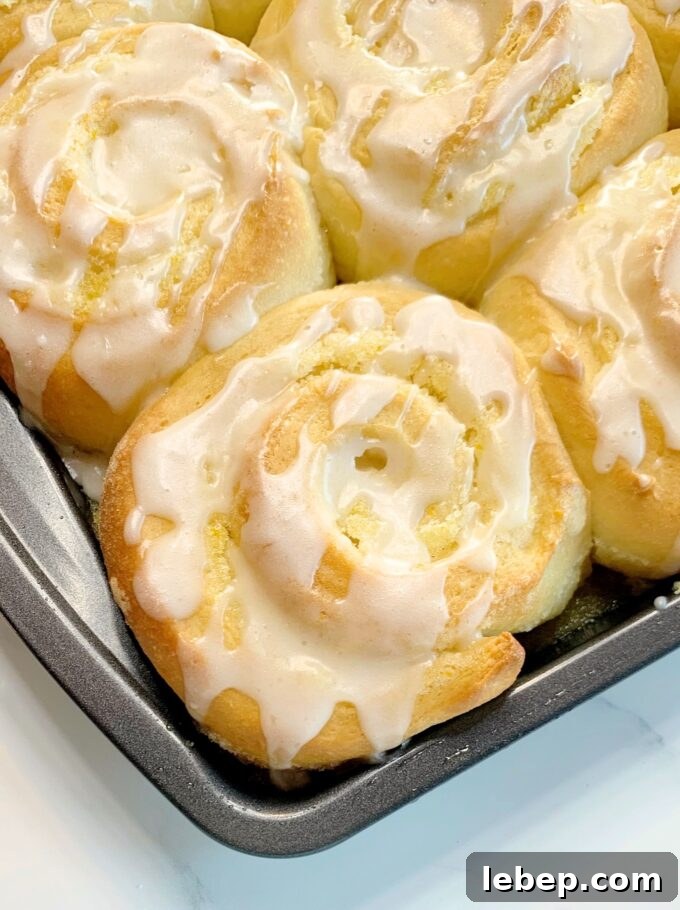
I’ve wanted to create an orange version of my classic cinnamon rolls for a long time, and these did not disappoint. They’re now among my favorite sweet rolls—tender, fragrant, and utterly irresistible.
If you’re new to yeast baking and feel intimidated, relax. I’ll walk you through each step. It’s easier than it seems, and these Overnight Orange Rolls are a great recipe for building confidence with yeast doughs.
Proofing the yeast
Proofing checks that your yeast is active. Be sure your yeast isn’t expired. Proofing is required for active dry yeast but not necessary for instant or rapid-rise yeast.
How to proof: Add one packet of active dry yeast to 1 cup warm milk (about 110–115°F / 43–46°C). Don’t make the milk hotter or you’ll kill the yeast. Stir gently so all the granules are wet, then set aside 5 minutes. If the yeast is good the surface will become foamy or bubbly. If nothing happens, the yeast is likely dead and should be replaced.
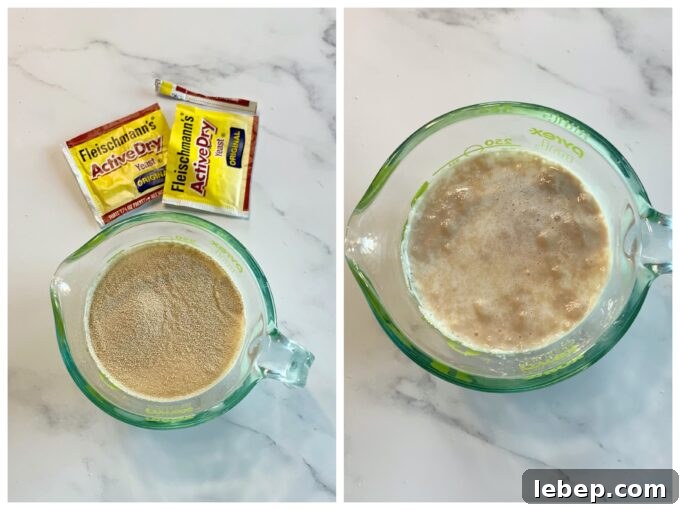
Optional: Adding a pinch of sugar to the milk and yeast helps activate it faster since yeast feeds on sugar.
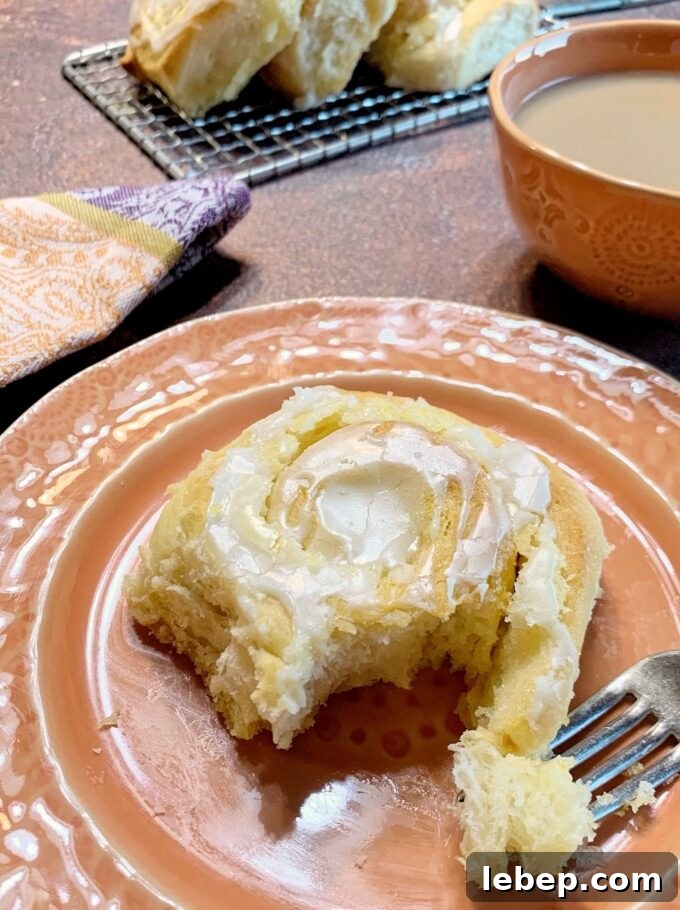
Mixing the dough
Once the yeast is proofed you’re ready to make the dough. I use a stand mixer—start with the paddle attachment then switch to the dough hook—but you can mix entirely with a paddle, or by hand if you prefer.
- Add 1/3 cup granulated sugar, 1/2 cup (1 stick) melted unsalted butter (cooled), and 1 teaspoon salt to the mixer bowl fitted with the paddle attachment. Mix on medium to combine.
- Add the milk/yeast mixture and mix on medium-low just to combine. Add 1 large room-temperature egg and mix until incorporated.
- Switch to the dough hook if you have one. On low speed add 3 1/2 cups of all-purpose flour. Mix on medium-low until the flour is moistened, then increase to medium until the dough begins to pull away from the sides but still sticks to the bottom. It should be elastic and not overly sticky. If it’s sticky, add the remaining 1/4 cup flour and mix another minute. The dough should pull away from the bowl sides, stick to the bottom, and not cling to your fingers when pinched.
- Turn the dough onto a lightly floured surface and knead gently about 1 minute to form a smooth ball.
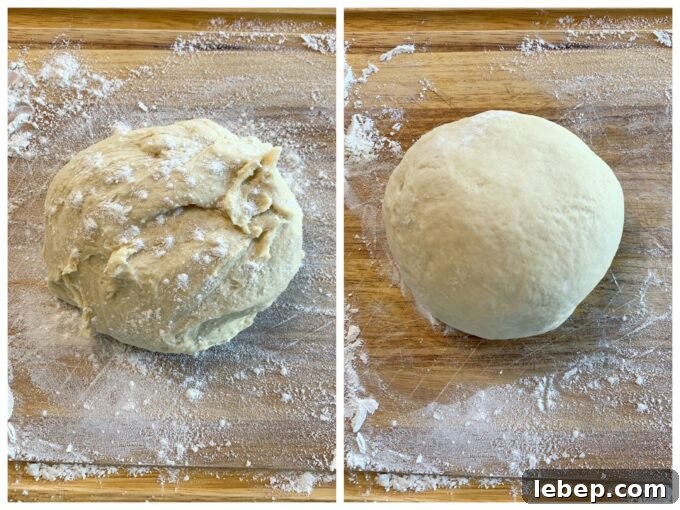
The first rise
This dough can either be shaped and refrigerated for baking the next day, or allowed to rise twice and baked the same day. For the overnight method, you’ll let it rise once, refrigerate, then finish the second rise the next morning.
- Preheat the oven to 160°F (about 70°C) and then turn it off—this creates a warm environment for rising.
- Place the dough in a well-greased bowl, turn to coat the top with oil, and cover with a damp towel.
- Put the bowl on a warmed oven rack (not hot) and leave the oven door slightly ajar. Let the dough double in size, about 1 hour. To test readiness, press a finger about 1/2 inch into the dough—if the indentation remains, it’s ready; if it springs back, let it rise a little longer.
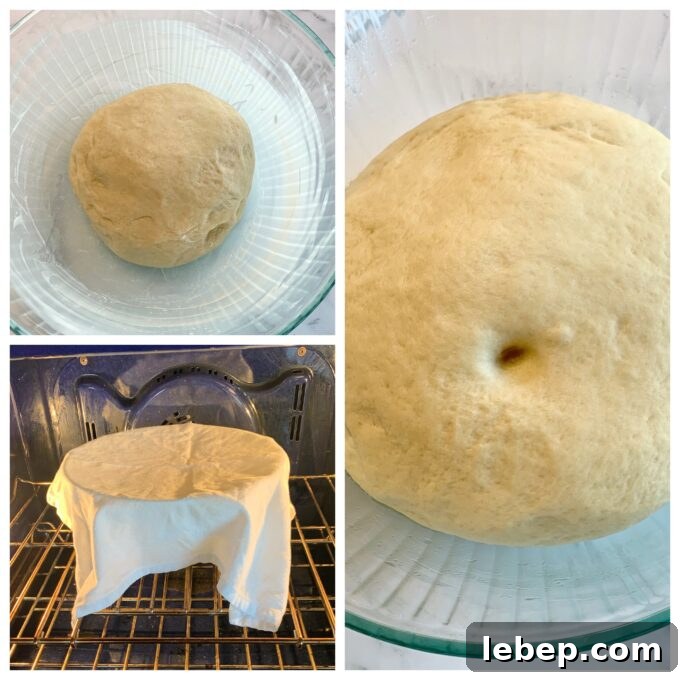
Filling, rolling, and cutting the rolls
These steps are simple and rewarding. Once you’ve formed these orange rolls you’ll likely want to try other filled rolls too.
- Lightly punch down the dough and roll it out on a floured surface into a long rectangle. Spread the filling (1 stick softened butter, 1 cup granulated sugar, and 2 tablespoons fresh orange zest) over the dough, leaving a 1/2-inch border.
- Starting along a long side, roll the dough tightly into a log. Pinch the seam closed along the edge, then set the log seam-side down.
- Cut the log into 12 equal pieces using a sharp knife or unwaxed dental floss. I trim and discard the two ends, then slice the remaining log. Arrange the rolls cut-side down on a greased 10 x 15-inch cookie sheet.
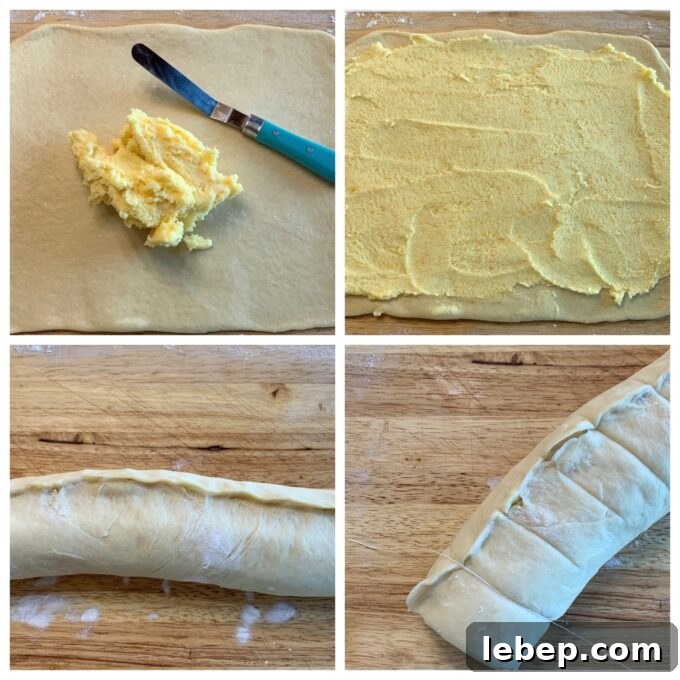
The second rise
You can refrigerate the pan overnight and bake the next day, or complete the second rise and bake today. Both options work well.
Refrigerate overnight, then finish and bake next day
- Cover the pan with plastic wrap and refrigerate. The next morning remove the plastic, cover the rolls with a towel, and let them rise 1 hour while you preheat the oven to 375°F (190°C).
- Bake about 25 minutes until the tops are golden brown. Remove from oven and let cool slightly while you make the glaze.
Finish the second rise and bake today
- Cover the pan with a damp towel and place in the warm (turned-off) oven for 30 minutes. Then move the pan to the counter, keep covered, and preheat the oven to 375°F. Let the rolls rest another 15 minutes (45 minutes total).
- Bake about 25 minutes until golden, then remove and allow to cool slightly before glazing.
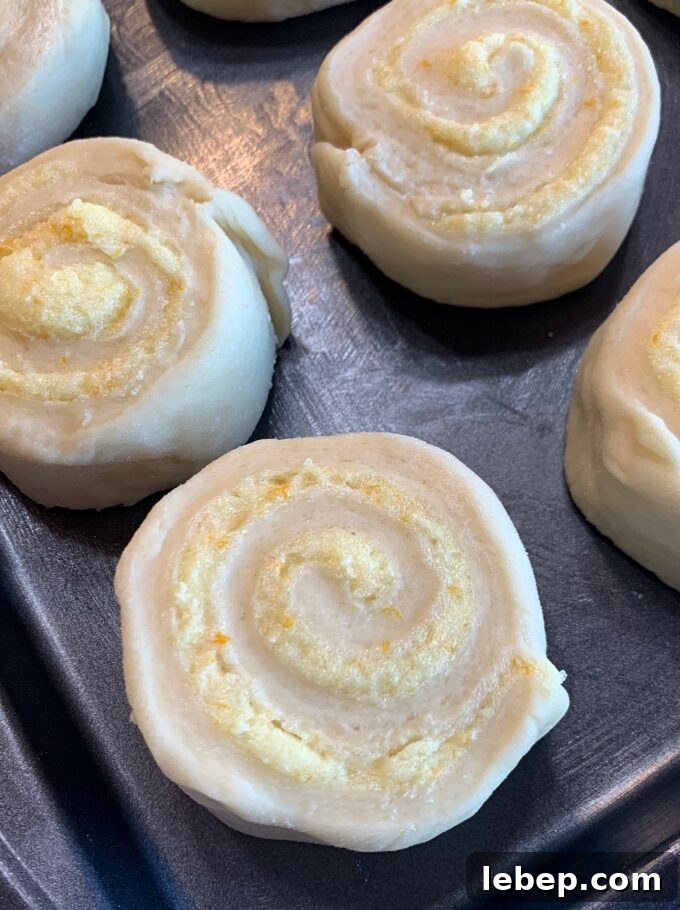
There are a few steps, but none are difficult. With practice these rolls come together quickly and the results are worth it—warm, orange-scented rolls that everyone will love.
Picture the smiles when you place a pan of these fresh rolls on the table—finger-licking good!
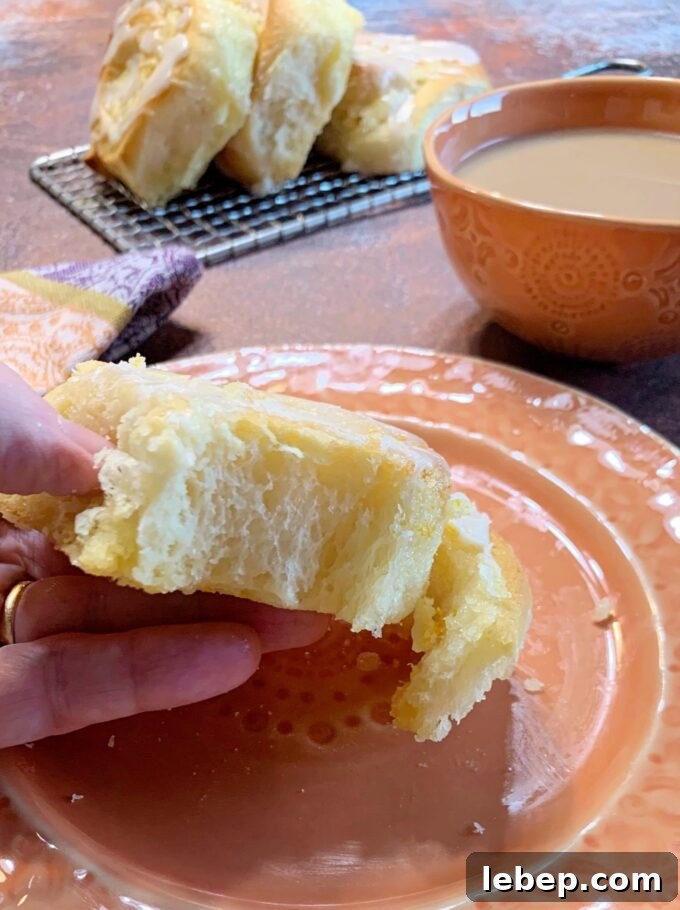
If you make this recipe please rate it and leave a comment describing how you liked it. I always appreciate feedback.
Overnight Orange Rolls
- Author: Cindy @mycountrytable
- Prep Time: 2 hours
- Cook Time: 25 minutes
- Total Time: 2 hours 25 minutes
- Yield: 12 rolls
- Category: bread, breakfast
- Method: bake
- Cuisine: American
Description
These Overnight Orange Rolls are light, fluffy, and filled with bright orange flavor, finished with a smooth orange glaze—an ideal weekend breakfast.
Ingredients
Dough:
- 1 cup warm milk (around 110–115°F)
- 1 packet active dry yeast
- 1/3 cup granulated sugar
- 1/2 cup (1 stick) unsalted butter, melted (not hot)
- 1 teaspoon salt
- 1 large egg, room temperature
- 3 1/2 to 3 3/4 cups all-purpose flour, spooned and leveled
- Vegetable oil or solid shortening for greasing the bowl
- Butter or solid shortening for greasing the baking pan
Filling:
- 1 stick unsalted butter, softened to room temperature
- 1 cup granulated sugar
- 2 tablespoons fresh orange zest
Orange Glaze:
- 1 cup powdered sugar
- 1 tablespoon butter
- 1/4 teaspoon pure orange extract* (see notes)
- about 5 teaspoons milk, more or less to reach desired consistency
Instructions
Dough:
- Proof the yeast: Add yeast to warm milk and stir so all granules are wet. Set aside 5 minutes until foamy.
- Preheat the oven to 165°F and turn it off to create a warm rising environment.
- Mix the dough: Combine sugar, melted butter, and salt in the mixer with the paddle. Add the milk/yeast mixture and the egg. Switch to the dough hook and add 3 1/2 cups flour on low, then mix until the dough pulls away from the bowl sides but still sticks to the bottom. If sticky, add up to 1/4 cup more flour. Turn onto a floured surface and knead briefly to form a smooth ball.
- First rise: Place dough in a greased bowl, turn to coat, and cover with a damp towel. Put in the warm oven with the door ajar until doubled, about 1 hour. Use the poke test—if the indentation remains, it’s ready.
- Prepare the filling: Mix softened butter, sugar, and fresh orange zest in a small bowl.
- Form the rolls: Roll the dough into a long rectangle, spread the filling leaving a 1/2-inch border, then roll tightly from a long side. Pinch the seam closed, set seam-side down, and cut into 12 pieces. Arrange cut-side down on a greased 10 x 15-inch cookie sheet.
- Option 1 – Overnight: Cover with plastic wrap and refrigerate. The next morning remove the wrap, cover with a towel, and let rise 1 hour while preheating the oven to 375°F.
- Option 2 – Same day: Cover with a damp towel and place in the warm oven for 30 minutes, then move to the counter and let rise another 15 minutes while preheating the oven to 375°F (45 minutes total).
- Bake: Bake about 25 minutes until the tops are golden brown. Remove and let cool slightly before glazing.
- Make the glaze: Whisk powdered sugar, butter, orange extract, and milk until smooth. Drizzle over warm rolls.
- These rolls are best the day they’re made. Reheat briefly in the microwave if needed the next day.
- Store covered.
Notes
- If using imitation orange extract, use about 1/2 teaspoon. Pure orange extract or orange oil is much more potent—use 1/4 teaspoon. If substituting orange juice for extract, expect to use more and adjust powdered sugar to maintain glaze thickness.