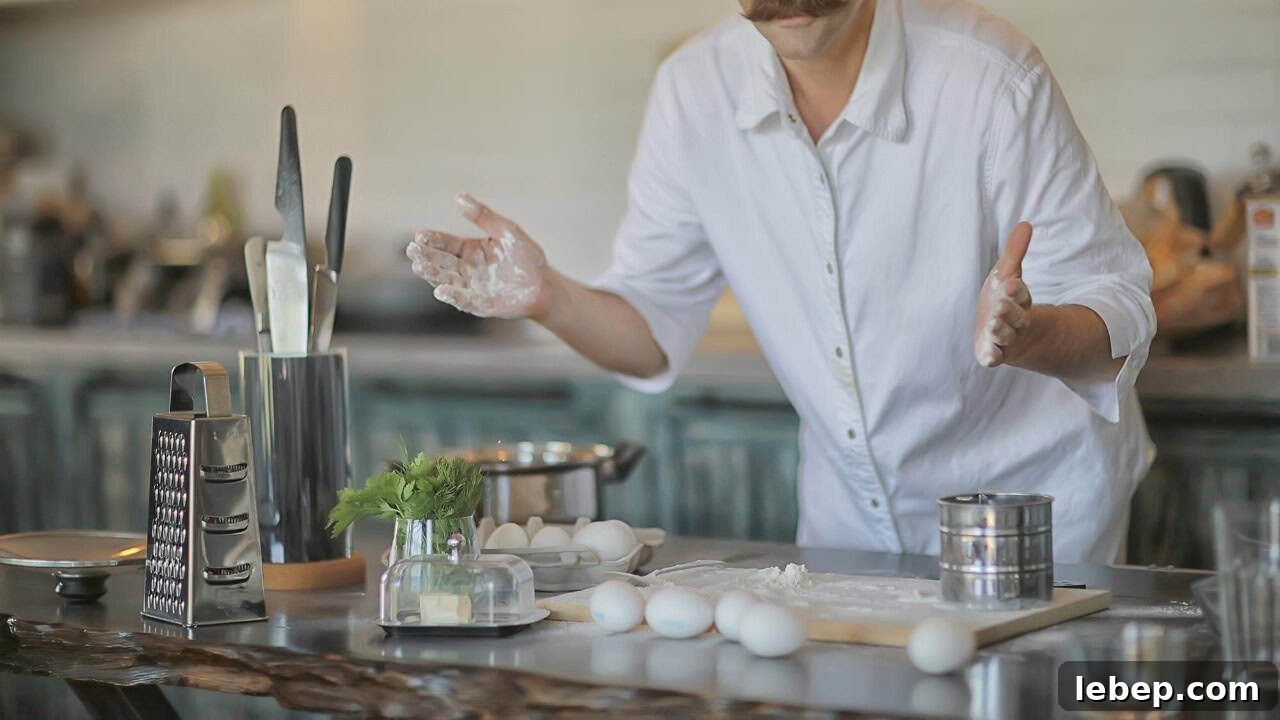
Mise en place, a French culinary term meaning “everything in its place,” is an essential practice in professional kitchens and a powerful tool for home cooks. This method improves efficiency, organization, and the overall quality of the final dish. Practical advice from restaurant professionals highlights how a well-executed mise en place can streamline cooking, reduce stress, and produce consistent results.
Table of Contents
Toggle
The Importance of Mise en Place
One of the clearest benefits of mise en place is the time saved during cooking. When ingredients are measured, chopped, and organized beforehand, the actual cooking goes faster and more smoothly. In restaurant kitchens, where timing and consistency are critical, having everything ready allows chefs to concentrate on technique, plating, and timing rather than searching for items or rushing preparation. Home cooks who prepare ingredients in advance avoid last-minute stress and can enjoy a calmer, more enjoyable cooking process.
Consistency and quality improve when mise en place is practiced regularly. Prepping ingredients to the same size and measuring components accurately help dishes finish with consistent texture, flavor, and presentation. This repeatability is part of why restaurant dishes often taste reliably good; the same attention to preparation at home will yield more predictable and pleasing results.
Mise en place also reduces stress. An organized workstation minimizes the mental load of multitasking, allowing cooks to focus on one step at a time. In professional settings, this helps teams stay calm during service; at home, it makes cooking less chaotic and more rewarding.
Key Elements of an Effective Mise en Place
Organized workstations form the backbone of a successful mise en place. Professionals arrange tools and ingredients so they are easy to reach, establishing a logical flow from prep to cooking to plating. For home cooks, designating separate zones for chopping, cooking, and plating helps maintain order and speeds up transitions between tasks.
Ingredient preparation is another pillar. Accurate chopping, portioning, and measuring ensure that ingredients cook evenly and combine as intended. Improving knife skills and using reliable measuring tools will raise the overall quality of your dishes and reduce variability from one cook to the next.
Choosing the right tools in advance prevents delays. A compact set of versatile, high-quality tools will serve most needs and keeps the prep process efficient. For home kitchens, investing in a few dependable items—sharp knives, a sturdy cutting board, measuring spoons and cups, and a reliable pan—goes a long way toward simplifying mise en place.
Professional Techniques for Mise en Place
Labeling and smart storage keep ingredients fresh and easy to find. Using clear containers, dated labels, and a simple rotation system prevents spoilage and ensures ingredients are used in the proper order. These small habits reduce waste and speed up prep.
Batch cooking and pre-cooking are practical strategies from restaurant kitchens that translate well to home life. Preparing staples like sauces, grains, or roasted vegetables in advance gives you ready components to assemble meals quickly during busy evenings. Portioning and freezing or refrigerating prepped items can turn a long cooking task into a quick finishing step.
Food safety is a fundamental consideration. Professionals avoid cross-contamination by separating raw and ready-to-eat items, using color-coded boards, and maintaining strict sanitation. At home, keep raw meats apart from produce, sanitize surfaces between tasks, and use separate utensils for different food types to reduce the risk of foodborne illness.
Adapting Mise en Place for Home Cooks
Home cooks can adopt mise en place without feeling overwhelmed by simplifying the process. Focus on the essentials: clear the workspace, read the recipe fully before starting, and prep the ingredients you’ll need in the order they are used. Breaking the workflow into small, repeatable steps makes professional practices accessible at any skill level.
Optimize limited space by using vertical and multipurpose storage. Wall racks, magnetic knife strips, and drawer organizers free counter space and keep frequently used items within reach. Small changes to kitchen layout can make prep faster and reduce clutter.
Technology can assist, but it’s optional. Digital tools—recipe managers, shopping-list apps, and timers—help plan and track ingredients. Simple gadgets like digital scales and timers improve accuracy and make mise en place easier to maintain.
Learning from Restaurant Pros
Chefs often stress the importance of preparation and organization. Their insights show that keeping a focused, orderly workspace enables better results under pressure. Emulating these habits—like reading recipes thoroughly, preparing components in advance, and maintaining clean stations—will improve both efficiency and confidence in the kitchen.
Avoid common mistakes such as skipping recipe review or failing to organize tools and ingredients. These oversights often lead to wasted time and preventable errors. Instead, invest a little time at the start to set up for success.
Finally, treat mise en place as a skill to refine. Continuous improvement—experimenting with new techniques, learning from mistakes, and adapting systems to your kitchen and lifestyle—will yield steady gains. Whether you cook once a week or daily, adopting mise en place principles will make meals easier, more consistent, and more enjoyable.