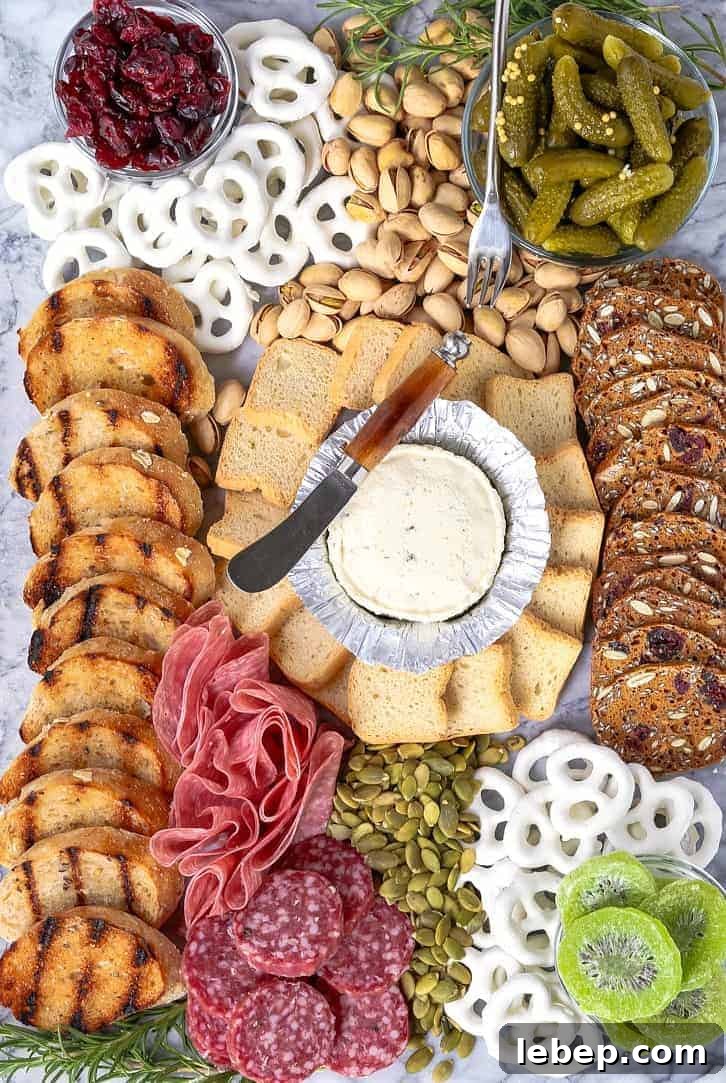
I’m going to show you How To Make A Cheese Board for your next happy hour or party. With a few simple tricks you can create a cheese board that looks beautiful and tastes even better.
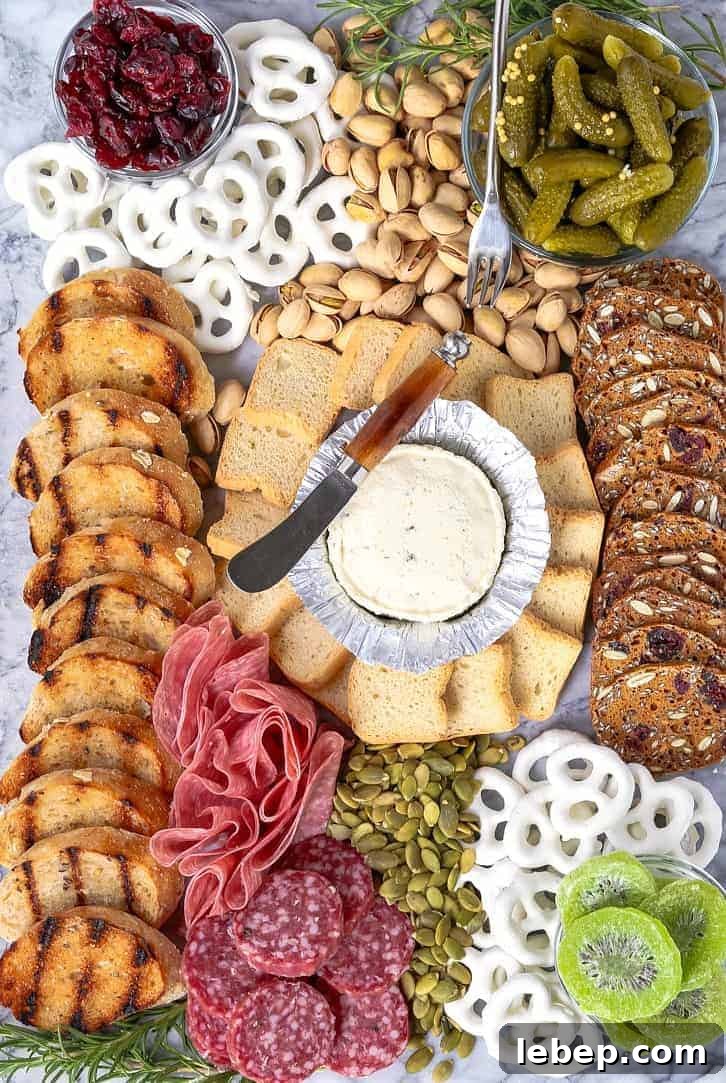
The Appetizer That Always Steals The Show
You’ve got bite-sized appetizers, refreshing cocktails and a few good friends. If you’re hosting in a rural area or just prefer casual gatherings, a cheese board is a perfect centerpiece: it’s easy, social, and satisfying.
Sometimes guests bring a dish and the evening turns into dinner, but more often we graze from a cheese or charcuterie board all night. It’s a relaxed way to offer lots of flavors without fuss.
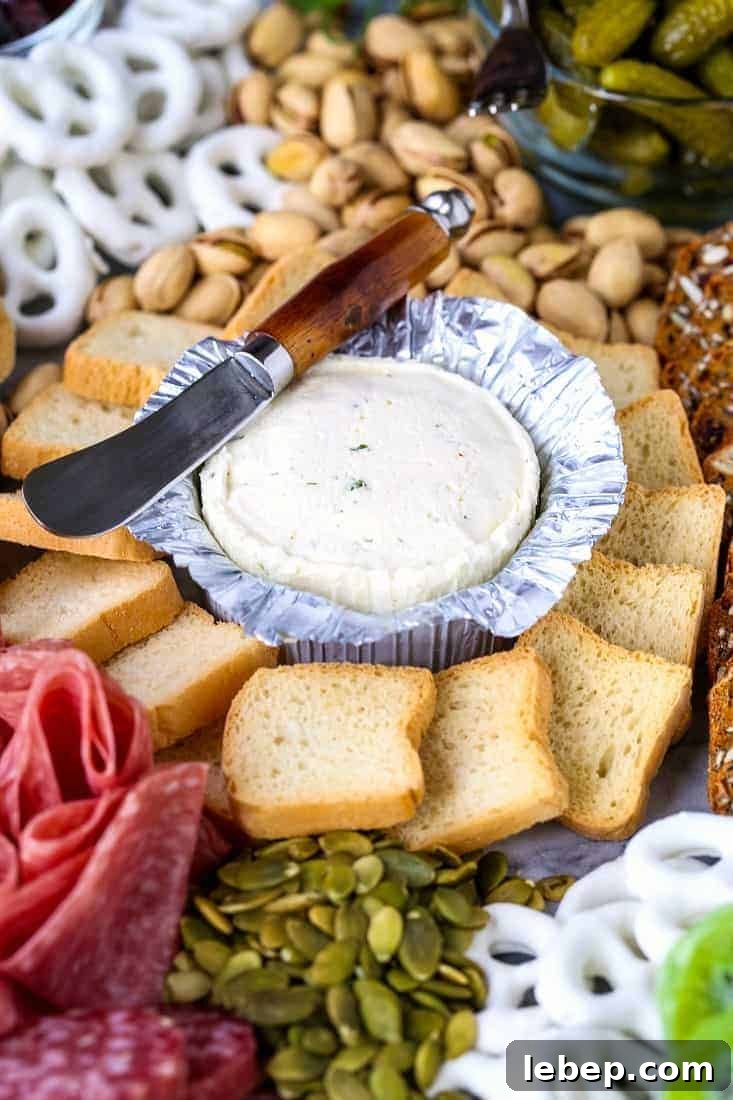
Snacking from a well-composed board lets everyone sample many delicious combinations instead of being limited to a single plate. One of my favorite choices for a cheese board centerpiece is Boursin® Garlic and Fine Herbs because its creamy, herb-forward profile pairs well with a wide range of accompaniments.
When people ask me how to make a cheese board or a charcuterie board, I give the same basic advice: start with a centerpiece you want to highlight—here, Boursin® Garlic and Fine Herbs—and build around it with meats, crackers, and a few sweet or pickled items. A cheese platter doesn’t have to be only cheese; treat it like a party on a board.
What Is A Charcuterie Board?
Charcuterie refers to cured meats—salami, ham, sausages and similar items—often served with a variety of cheeses, crackers, and small bites. From there you can add pickles, olives, jams, nuts, fresh fruit or chocolate—whatever you enjoy. There aren’t hard rules, but a few practical tips make assembly easier and the result more enjoyable.
Start by prepping ingredients on a cutting board: slice meats and firm cheeses, portion spreads and place anything juicy in small bowls. This keeps the board tidy and prevents flavors from bleeding into one another.
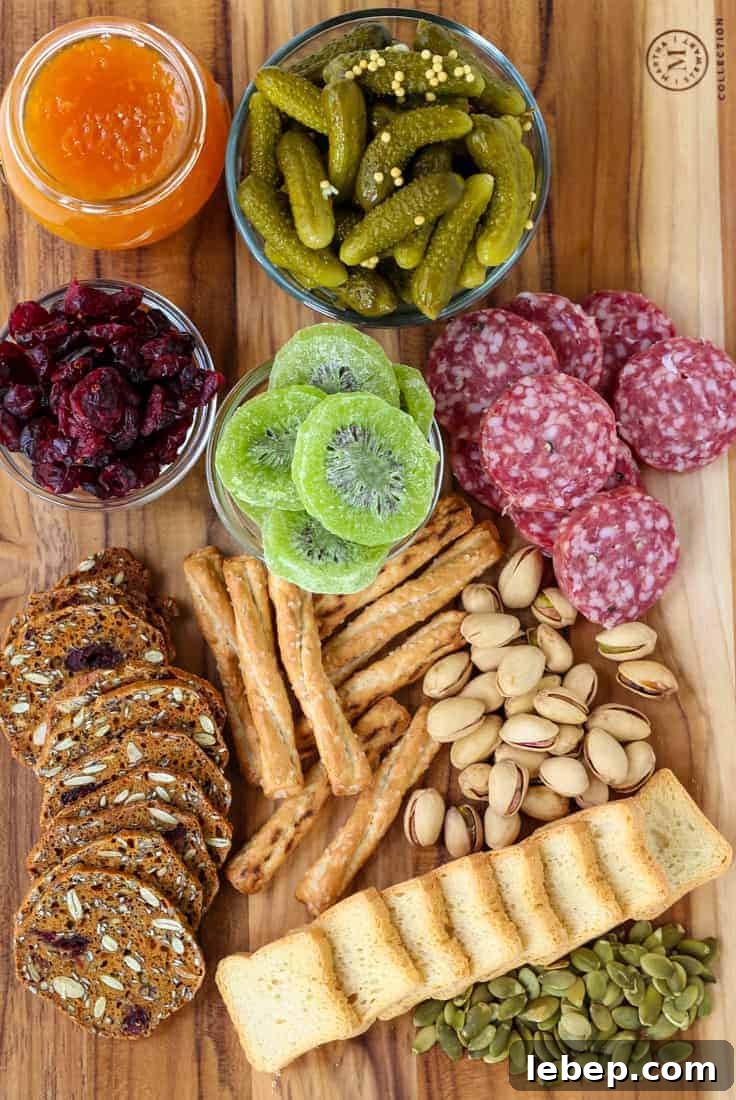
Choose a serving surface—wood, marble, or slate all work well—and place your featured cheese in the center or slightly off-center. From there, spread meats, crackers, nuts and small bowls of condiments around it. I like to protect delicate items from strong flavors: keep pickles in bowls, use small dishes for anything with juice, or create visual barriers so sweet and savory items don’t mix unintentionally.
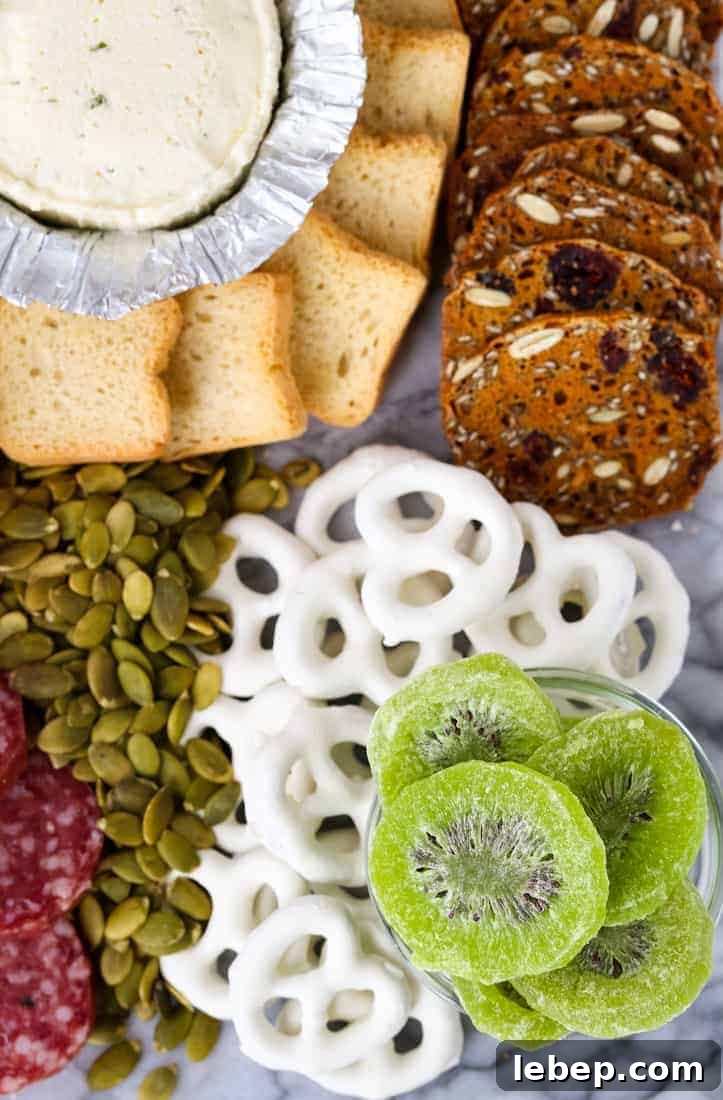
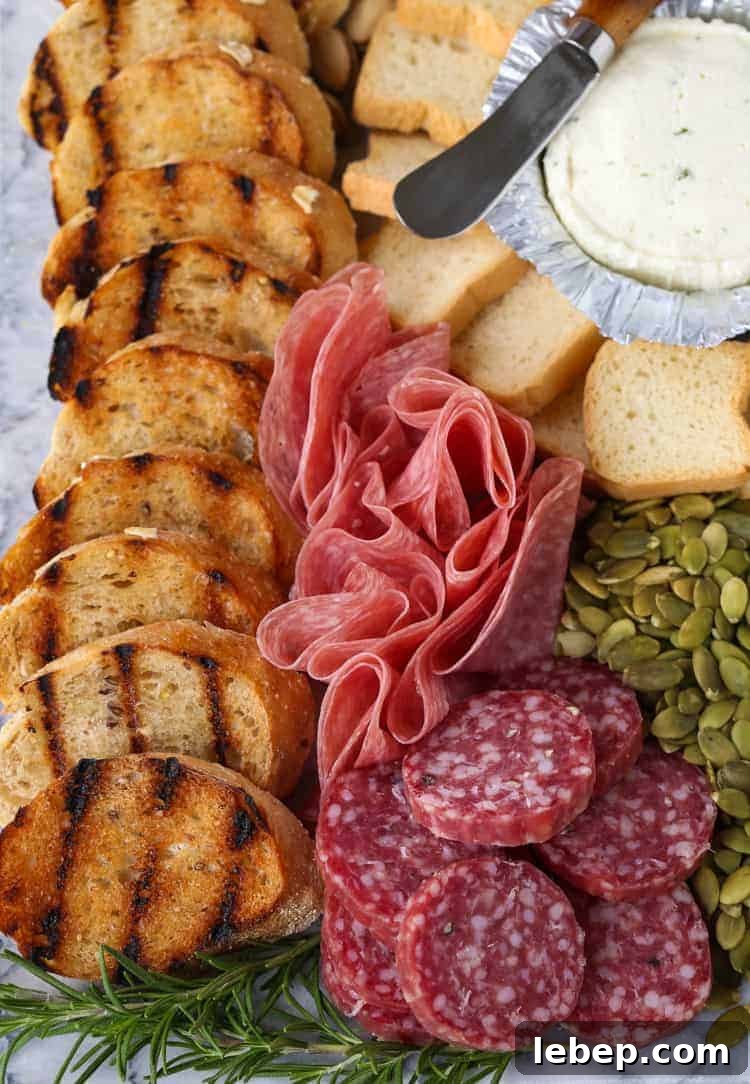
Place meats near crackers or crostini—the classic meat-and-bread combination rarely fails. Distribute colors and textures across the board so every section looks appealing and offers contrast: soft cheese next to crunchy nuts, sliced fruit beside salty meats, and a sweet jam near a tangy cheese.
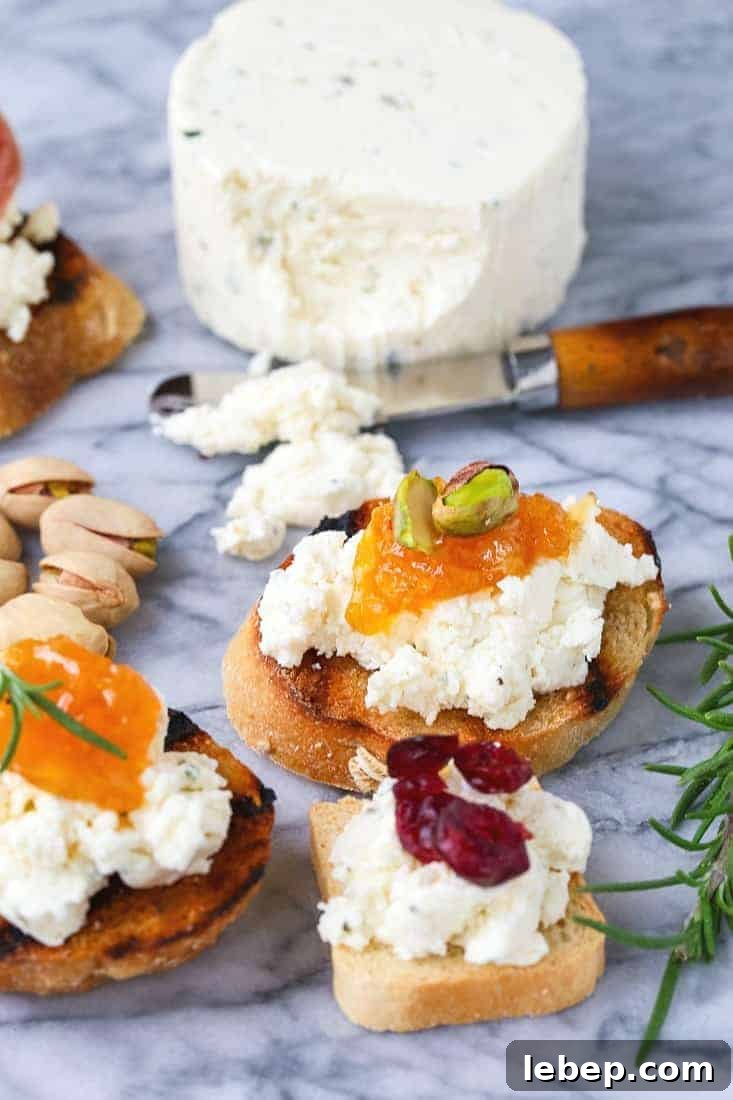
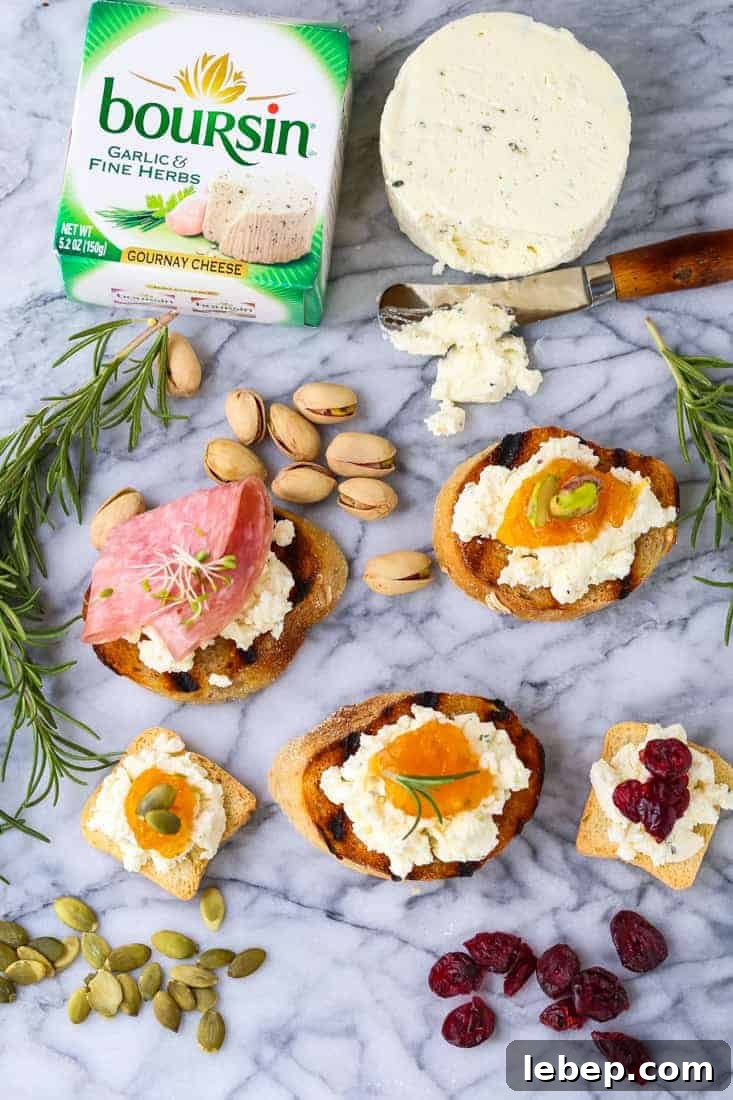
Now for the creative part: experiment with pairings. Try Boursin® Garlic and Fine Herbs with cured meat, a spoonful of jam, or crunchy seeds. Turn it into a tasting game: see which combinations guests prefer. Competitions like that are a fun way to involve everyone and spark conversation.
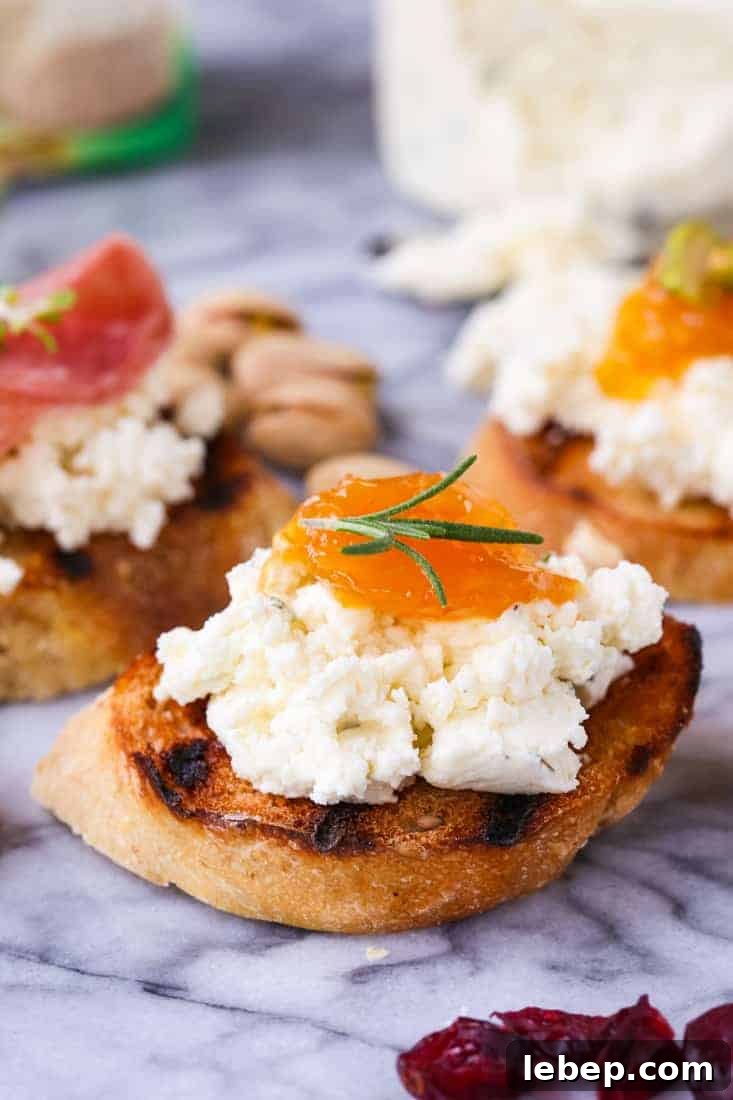
One favorite combo is a dollop of tangerine jam and a sprig of rosemary on Boursin® Garlic and Fine Herbs. Add a thin slice of salami or a crostini for texture—simple, elegant, and bursting with flavor.
Another easy pairing is a slice of salami topped with Boursin® and a few fresh sprouts for garnish. Minimal effort, maximum impact.
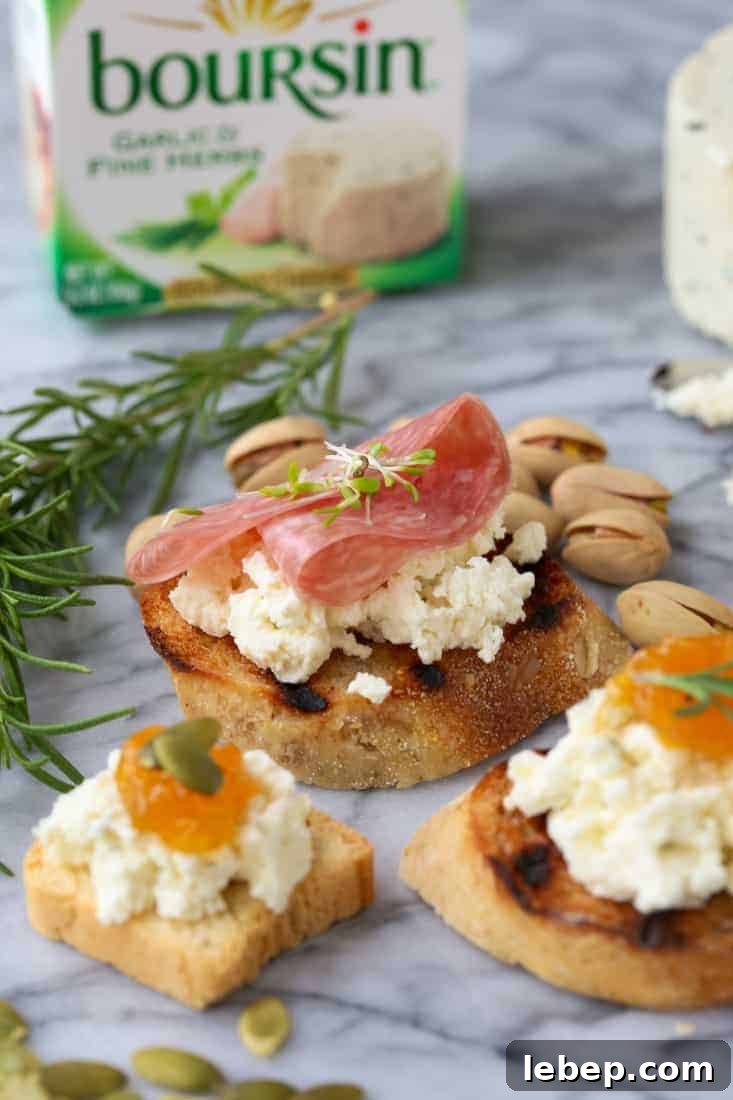
With a flavorful, creamy cheese like Boursin® Garlic and Fine Herbs, your pairing possibilities are nearly endless. Keep a balance of salty, sweet, crunchy and creamy elements and you’ll have a cheese board that’s both beautiful and delicious.
Looking For More Appetizer Recipes?
- Garlic Butter Shrimp
- Spinach & Artichoke Dip
- Crab Salad Appetizers
- Bacon Wrapped Scallops
This post is sponsored by Martha Stewart Living and Boursin® Cheese.