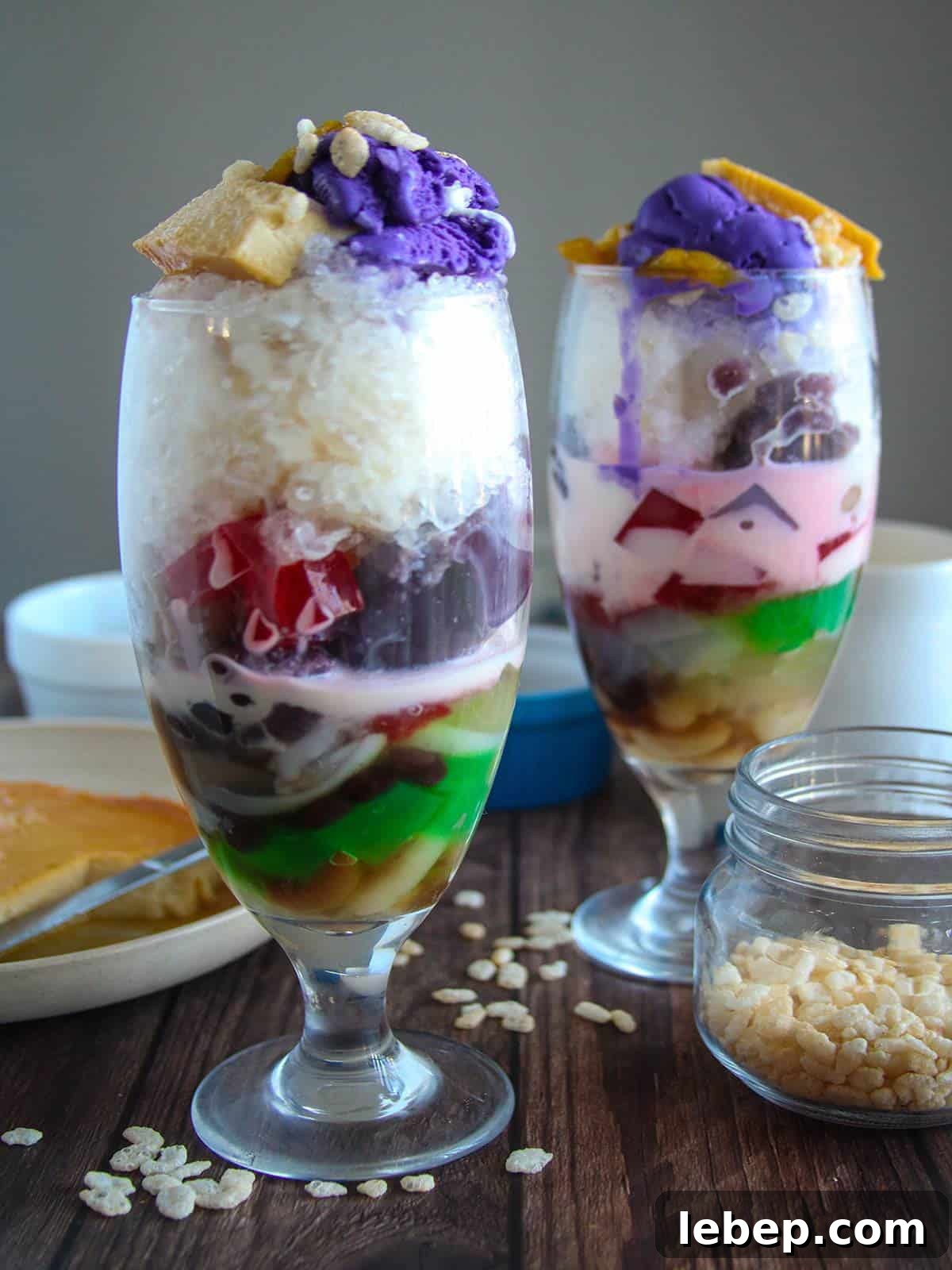
Halo-halo is a Filipino shaved-ice dessert layered with sweetened beans, fruits, and jellies, finished with milk, leche flan, purple yam jam, and ice cream. Refreshing and creamy, it’s perfect any time of year.
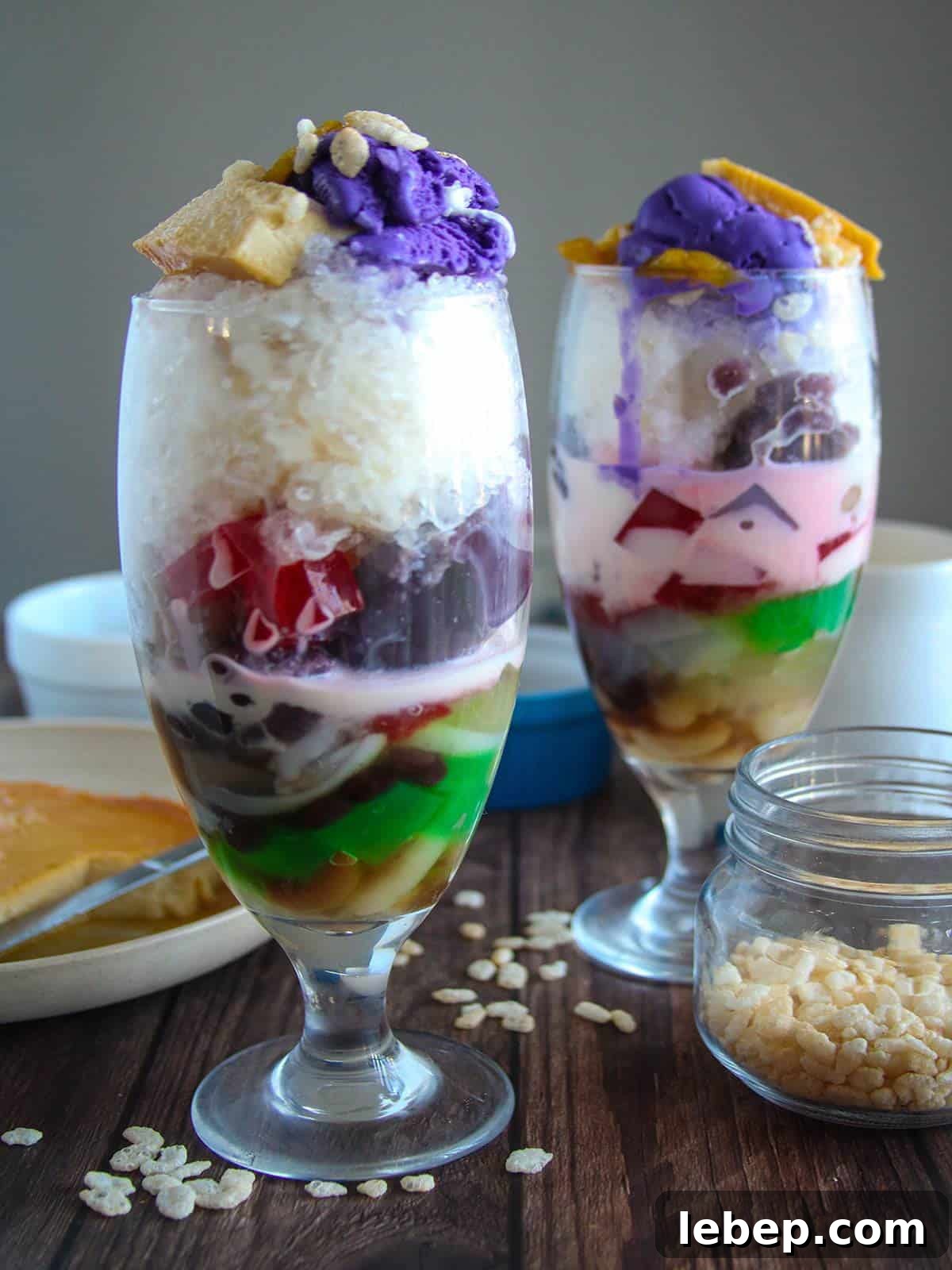
Summer in Texas can be relentless—temperatures soar and humidity makes every errand feel like a trek through a hot soup bowl. Working from home helps, but grocery runs and the occasional food outing are unavoidable. On sweltering days there’s nothing better than a tall, icy halo-halo to cool off and lift the spirits.
Halo-halo is indulgent, colorful, and endlessly customizable. Whether you buy prepared components or make each element from scratch, assembling a glass of halo-halo is fast and satisfying. The mix of textures—from creamy leche flan and silky ube halaya to chewy jellies and crunchy pinipig—creates an exciting contrast in every spoonful.
What is Halo-halo
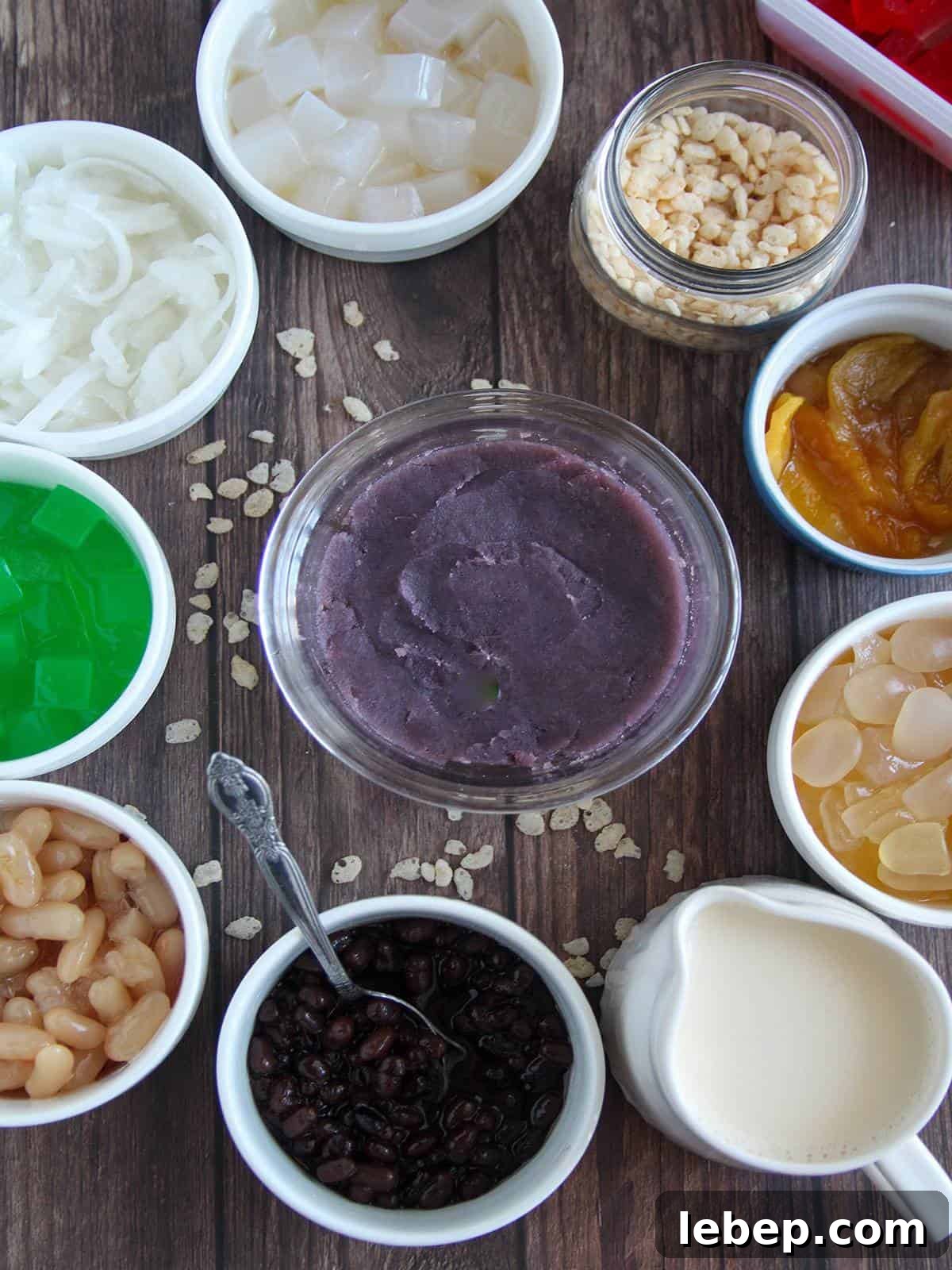
Meaning “mix-mix,” halo-halo traces its roots to Japanese kakigori and developed into a distinctly Filipino dessert after influences from Japanese migrants near Manila’s ice industry. The dessert layers sweetened beans, fruits, and root vegetables—common ingredients include mongo (mung beans), saba bananas, jackfruit, sweet potato, ube (purple yam), nata de coco, and young coconut.
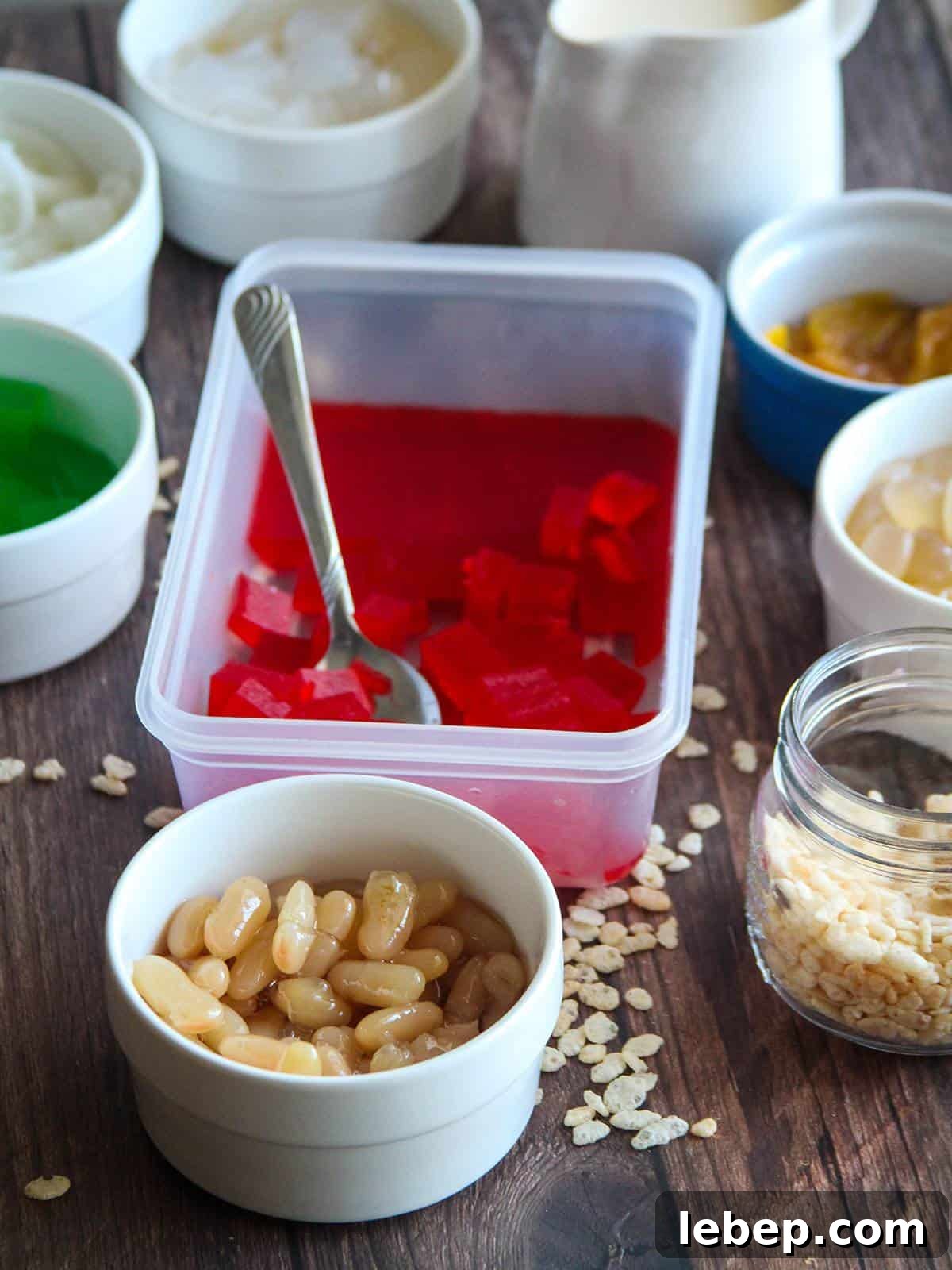
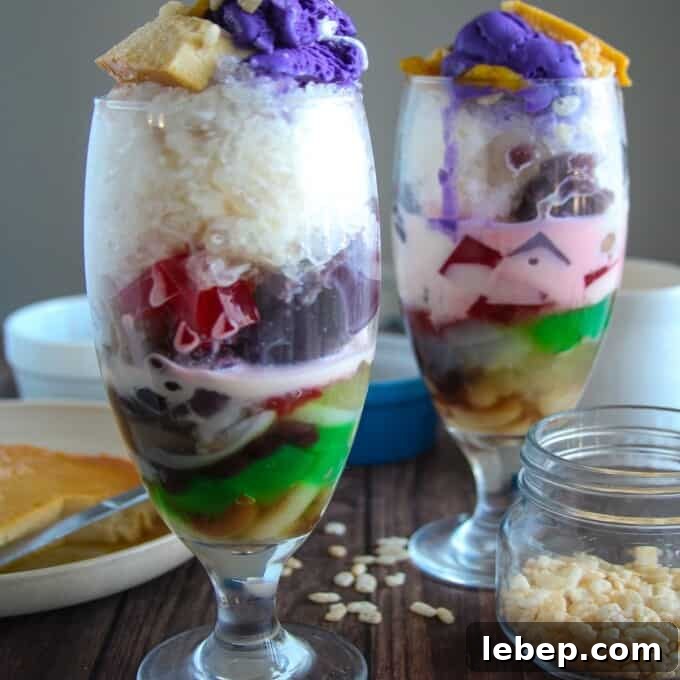
The assembled ingredients are topped with shaved ice, evaporated or fresh milk, slices of leche flan, and a scoop of ice cream—often ube, mango, or vanilla. A final sprinkle of pinipig (toasted pounded rice) adds a pleasing crunch. Once combined, the components meld into a creamy, textured treat that’s both refreshing and rich.
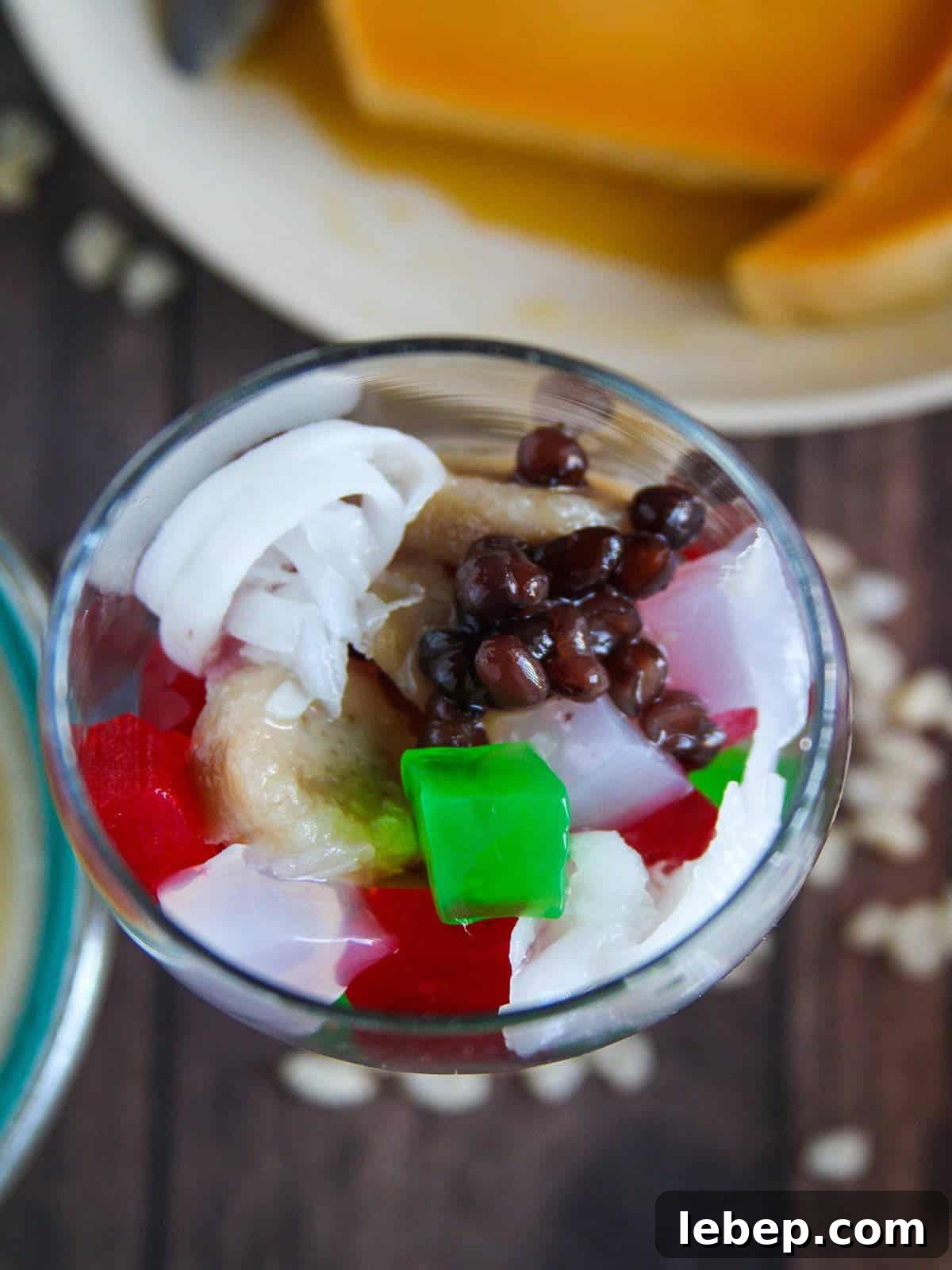
Choice of Mix-ins
Halo-halo is highly adaptable. Choose a few favorites or include many for a more elaborate glass. Store-bought components are convenient, but homemade add-ins bring more flavor.
- Coconut gel (nata de coco)
- Sugar palm (kaong)
- Sweetened jackfruit (langka)
- Sweetened saba bananas
- Ripe mango slices
- Sweet potatoes (kamote)
- Sweetened beans (garbanzo, red mung, white beans)
- Sweet corn kernels
- Gulaman (agar-agar) cubes or jelly
- Tapioca or sago pearls
- Young coconut (buko) or macapuno
- Evaporated or fresh milk
- Pinipig or rice crispies
- Ube halaya (purple yam jam)
- Leche flan
- Ice cream (mango, ube, or vanilla)
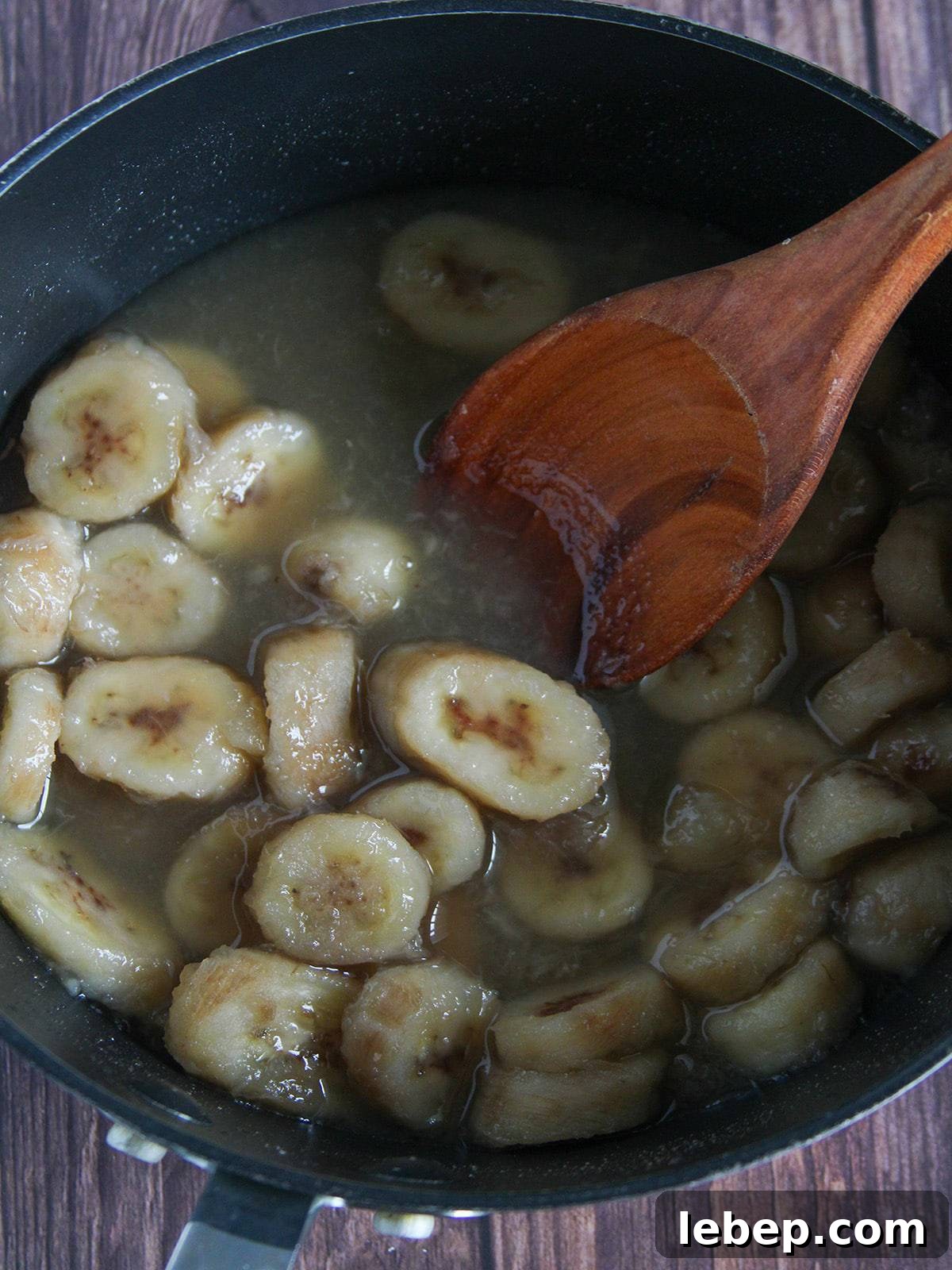
Recipes for homemade ingredients
Minatamis na Saging (sweetened bananas)
- 3–4 large saba bananas
- 1 3/4 cup water
- 3/4 cup sugar
- 1 tsp vanilla extract
- Peel and slice bananas into 1/2-inch pieces.
- Bring water to a boil in a saucepan, then reduce heat and add sugar until dissolved.
- Add bananas and simmer until soft and the syrup thickens.
- Turn off heat and stir in vanilla.
Sweetened Red Mung Beans
- 1 cup red mung beans
- Water for soaking and cooking
- 1/2 cup sugar
- Rinse and soak beans overnight, then drain.
- Place beans, enough water to cover, and sugar in a saucepan and bring to a boil.
- Reduce heat, cover, and simmer until beans are tender and the liquid becomes thick and syrupy.
Sweetened White Beans
- 1 cup white beans
- 1 cup sugar
- Water for cooking
- 1/2 tsp vanilla extract
- Rinse and drain beans, then simmer in water until tender.
- Add sugar and continue cooking until the liquid thickens and is mostly absorbed.
- Turn off heat and stir in vanilla.
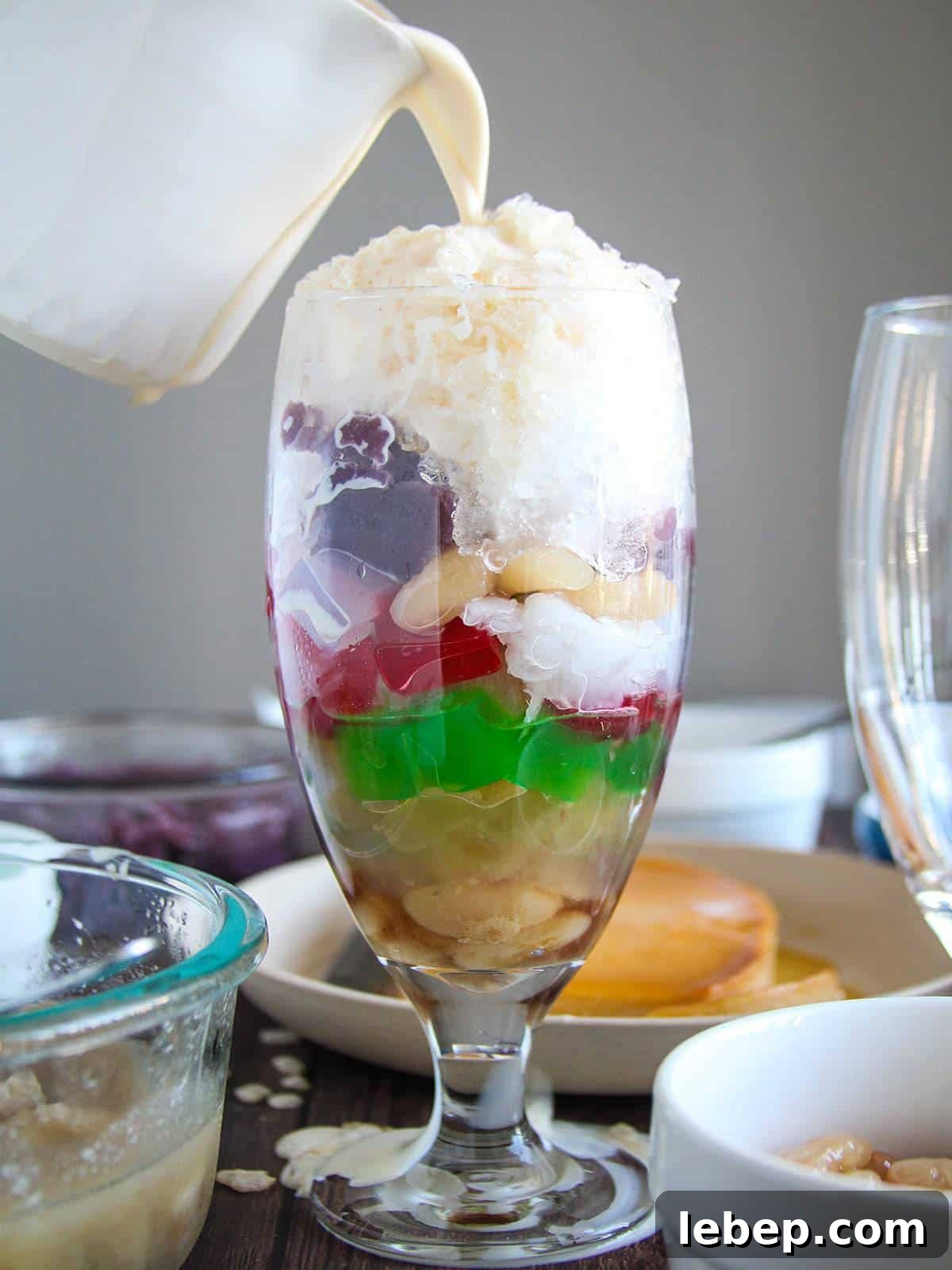
How to serve
- Add about a teaspoon of each chosen add-in into a tall glass until it’s roughly one-third full.
- Pack the glass with shaved ice (shaved, not crushed, for best texture).
- Drizzle evaporated or fresh milk over the ice.
- Top with scoops of ice cream and slices of leche flan or a dollop of ube halaya.
- Garnish with macapuno strips and a sprinkle of pinipig for crunch, if desired.
- Serve immediately and stir to enjoy the mix of flavors and textures.
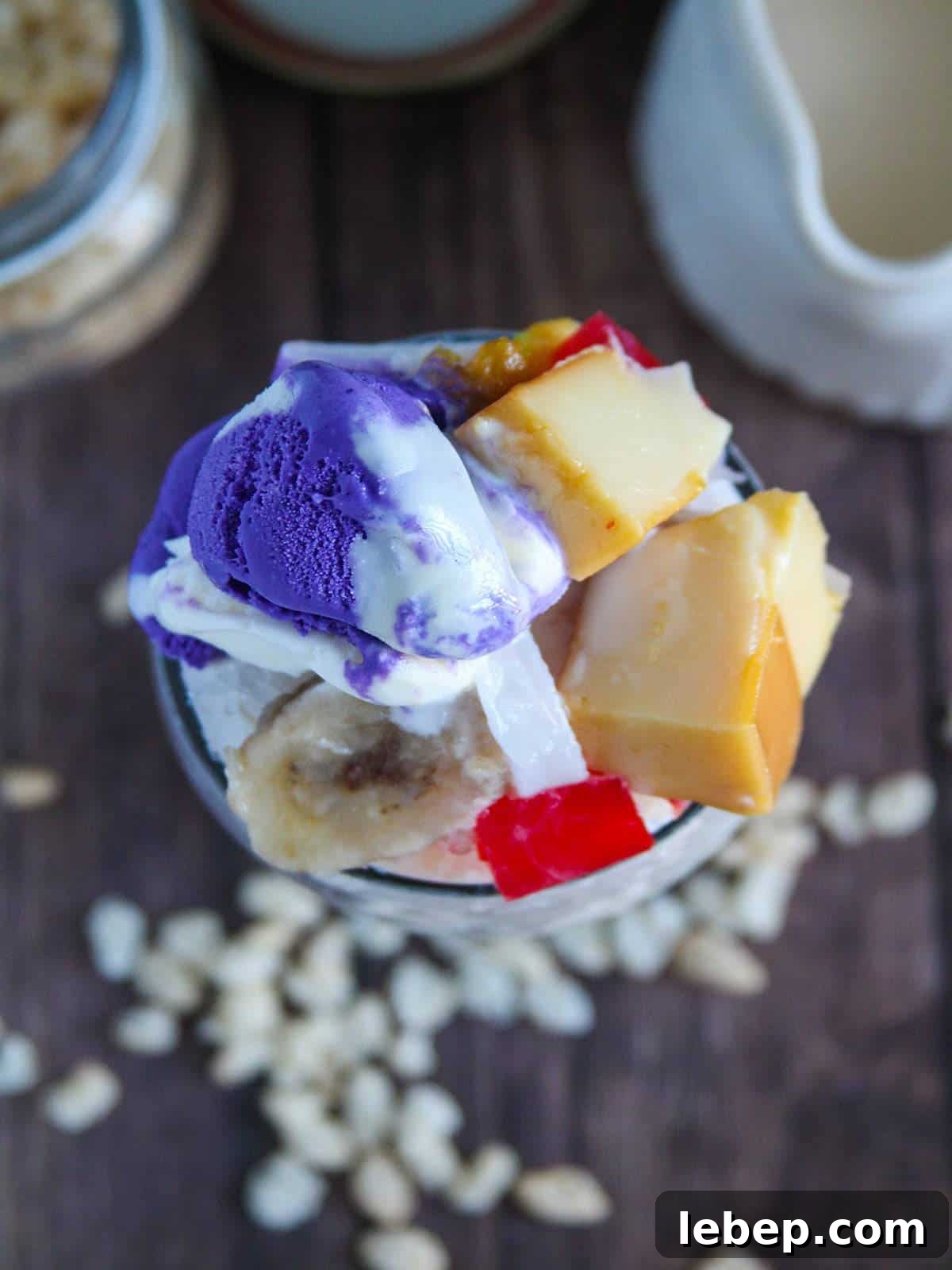
Helpful tips
- When preparing gulaman, use slightly less water than the package recommends so the cubes stay firm in the mix.
- Most halo-halo components are already preserved in simple syrup, so additional sugar is usually unnecessary.
- Use shaved ice rather than crushed ice—the fine texture soaks up milk and gives a creamier mouthfeel.
How to store
Halo-halo is best enjoyed fresh. To prepare ahead, keep each add-in in separate airtight containers in the fridge and assemble the dessert just before serving to preserve texture and chill.
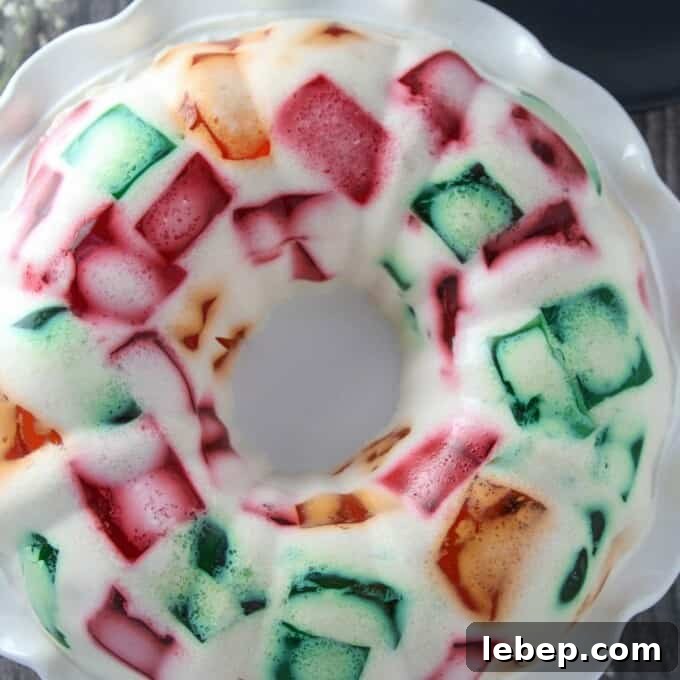
More fun Filipino desserts
Cathedral Window gelatin—also known as broken glass jello—is both beautiful and delicious. It’s an impressive dessert that’s fun to make.
Halo-Halo
Ingredients
- 1/2 cup gulaman cubes or sago
- 1/2 cup sweetened beans (garbanzo, red mung, and/or white beans)
- 1/2 cup nata de coco, drained well
- 1/2 cup kaong, drained well
- 1/2 cup sweetened saba bananas
- 1/2 cup sweetened jackfruit strips
- 1/4 cup sweetened macapuno
- 1/2 cup ube halaya
- Shaved ice
- 1 cup evaporated milk
- 1 cup leche flan
- 4 scoops ice cream (mango, ube, or vanilla)
Instructions
- Prepare gulaman according to package directions, using less water for a firmer texture.
- Prepare your chosen ingredients from scratch or use bottled halo-halo mixes.
- In a tall glass, add about a teaspoon of each desired add-in until the glass is about one-third full.
- Pack the glass with shaved ice.
- Drizzle evaporated milk over the ice.
- Top with leche flan and a scoop of ice cream.
- Garnish with macapuno strips and a sprinkle of pinipig if desired.
- Serve immediately.
Notes
- Use less water when making gulaman so the cubes remain firm.
- Most add-ins are already sweetened, so extra sugar is usually unnecessary.
- Shaved ice is preferable to crushed ice for a smoother, milk-absorbent texture.