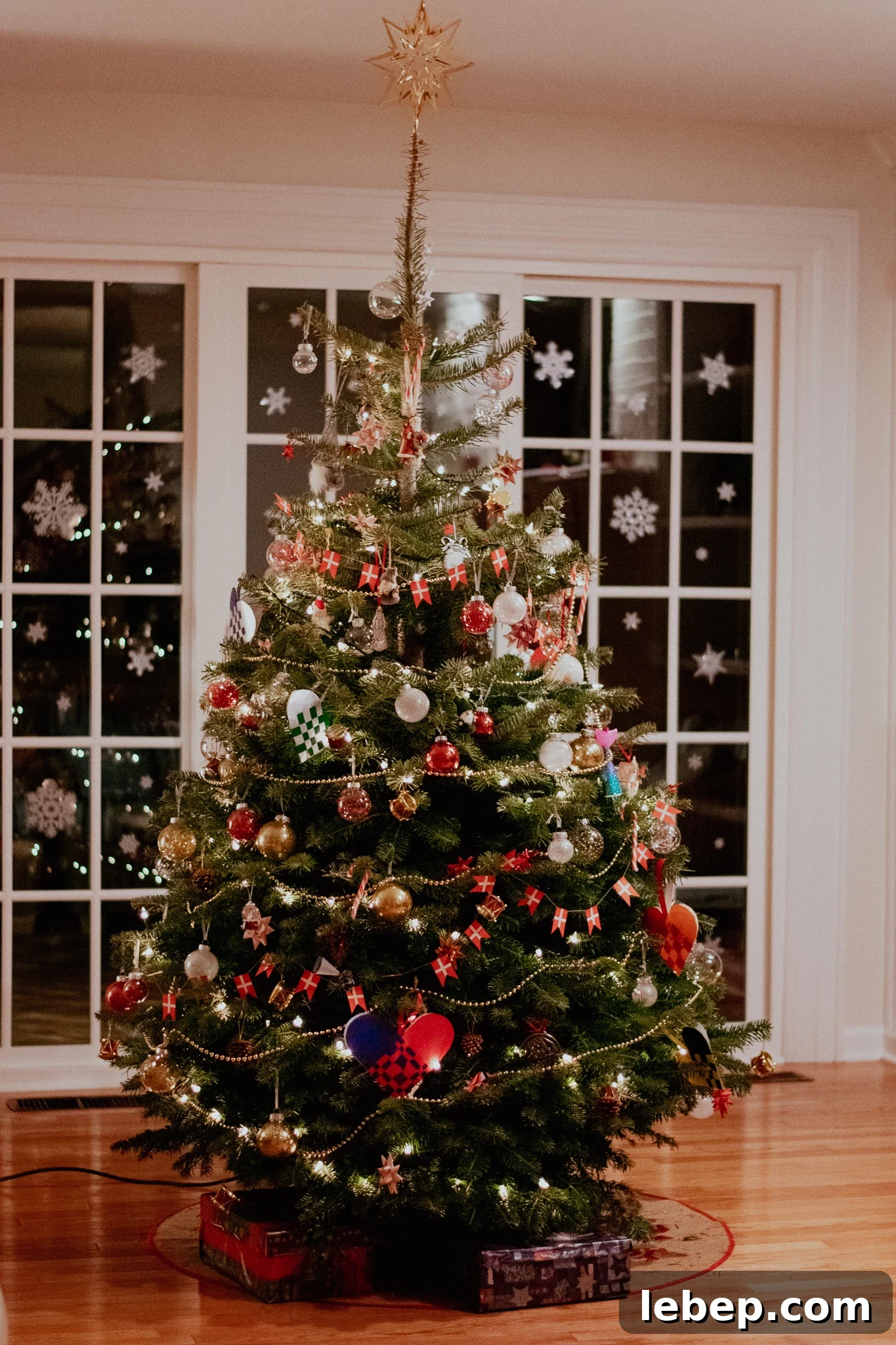
Vi elsker jul!
If you’ve ever had a Dane in your life, you know how much we adore Christmas. Maybe it’s the long, dark Scandinavian winters that make us crave light and warmth, or maybe it’s simply a love of cozy traditions. Whatever the reason, Denmark has countless customs that create a festive mood from early December through the holidays. When our family moved from Denmark to Greece and later to the United States, we delighted in sharing our quirky Christmas rituals with non-Danish friends and involving them in cookie-baking sessions, julefrokost gatherings, and other celebrations. Guests who experience a Danish Christmas often want to come back for more — and that says a lot!
Psst…we published an Ebook!
Bring Danish hygge to your Christmas this year with our detailed digital PDF guide to planning and hosting an authentic Danish julefrokost (Christmas lunch).
Get the guide
Today’s Post
In this post I’ve compiled our favorite Danish Christmas traditions in one place. It’s a challenge to list them all, but I’ll walk you through December mostly in chronological order and explain each custom. If something here inspires you to add a Danish touch to your holidays this year, please do — our goal is to share Christmas joy and a little hygge with everyone.
The Early December Traditions
Early December is all about preparation: planning, shopping, and getting into the spirit. Danes often start even earlier, so you may hear Christmas music or see decorations from late November onward. Below are some beloved early-month rituals.
Stockings and Nisser
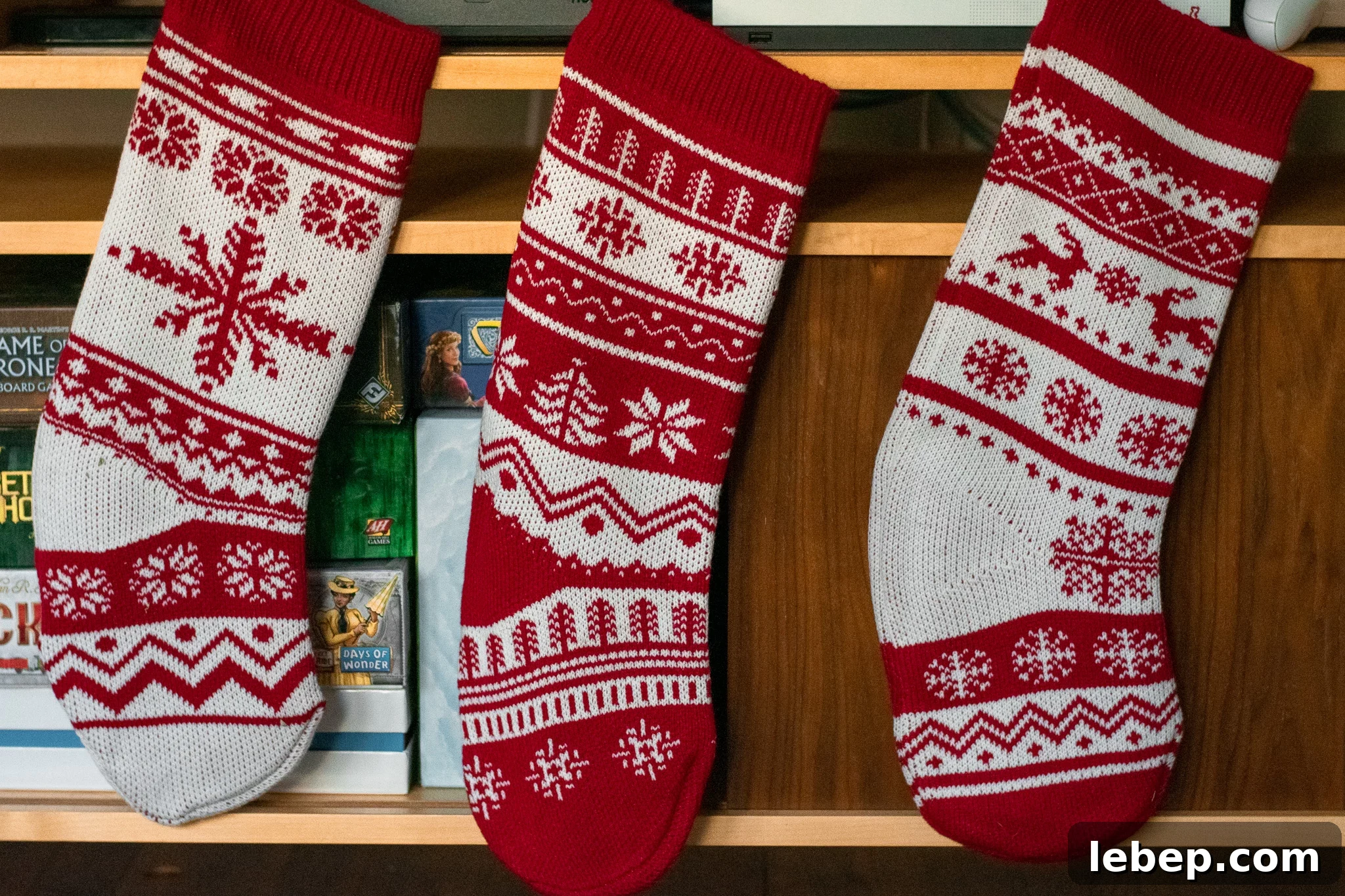
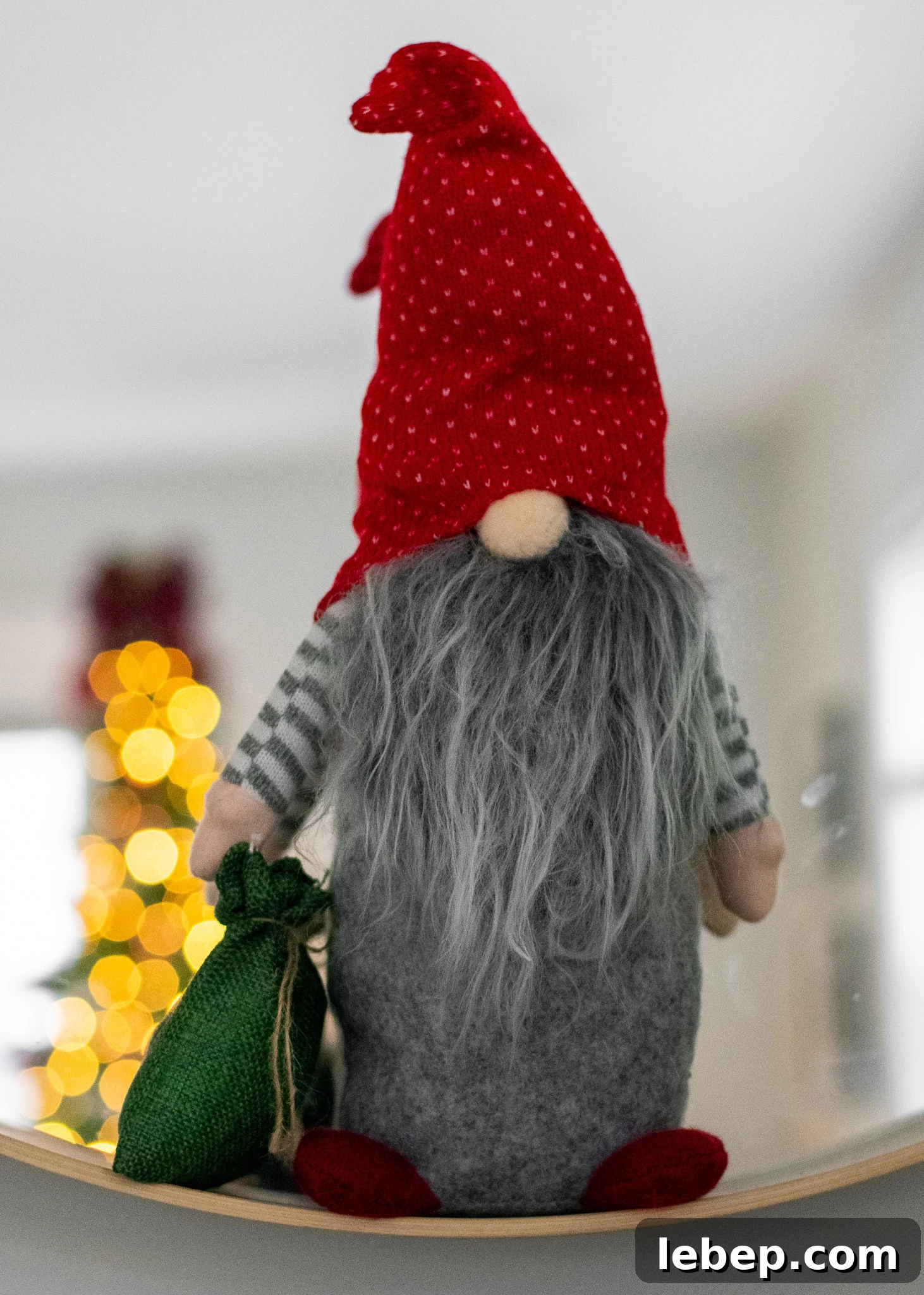
Stockings are common worldwide, but in Denmark they start early. Some families hang stockings before December 1 and fill them with small daily gifts throughout the month. This tradition is mainly for children and makes each morning of December exciting. The gifts are said to come from a nisse, a small gnome-like creature from Nordic folklore. Every family’s nisse “lives” in the attic and looks after the household. You’re expected to treat him well — including leaving food for him on December 23 — so he’ll bring you good fortune and treats during the season.
Decorations
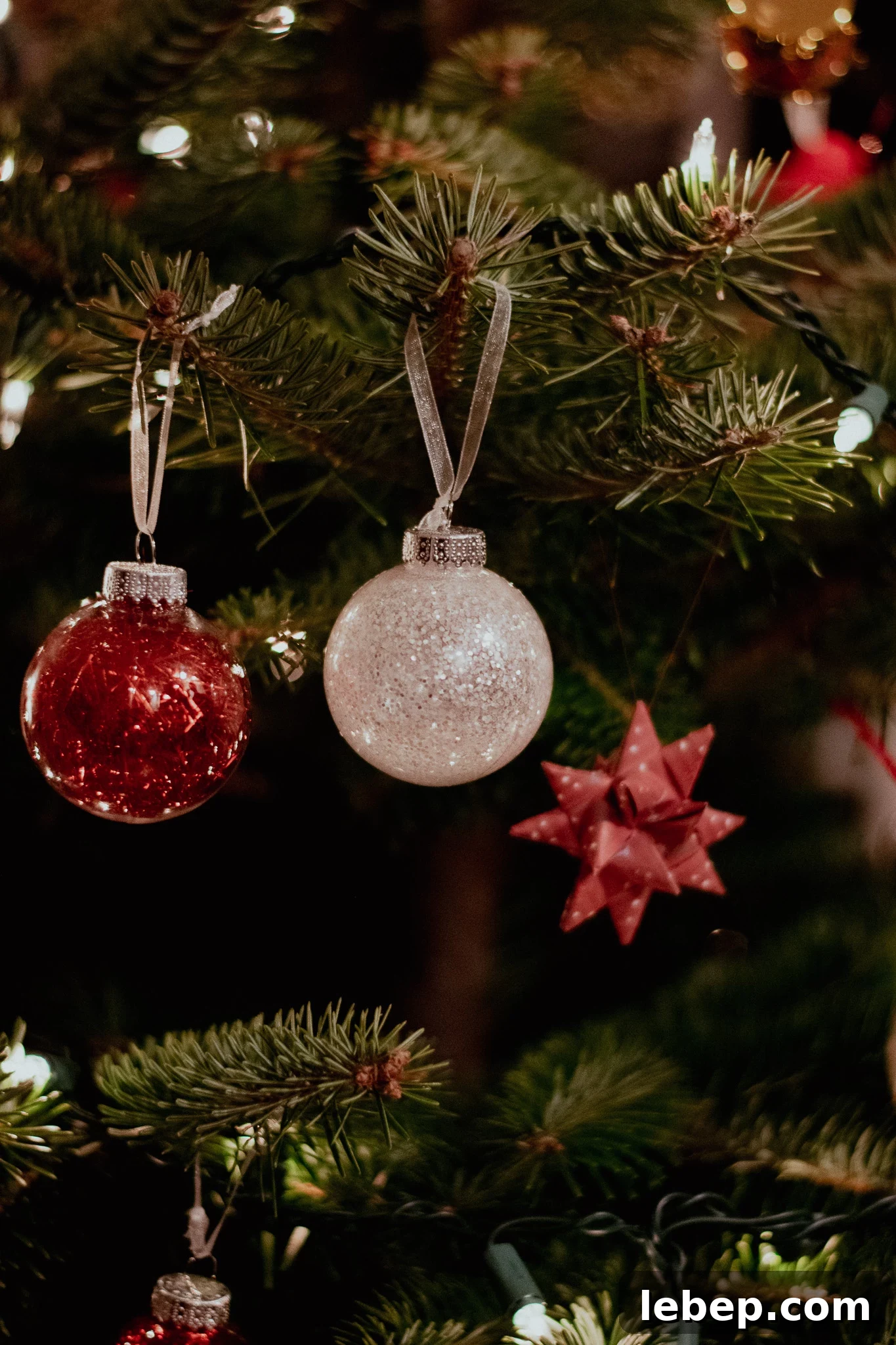
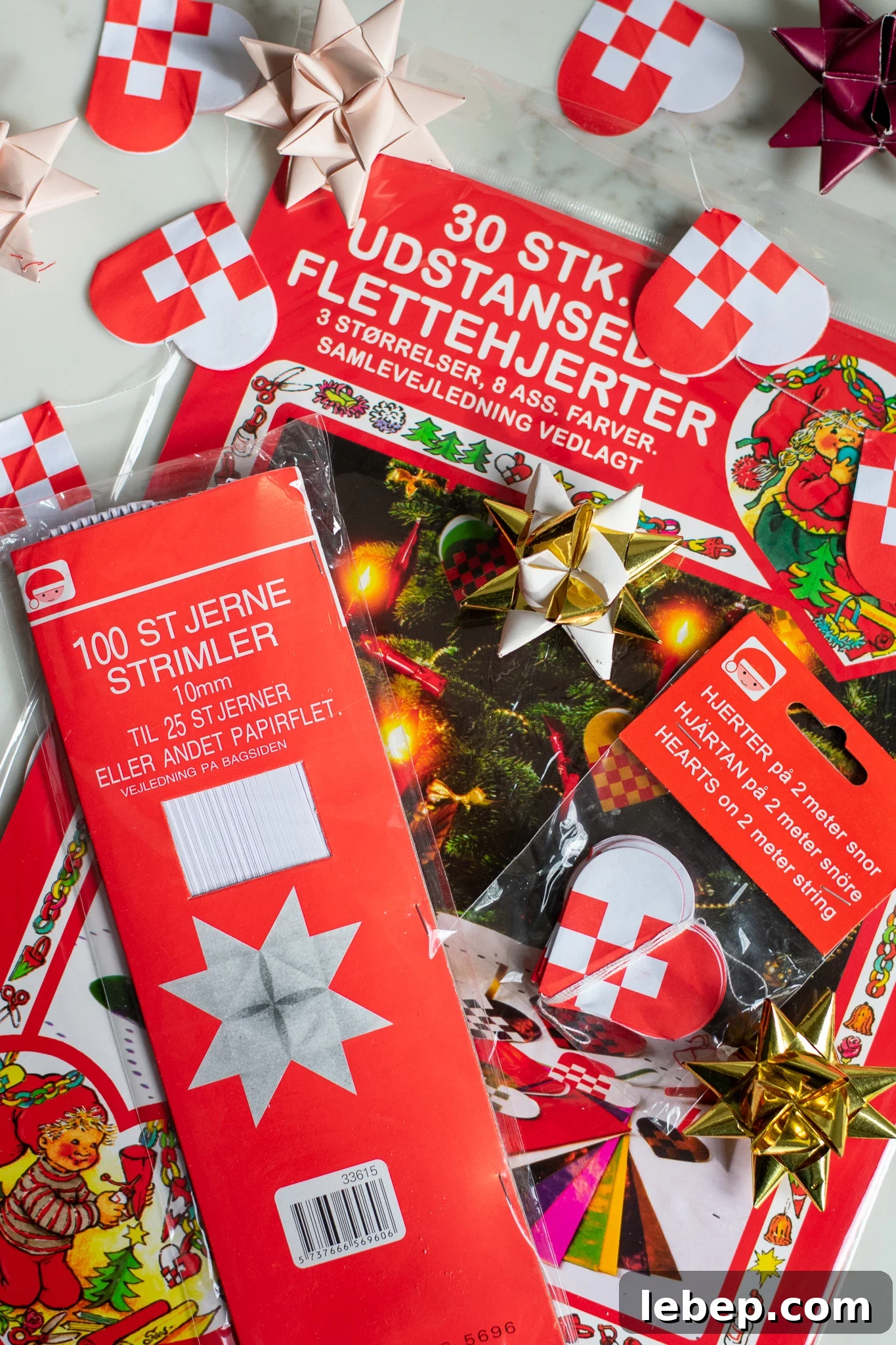
Decoration timing varies by household. Some put up the tree early, while others wait until later in December. Early in the month many families hang wreaths, paper stars, and homemade crafts. Classic Danish decorations include kravlenisser — small cardboard nisser you clip onto picture frames or shelves so they look like they’re crawling around — and stjernestrimler, braided paper stars. Making braided hearts and paper stars is a popular family activity and adds a handmade touch to the home.
Candles
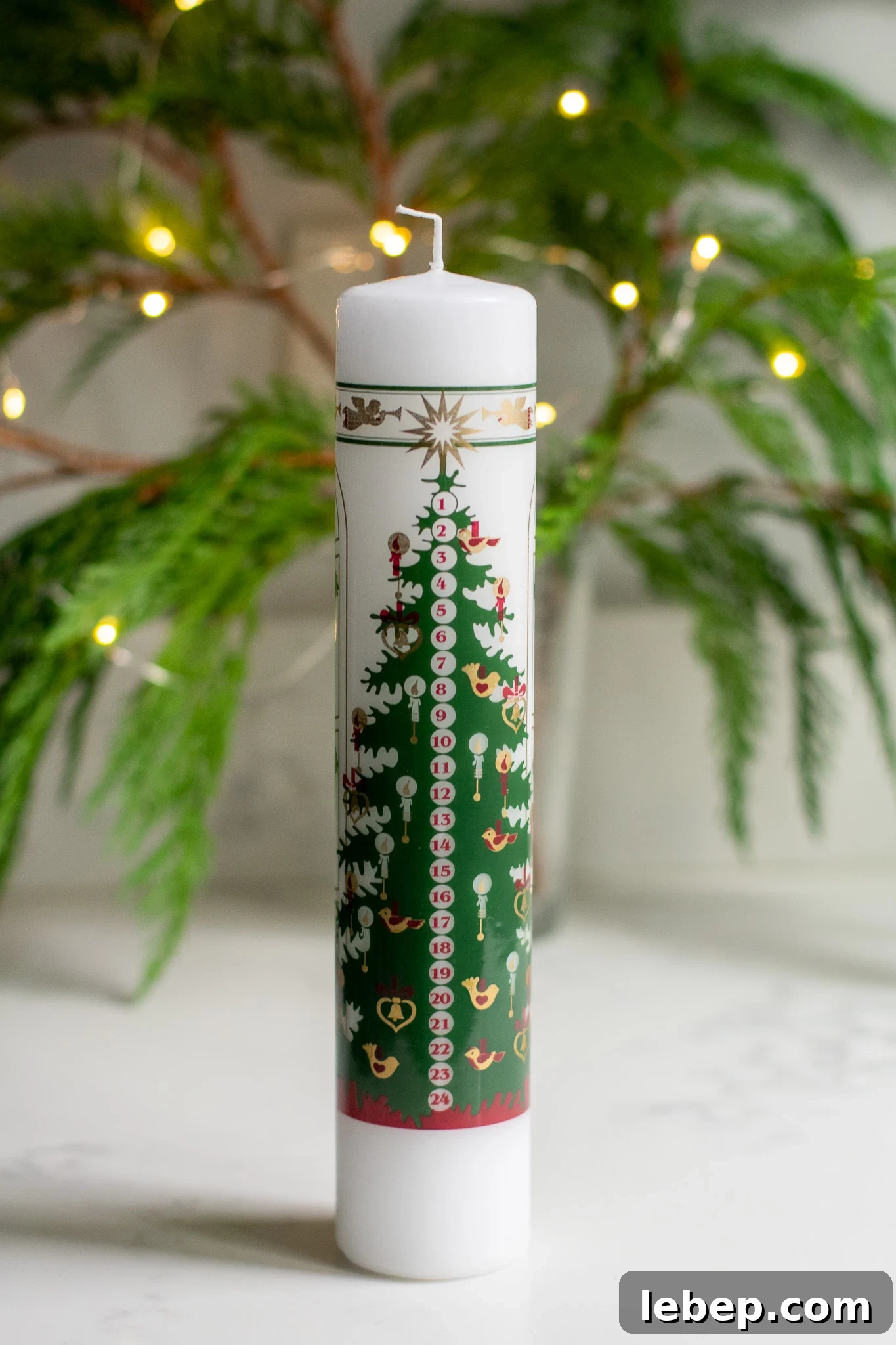
Candles play a central role in Danish Christmas. Advent candles mark the four Sundays before Christmas; families light one candle each Sunday to count down. A kalenderlys (calendar candle) is another favorite: it’s marked with dates from December 1 to 24 and is lit daily, burning down to the next date. Children often help monitor the kalenderlys and blow it out when the day’s portion has burned down.
The Mid-December Traditions
Mid-December ramps up food-centered gatherings while decorations and advent rituals continue. This period is filled with hyggelige meetups, baking, and classic Danish treats.
Julefrokost
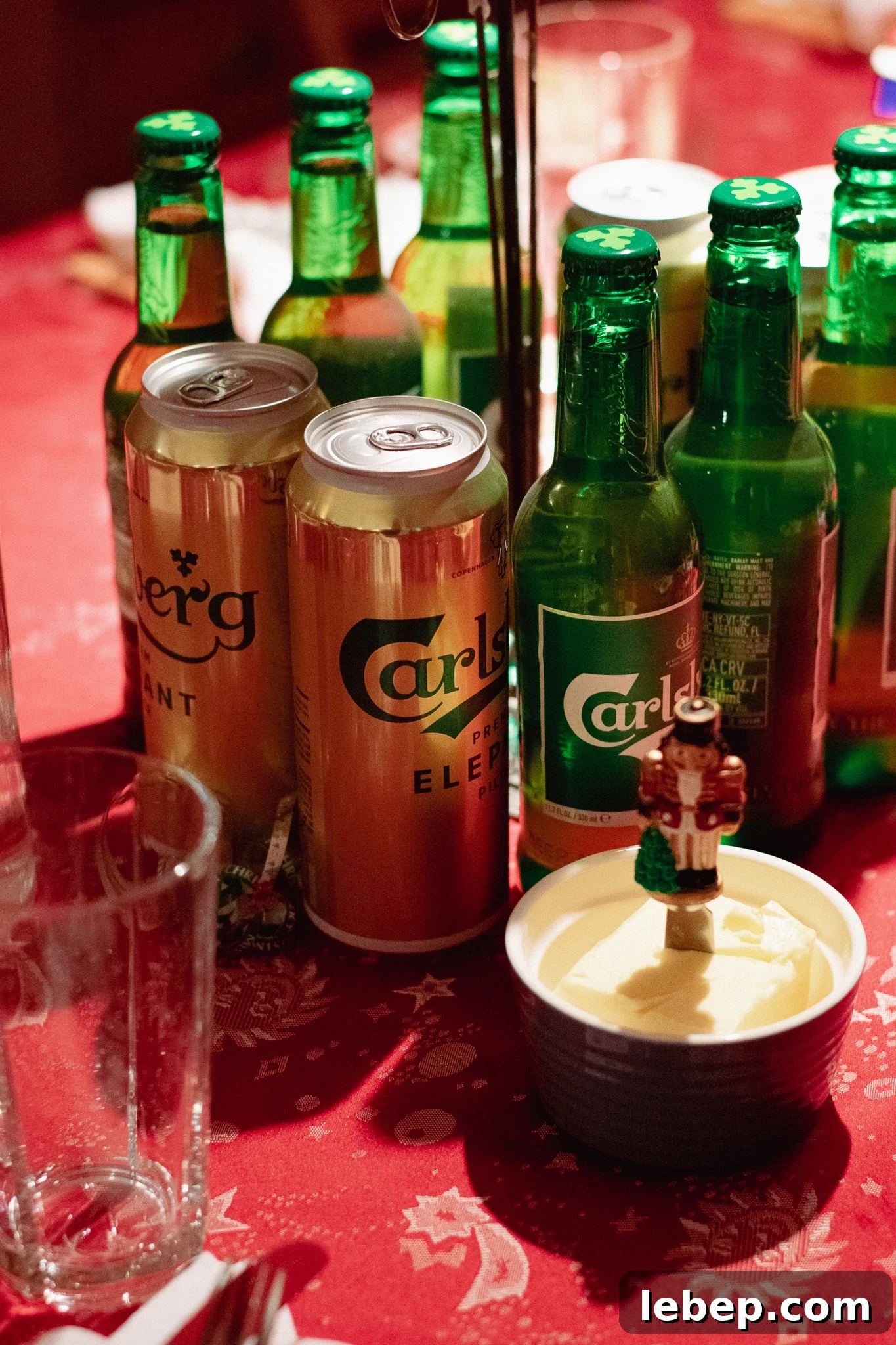
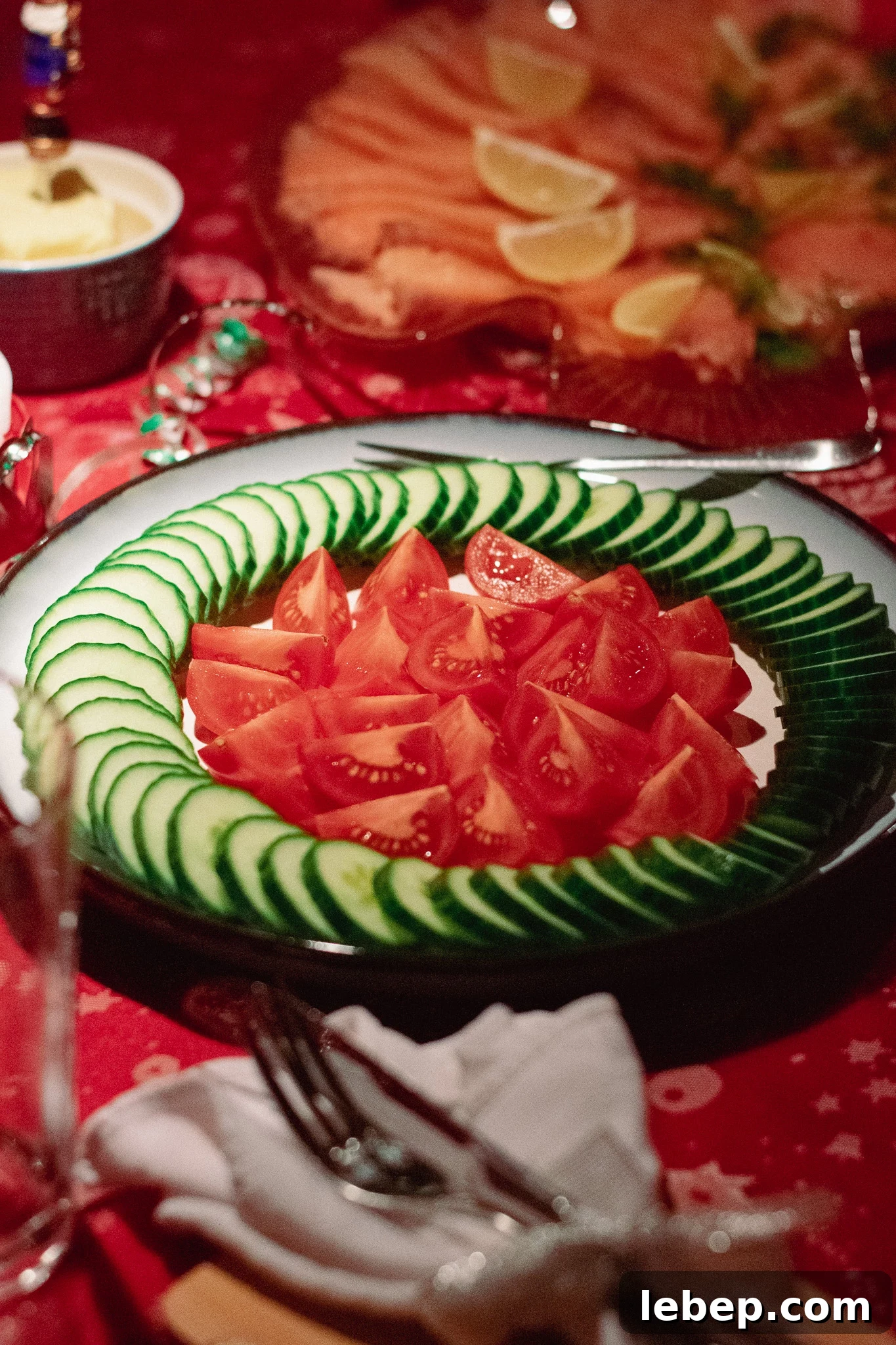
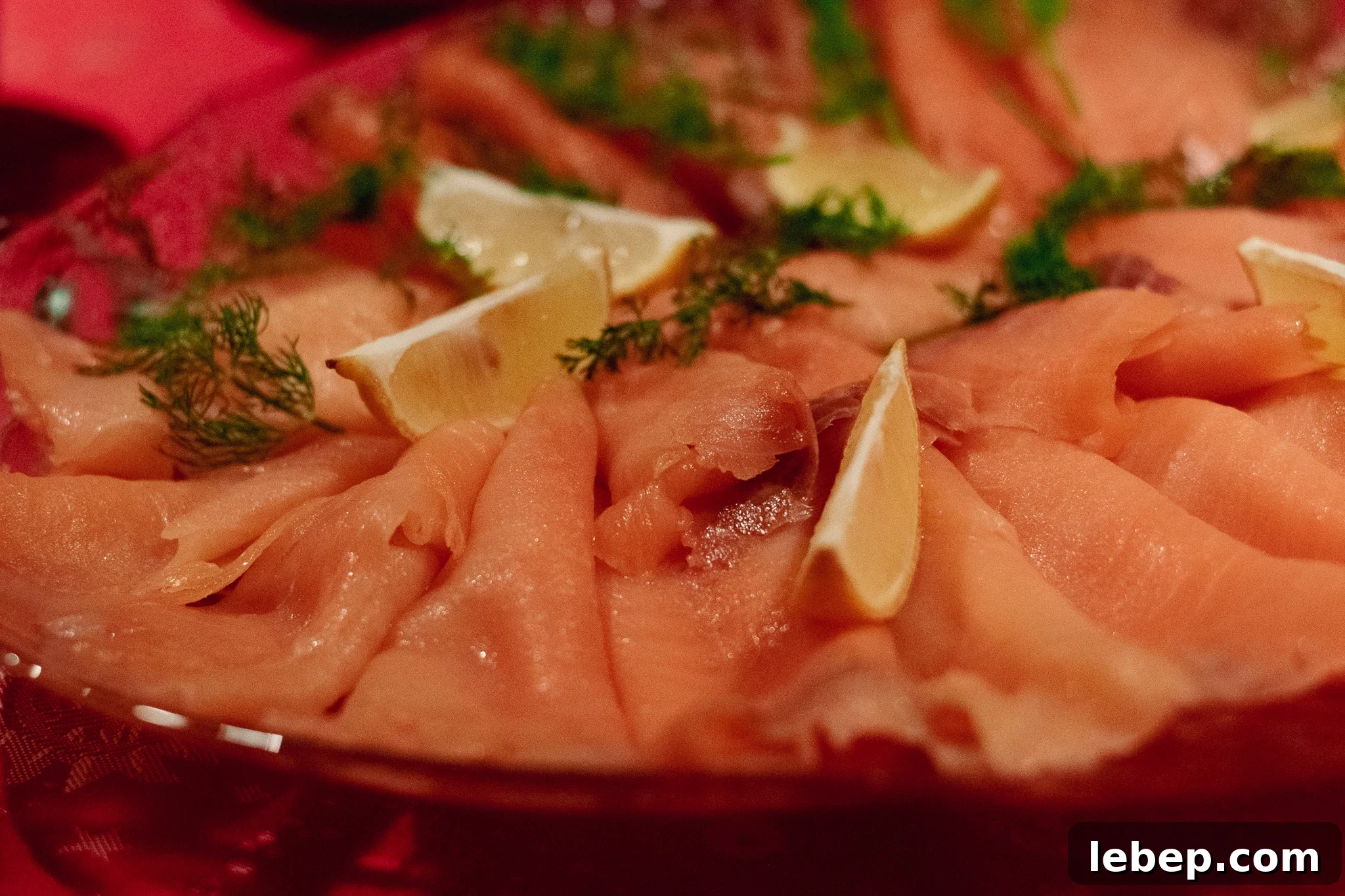
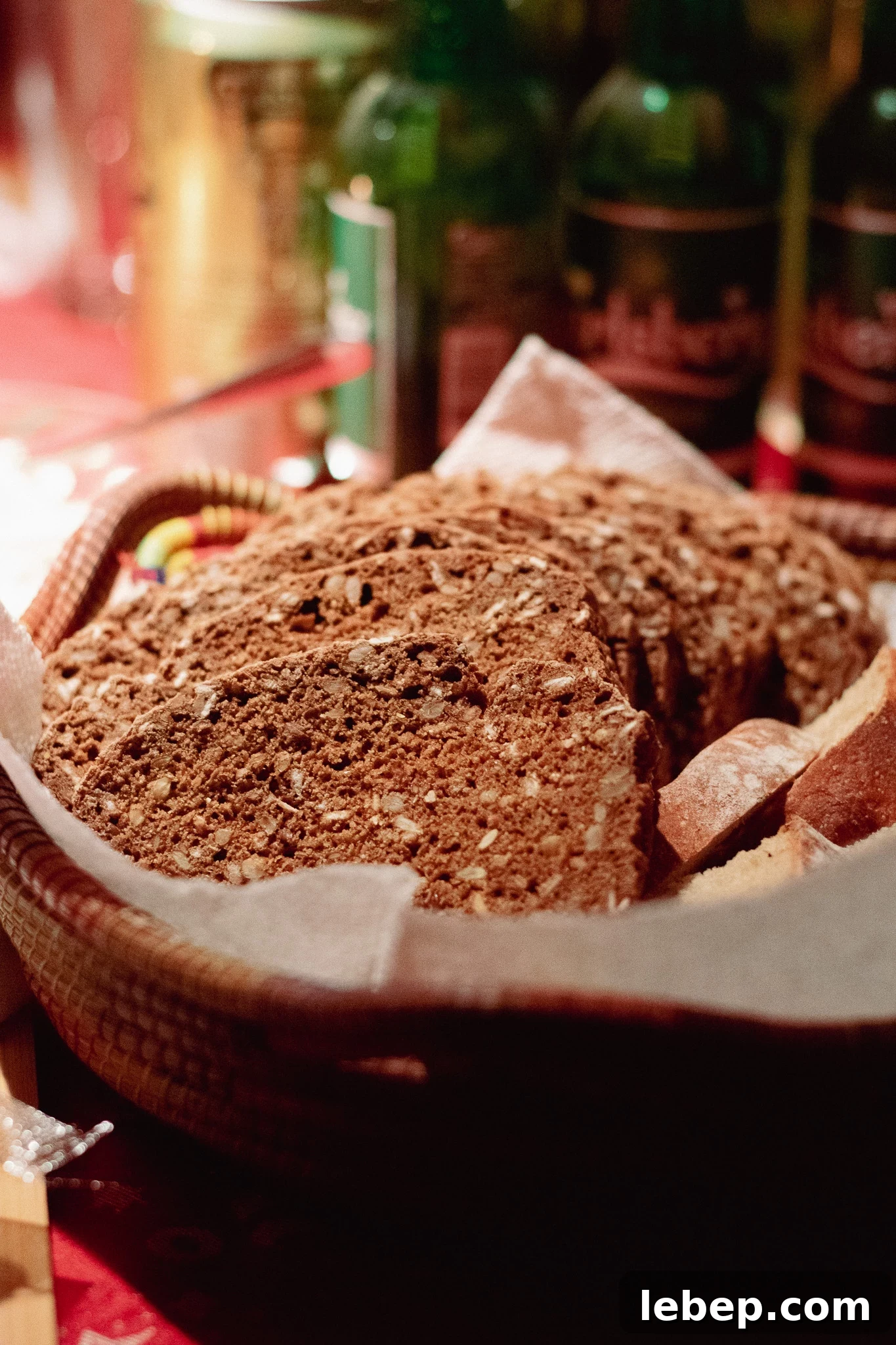
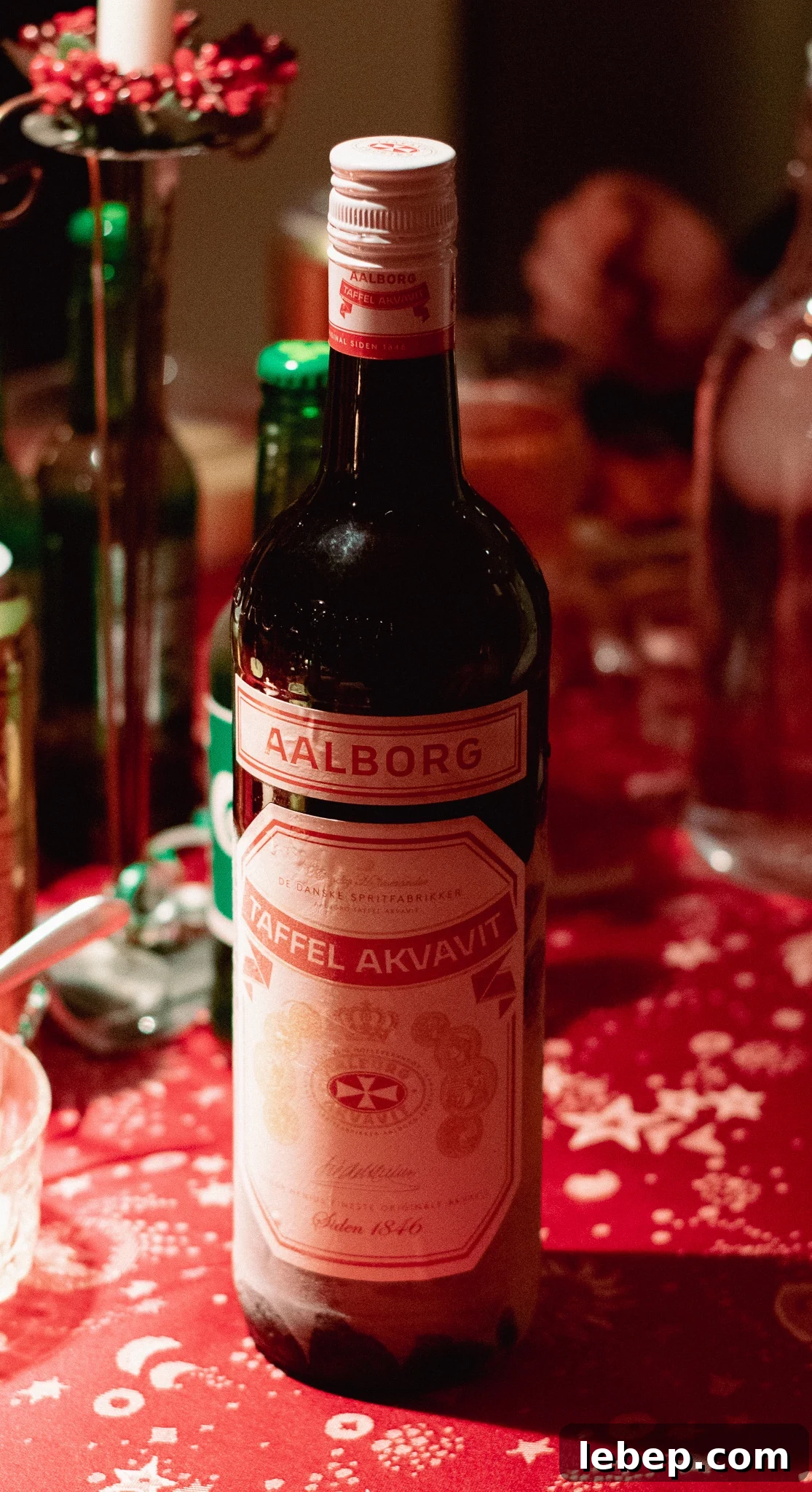
Julefrokost are festive Danish Christmas lunches that take place throughout December. Workplaces, friends, and families host julefrokost gatherings featuring lots of food — especially smørrebrød (open-faced sandwiches) — and traditional drinks like beer and snaps (akvavit). These meals involve singing, toasting, and often a bit of merry mischief. We typically host a family julefrokost while everyone is gathered for the holidays, and it’s always one of the most memorable events of the season.
Æbleskiver and Gløgg
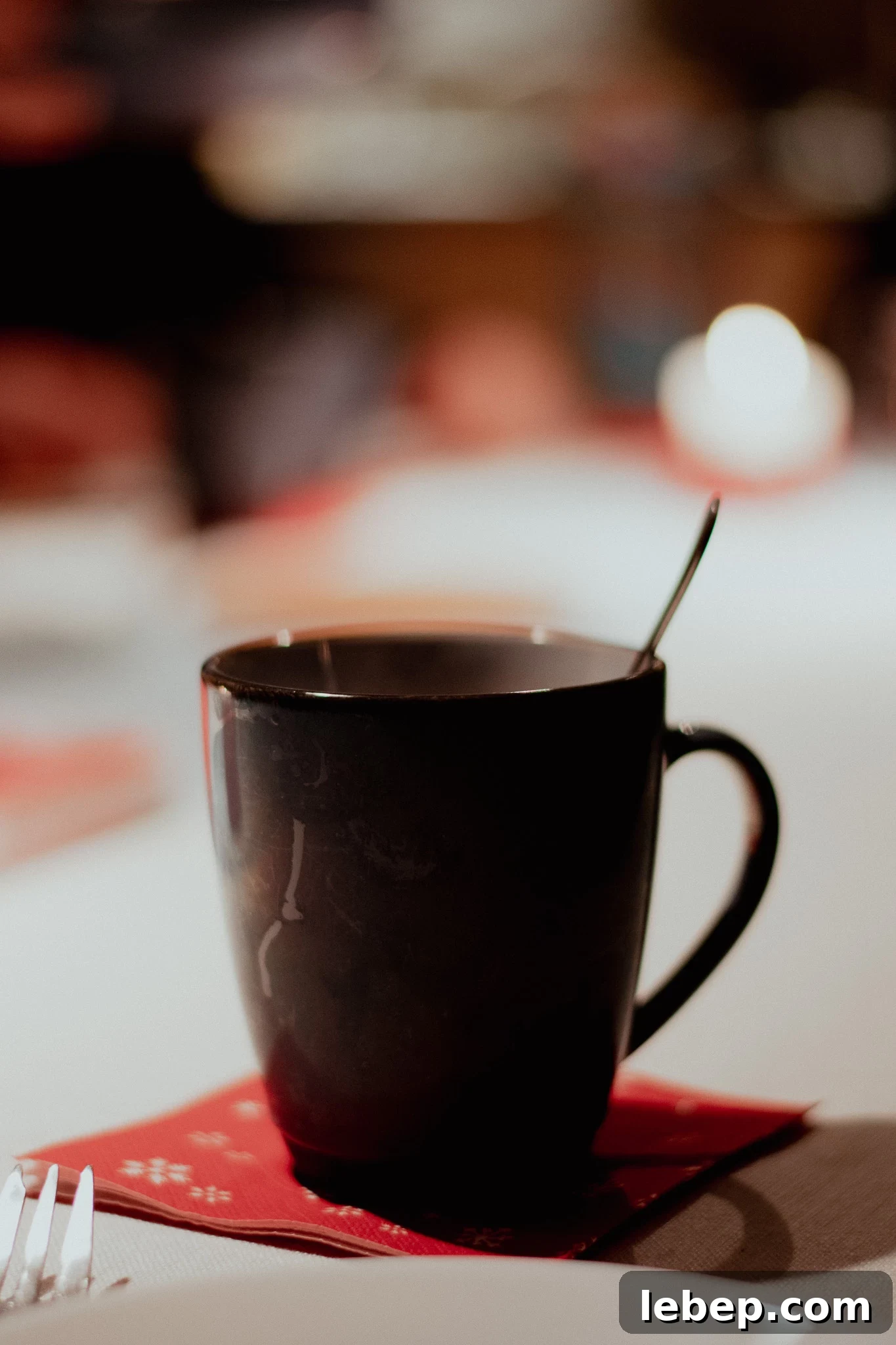
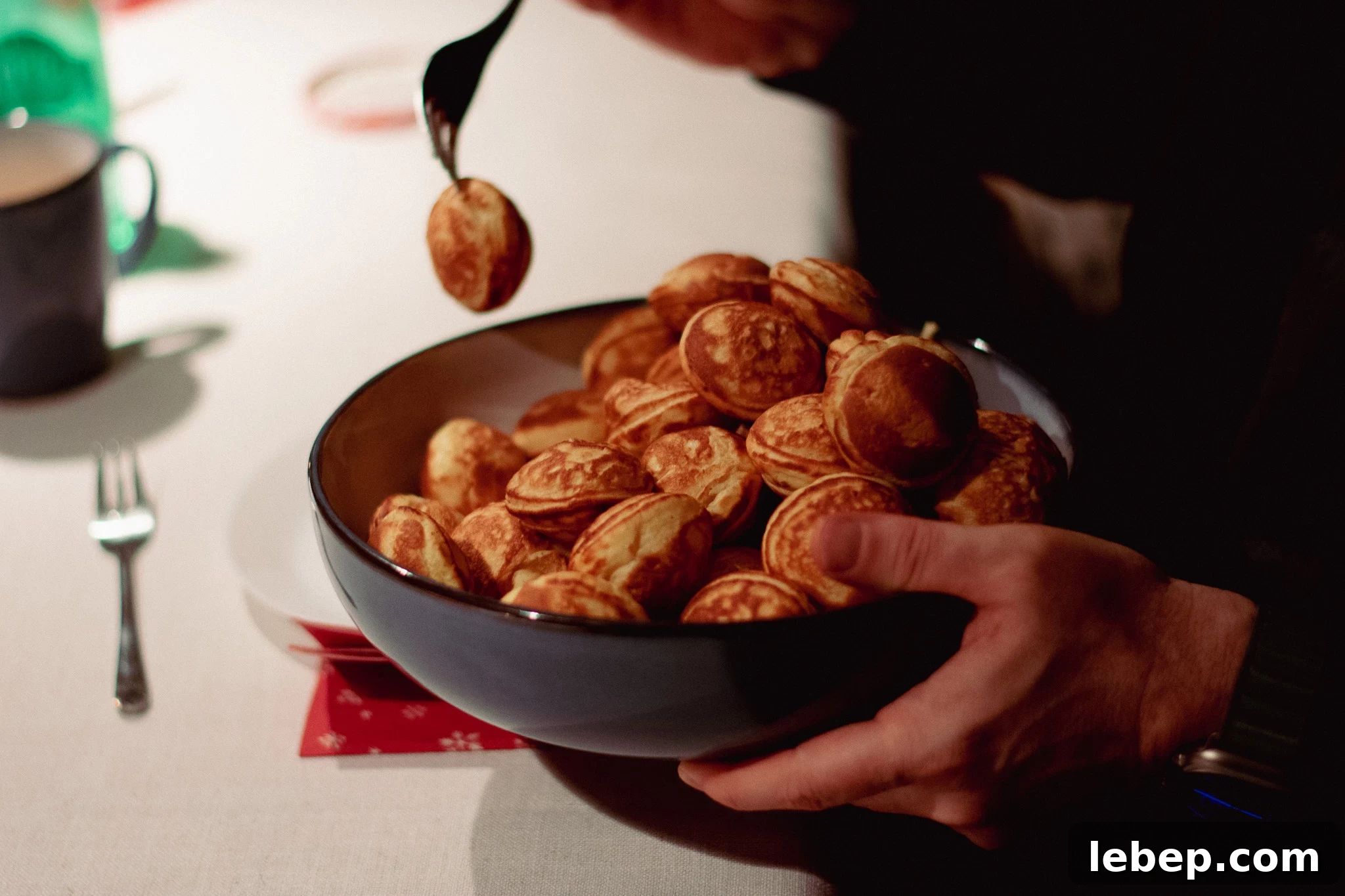
Mid-December is prime time for small gatherings where gløgg (mulled wine) and æbleskiver (round pancake puffs) are served. Gløgg is a warm, spiced drink perfect for cold evenings and can be made with red or white wine or made alcohol-free. Æbleskiver are cooked in a special pan with round indentations and turned as they cook until golden spheres form — they’re best served with powdered sugar and jam. These treats create instant hygge and are staples at many Danish holiday parties.
Christmas Cookies
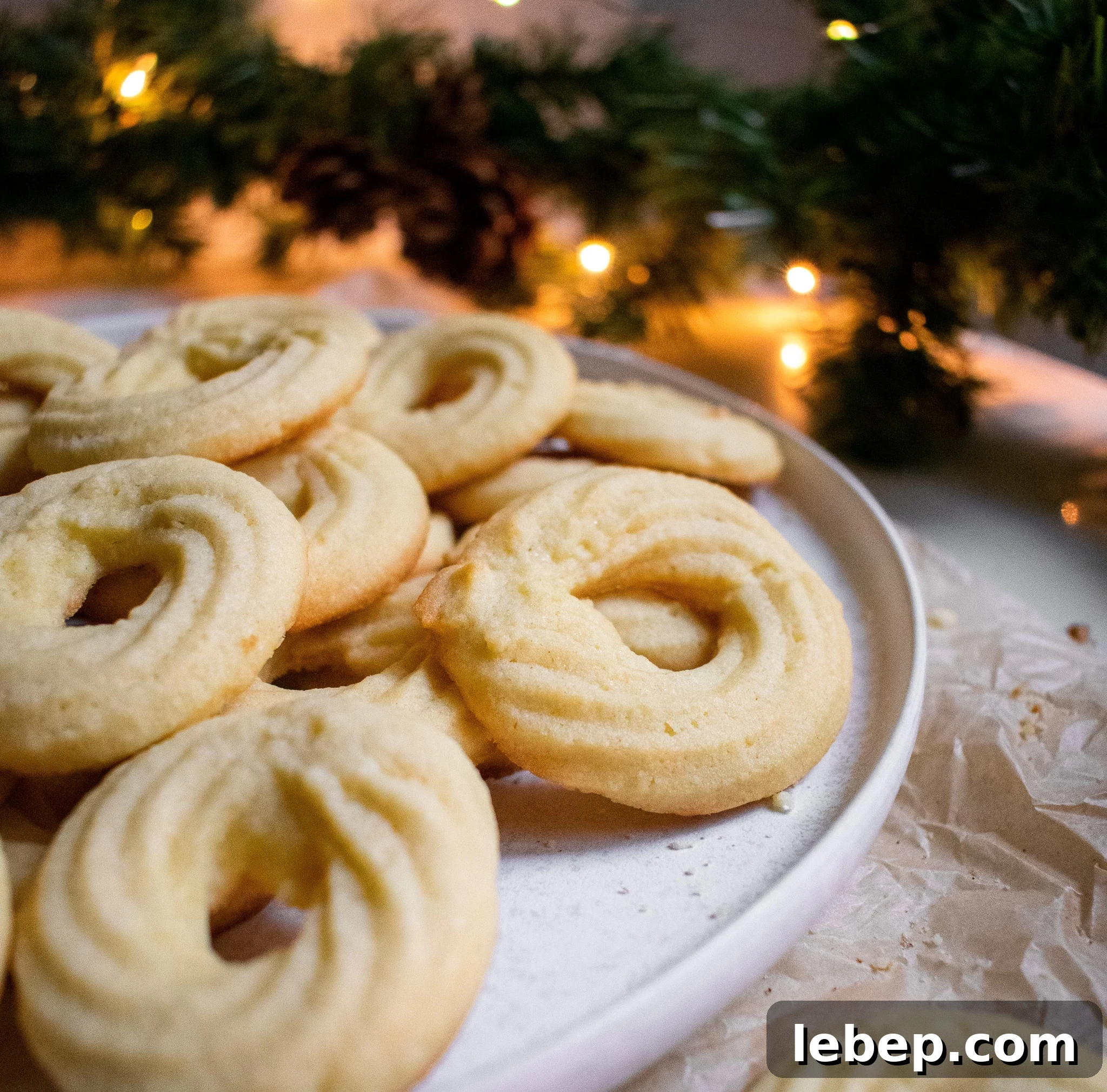
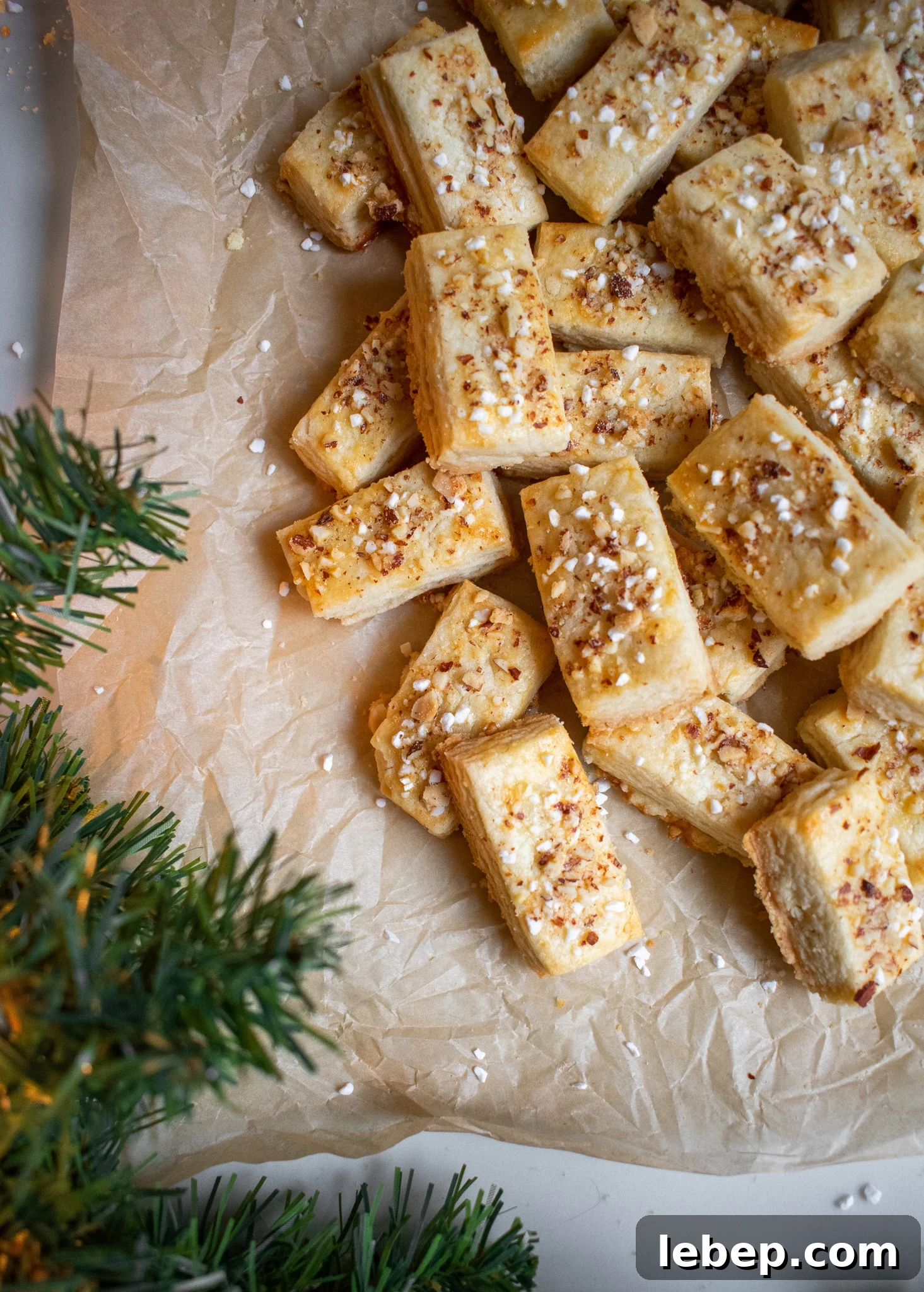
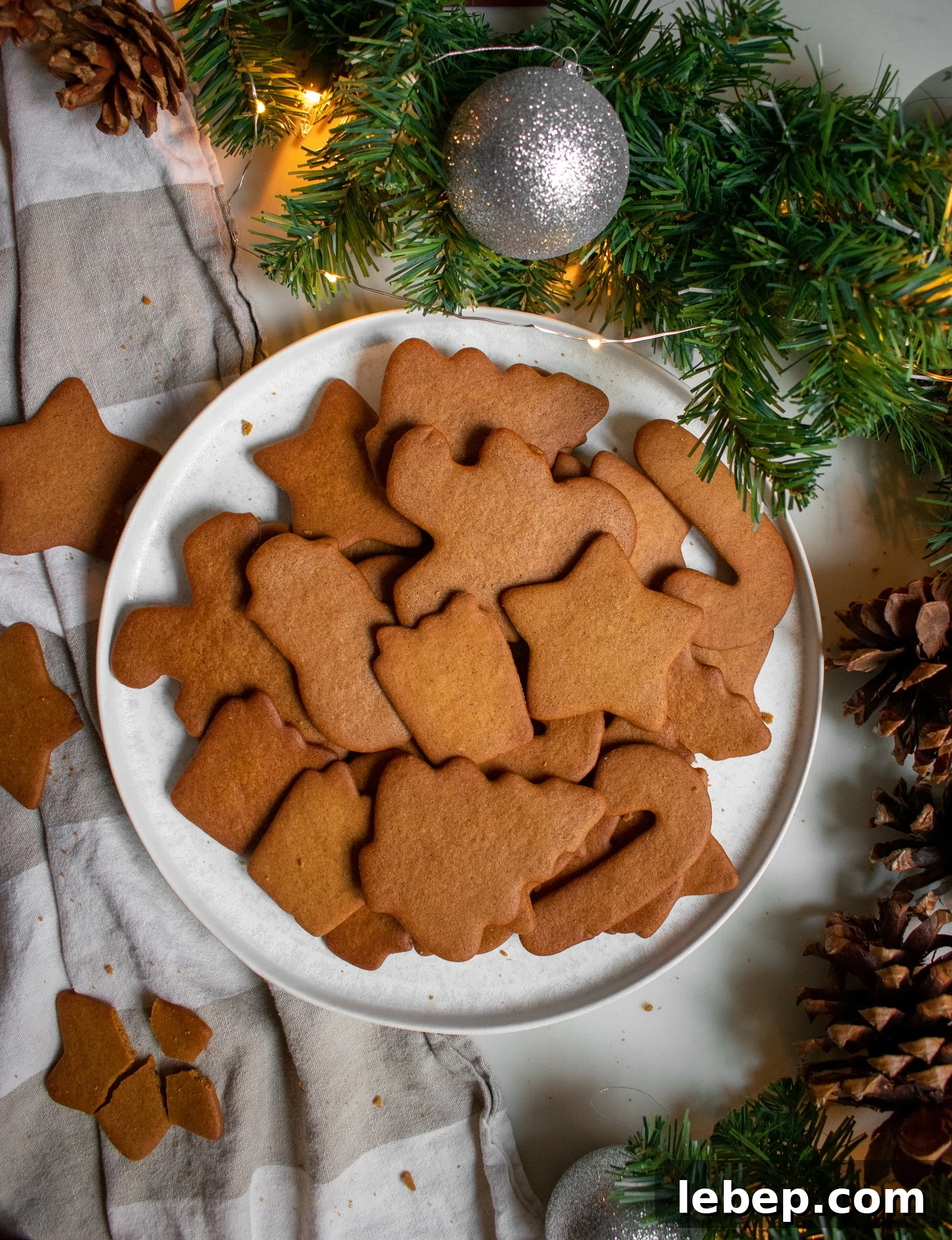
Baking Christmas cookies is a mid-December favorite. Danish households often make a variety of traditional cookies and store them in tins to enjoy throughout the season. Baking with friends or family is a festive activity that pairs perfectly with gløgg and æbleskiver, and homemade cookies add a delicious, cozy touch to holiday gatherings.
The Late December Traditions
Late December is the heart of the season: Lillejuleaften, Juleaften, and the family gatherings that follow. This is when many of the month’s traditions come together for the main celebration.
December 23: Lillejuleaften
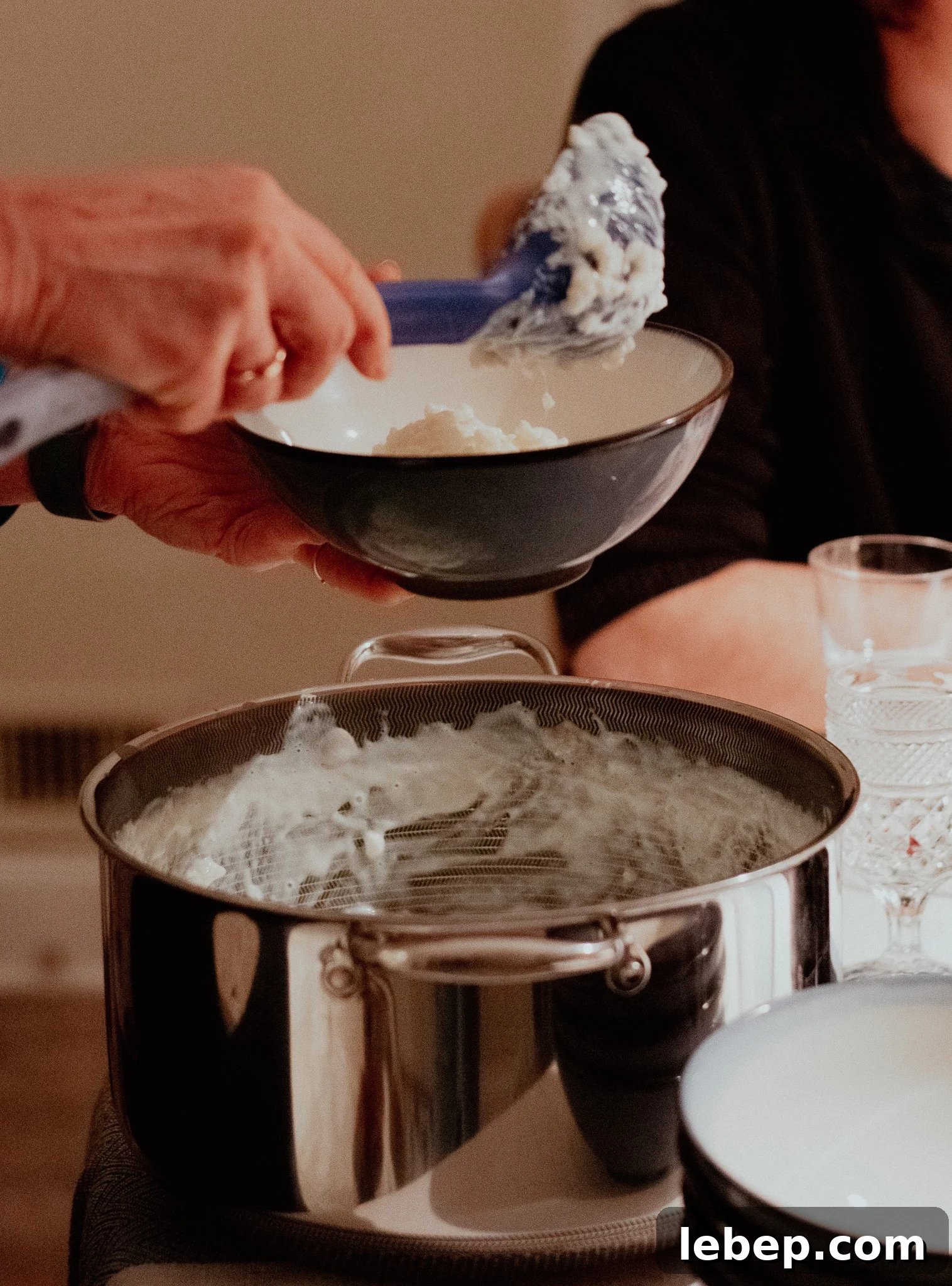
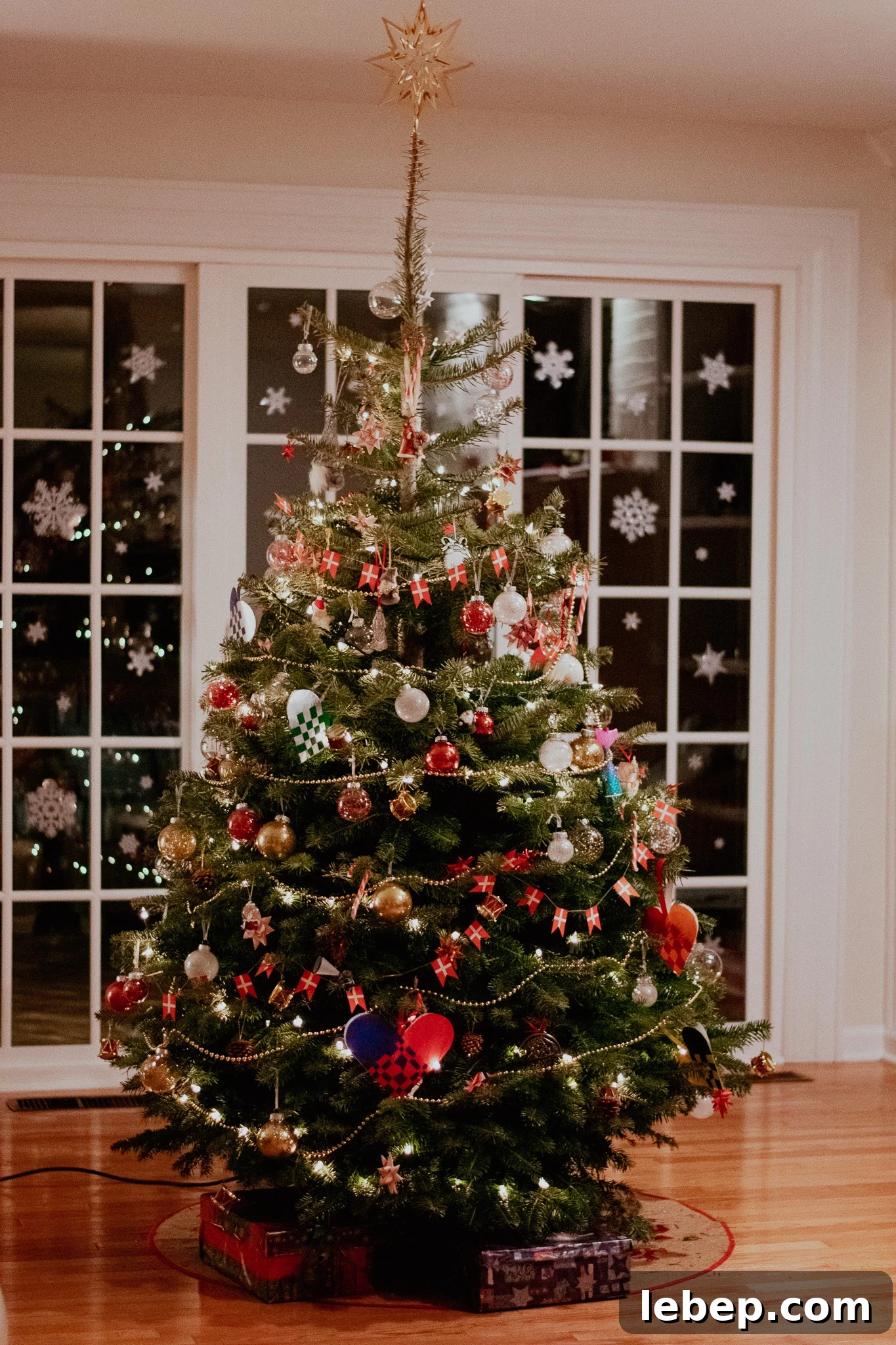
December 23rd, Lillejuleaften (Little Christmas Eve), is often when families finally bring in and decorate the tree. It’s also traditional to cook risengrød (rice porridge) for dinner — a simple, comforting dish served with butter and cinnamon sugar. The risengrød is also used to appease the family nisse: leaving a bowl of porridge and a beer in the attic on the 23rd ensures the nisse will be pleased and likely reward the household the following day.
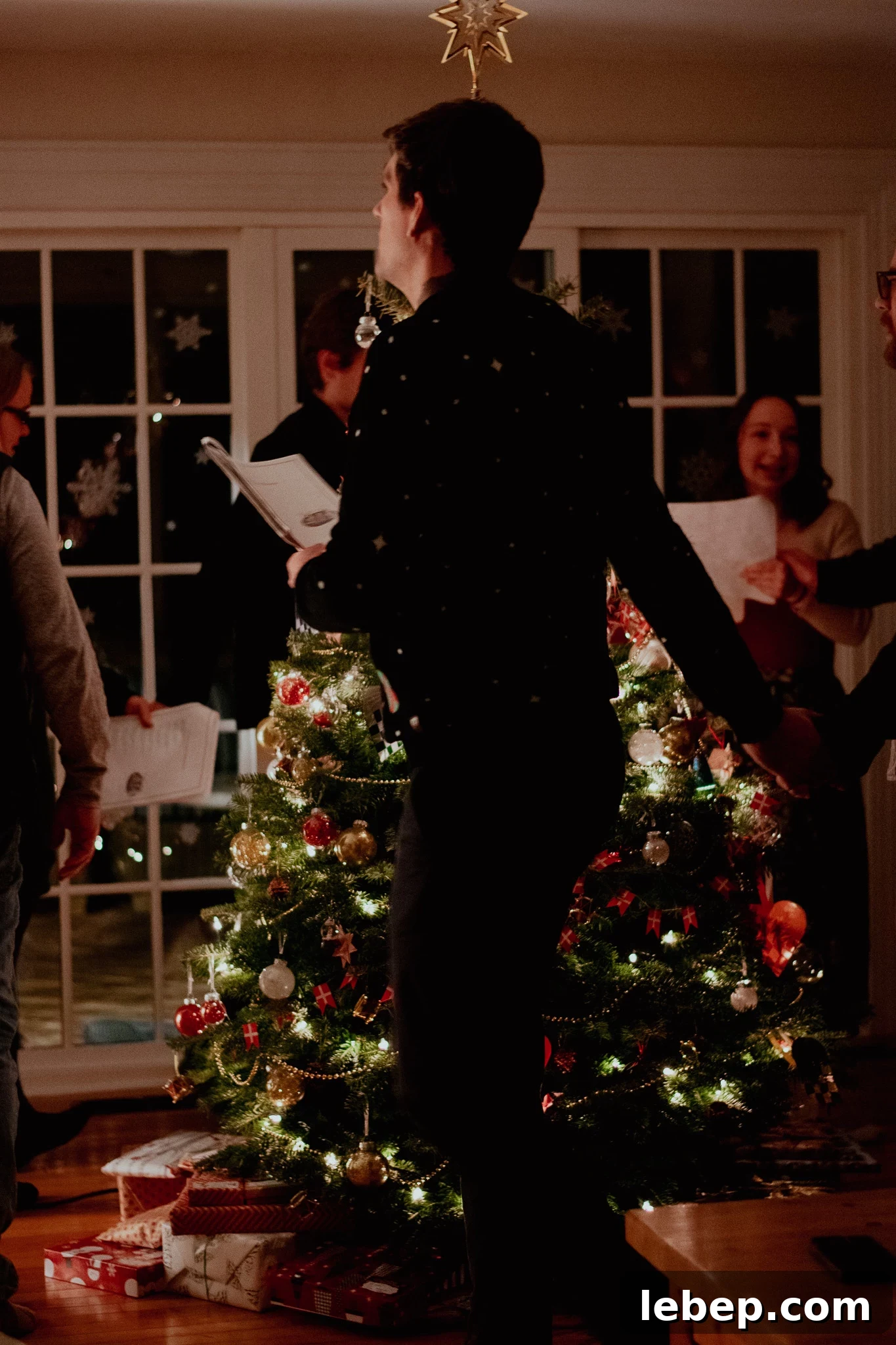
December 24: Juleaften
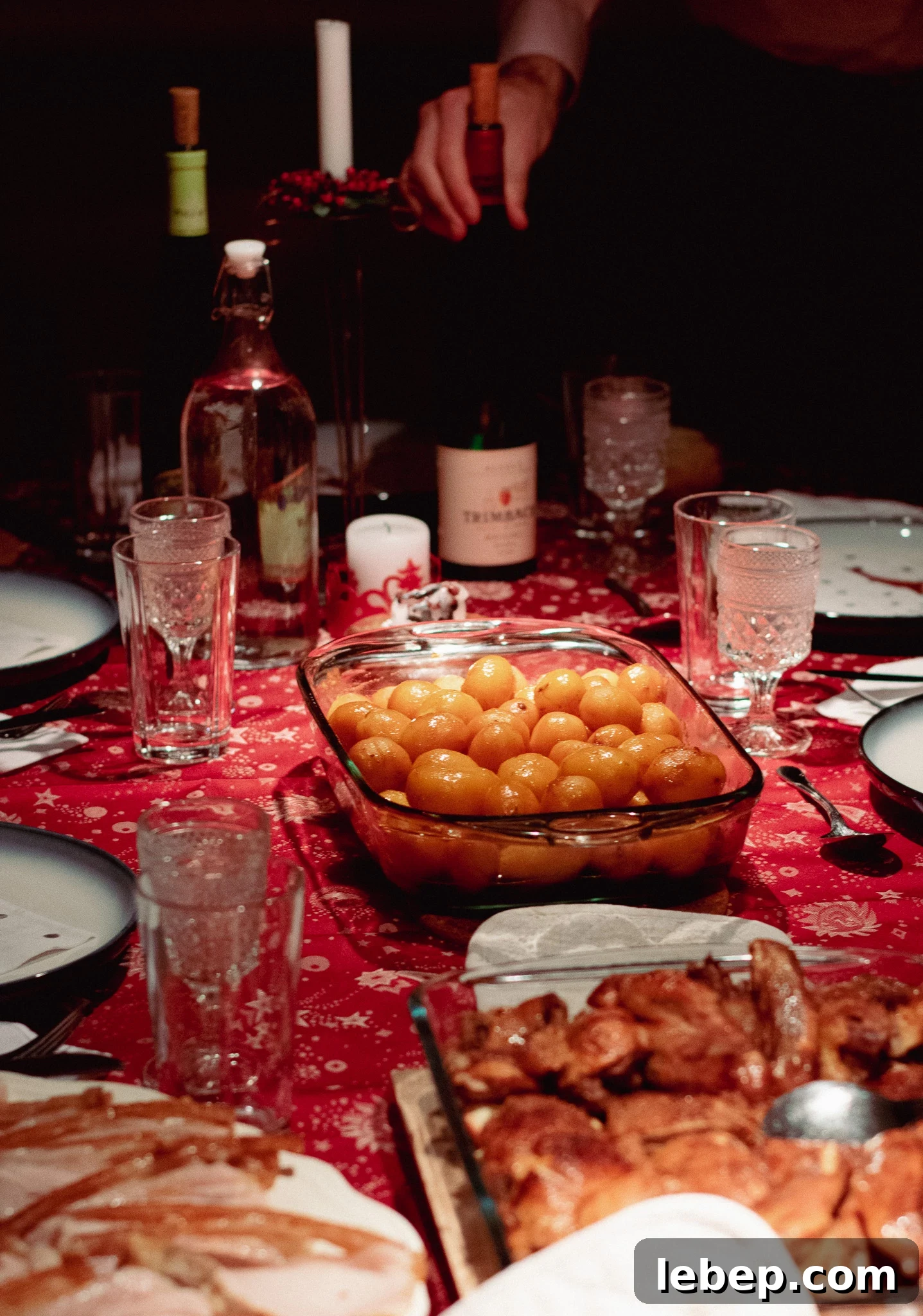
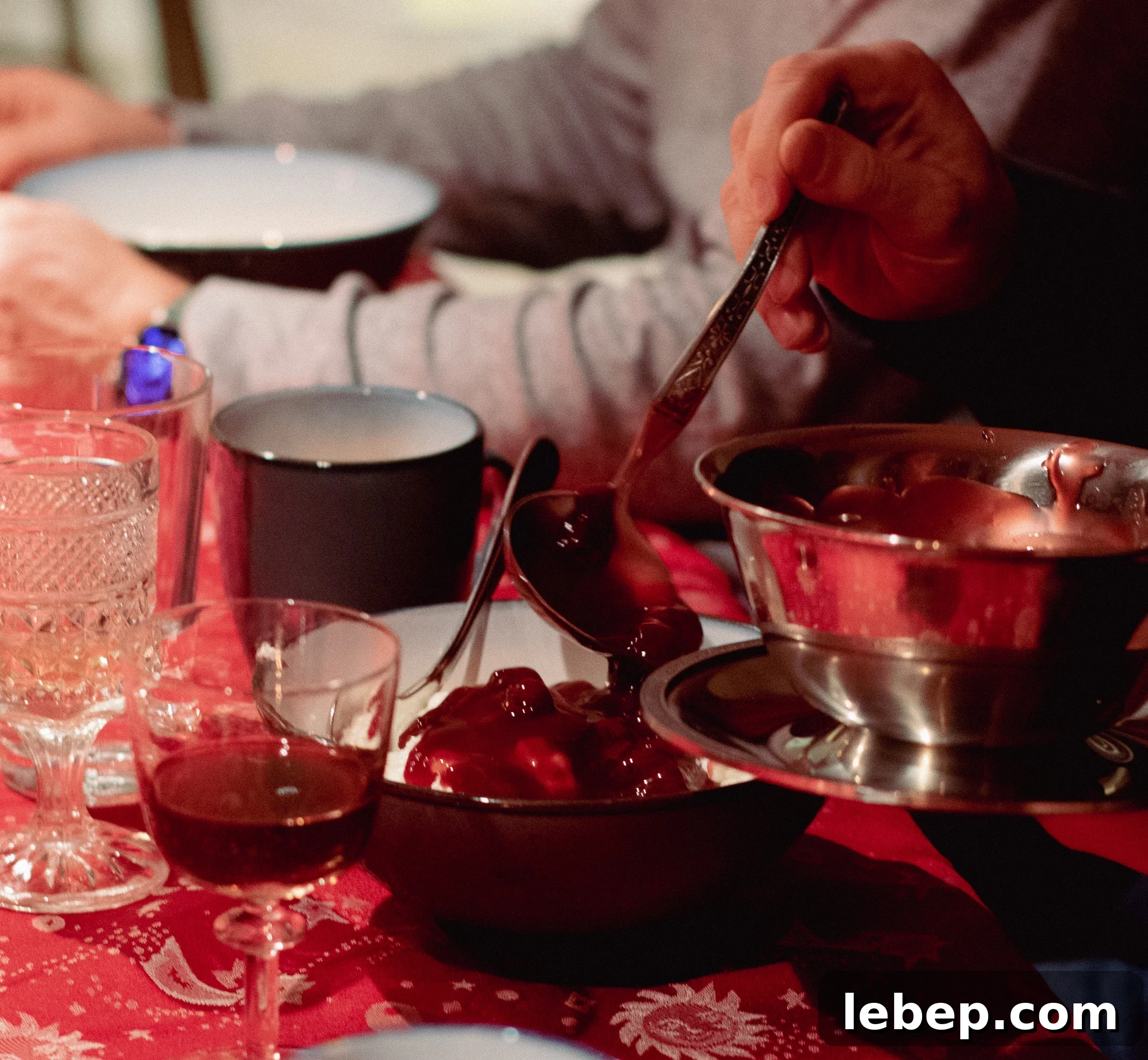
Christmas Eve, Juleaften, is the main event in Scandinavian tradition. The day is spent preparing food and wrapping gifts before a large family dinner. Typical dishes include roast pork, roast duck with apples and prunes, boiled potatoes, caramelized potatoes, pickled red cabbage, and plenty of gravy. Dessert is often risalamande, a rice pudding with chopped almonds and warm cherry sauce; one whole almond is hidden in the pudding, and the person who finds it wins the almond gift, often a small present like a board game.
After dinner, families tidy up and gather around the tree to sing Christmas carols, often holding hands as they circle the decorated tree. Singing together — even if no one is musically talented — creates a warm, silly, and memorable moment. Gifts are then exchanged, usually opened one by one, and the evening stretches late into the night with sweets, cookies, and family conversation.
Thanks for Reading!
And just like that, Christmas is over until next year. We hope you enjoyed this overview of Danish Christmas traditions. They may seem quirky, but they bring warmth, togetherness, and a lot of cheer. If anything here inspired you, feel free to try a tradition at your own celebration. Leave a comment if you have questions or want to share your favorite holiday customs — we’d love to hear from you!