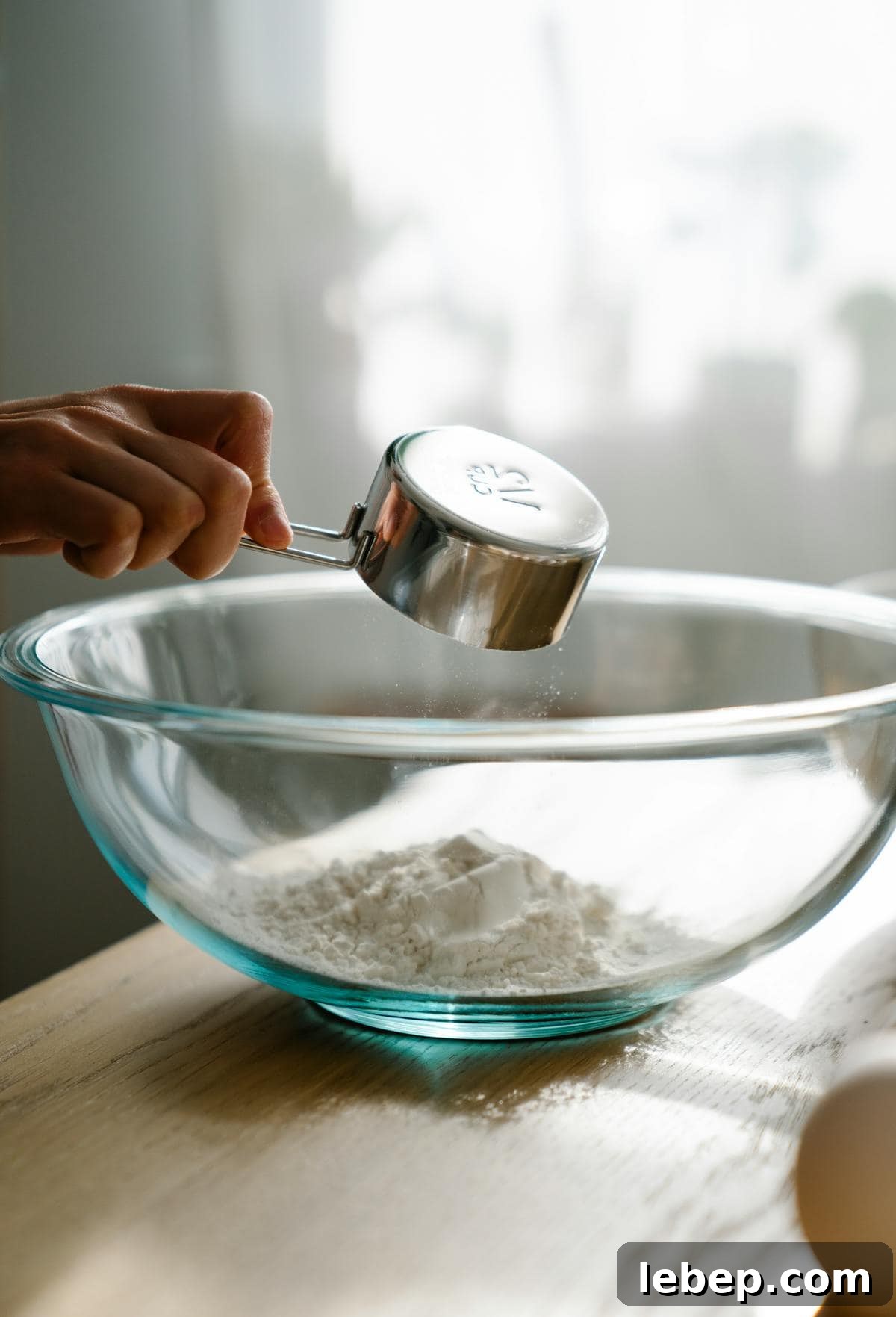
Cooking and baking often trip up home cooks because measurements and conversions can feel confusing. Whether you’re dealing with teaspoons, tablespoons, cups, pints or quarts, knowing a few basic rules and techniques makes working with ingredients far easier. Below are practical tips to help you convert and measure accurately so your recipes turn out as intended.
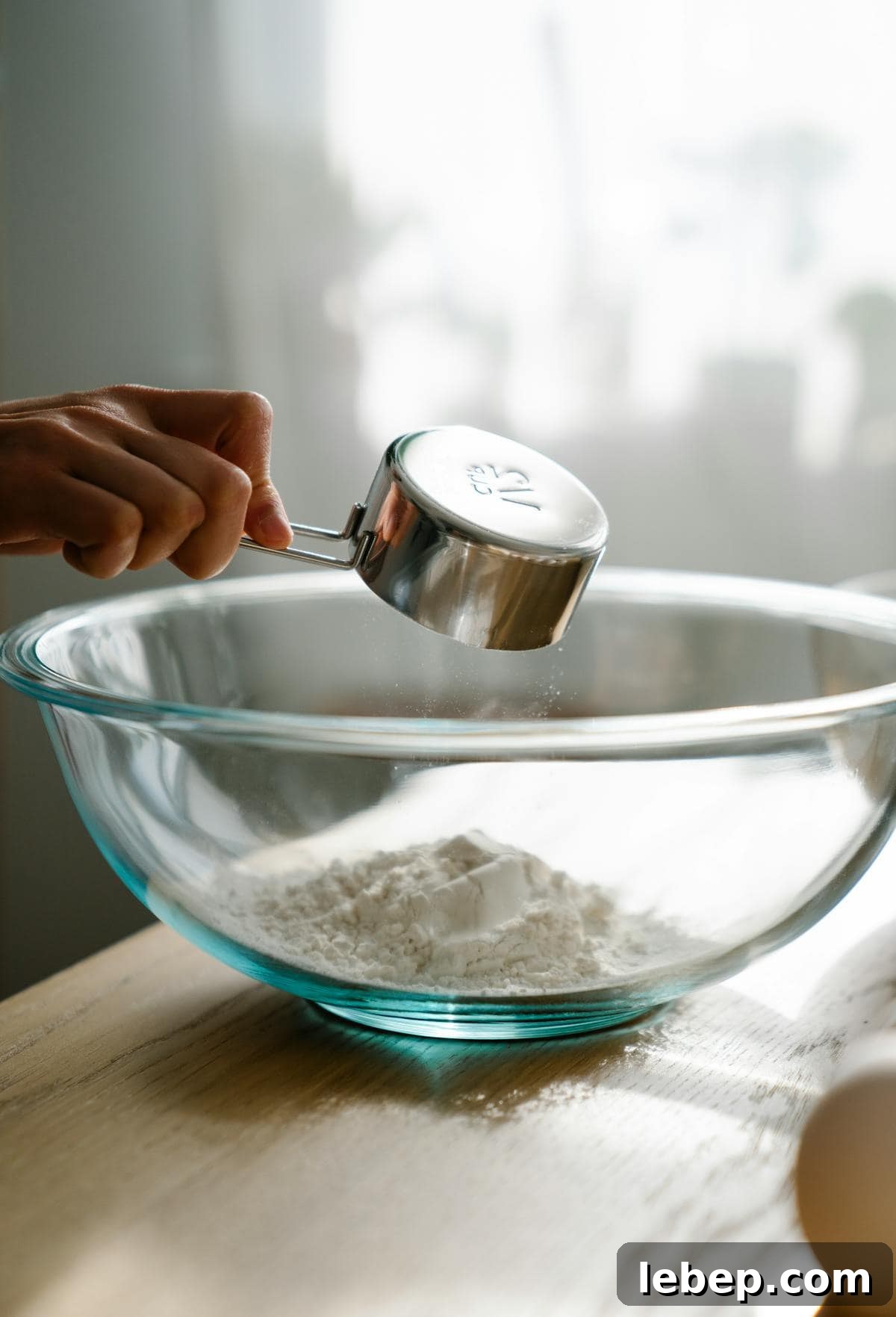
Converting common cooking measurements
If you need to double or halve a recipe, or simply want a quick way to translate between measures, learning a few simple relationships helps. Many online recipe cards will adjust ingredient amounts automatically when you change servings, but printed recipes and family hand-me-downs require a little mental math or a quick reference.
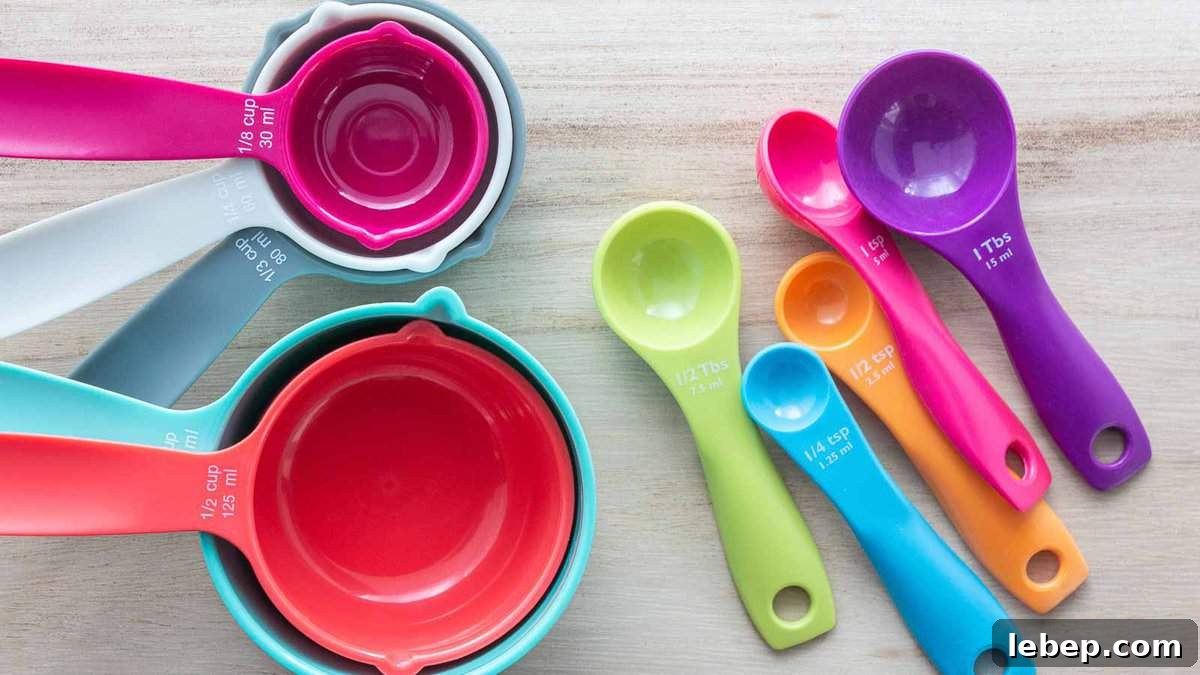
One easy mnemonic is “3 Ts make a B,” meaning 3 teaspoons equal 1 tablespoon. Beyond that, many standard U.S. measurements relate by factors of four, which simplifies conversions. Useful relationships include:
- 4 tablespoons = 1/4 cup.
- 8 tablespoons = 1/2 cup.
- 16 tablespoons = 1 cup.
- 4 cups = 1 quart.
- 4 quarts = 1 gallon.
Liquid vs. dry ingredients
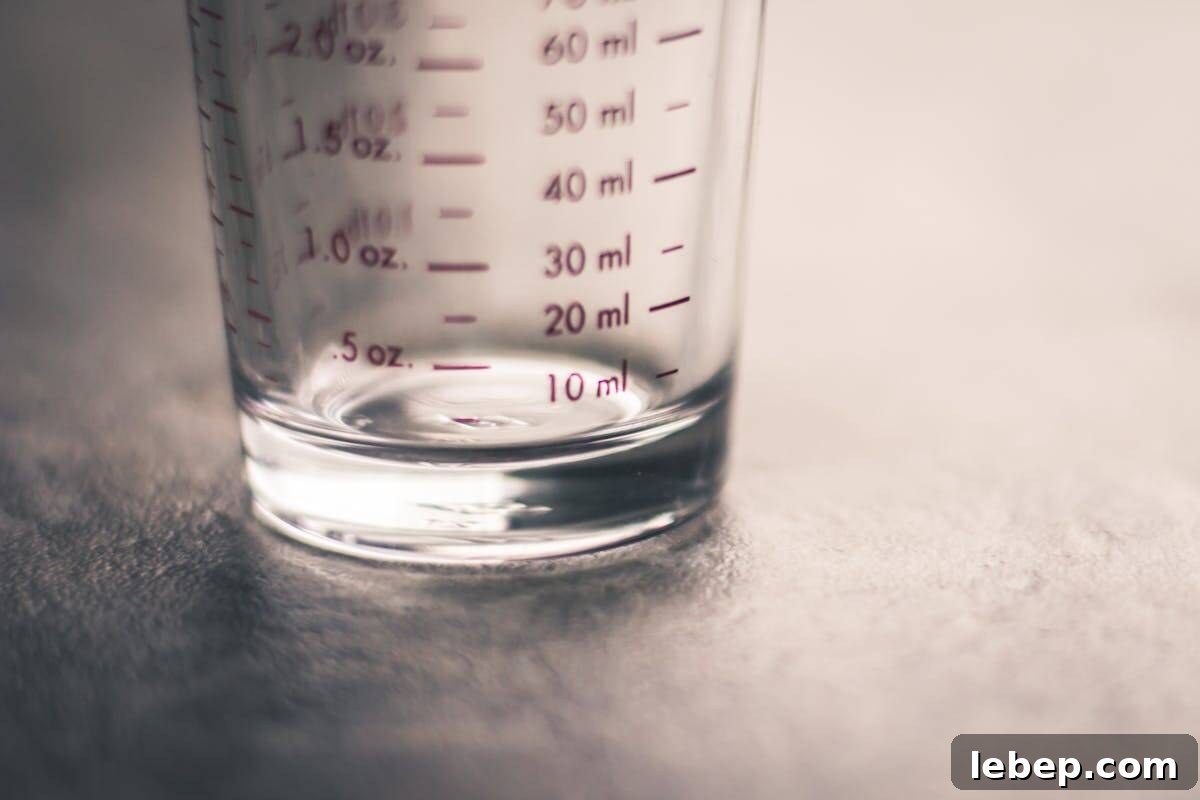
Although many cooks use the same tools for liquid and dry ingredients, how those ingredients are expressed in recipes can differ. Fluid ounces are commonly used when describing liquids: 8 fluid ounces equals 1 cup. So 16 fluid ounces means 2 cups or 1 pint. Two pints make a quart, and four quarts make a gallon. Remembering a phrase such as “a quart is a quarter of a gallon” can make these conversions easier to recall.
Ounces also relate to pounds: 16 ounces equal 1 pound. That means 2 cups of water or stock weigh about 16 ounces (one pound) on a scale, assuming no container weight. This ounces-to-pounds relationship is also handy when buying meat: a quarter-pound is 4 ounces, a half-pound is 8 ounces, and so forth.
Differences in measuring liquids vs. solids
Liquids and dry ingredients behave differently in measuring tools. Liquids settle to a flat level and are best measured in a clear liquid measuring cup with markings, read at eye level. Powders and granular ingredients can compact or aerate, so technique matters: fluff flour with a fork, spoon it into a dry measuring cup, then level it off with a straight edge without packing it down. Measuring spoons work for small amounts of either type, but be careful to avoid spills and always level dry spoons for accuracy.
Avoid using drinking glasses or serving spoons as substitutes for proper measuring tools; they don’t provide reliable, consistent amounts.
European and metric measurements
European recipes typically list ingredients by weight (grams), while American recipes usually use volume (cups, tablespoons). Because different ingredients have different densities, the same volume can weigh very differently, so there is no one-size-fits-all volume-to-weight conversion.
Many cooks keep conversion charts or printable cheat sheets in the kitchen to translate grams to cups or ounces for common ingredients. A magnetic chart on the fridge or a small printable reference tucked inside a cabinet can save time and reduce the need to pull up conversions on a phone while cooking.
Converting grams to cups or ounces
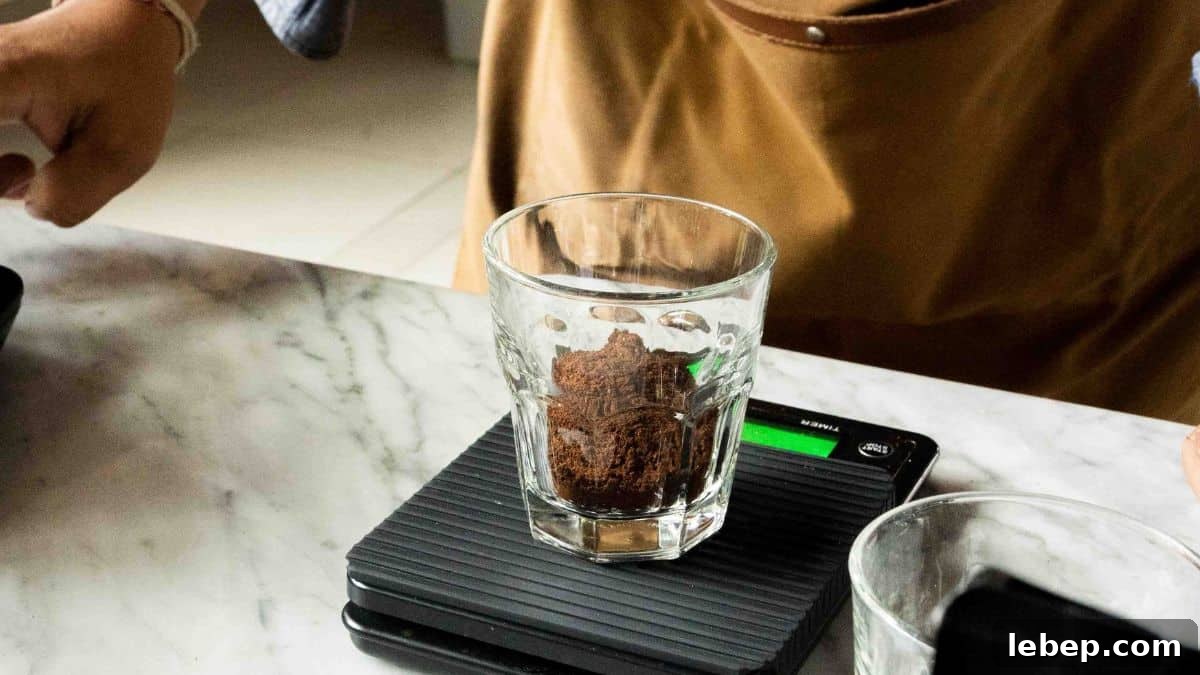
Because density varies by ingredient, grams-to-cups conversions are ingredient-specific: 100 grams of flour does not occupy the same volume as 100 grams of sugar. The most reliable approach is to use a digital kitchen scale when a recipe provides weights. Scales remove guesswork and produce consistent, repeatable results, especially important for baking.
Best practices for consistent results
To keep results consistent, stick with one measurement approach throughout a recipe whenever possible. Use liquid measuring cups for liquids and dry cups or spoons for dry ingredients, practice proper fluff-and-level techniques for powders, and prefer a digital scale for the most accurate measurements. With a few simple rules and a small set of tools—a clear liquid measuring cup, dry measuring cups and spoons, and a kitchen scale—you can simplify conversions and improve consistency in both cooking and baking.