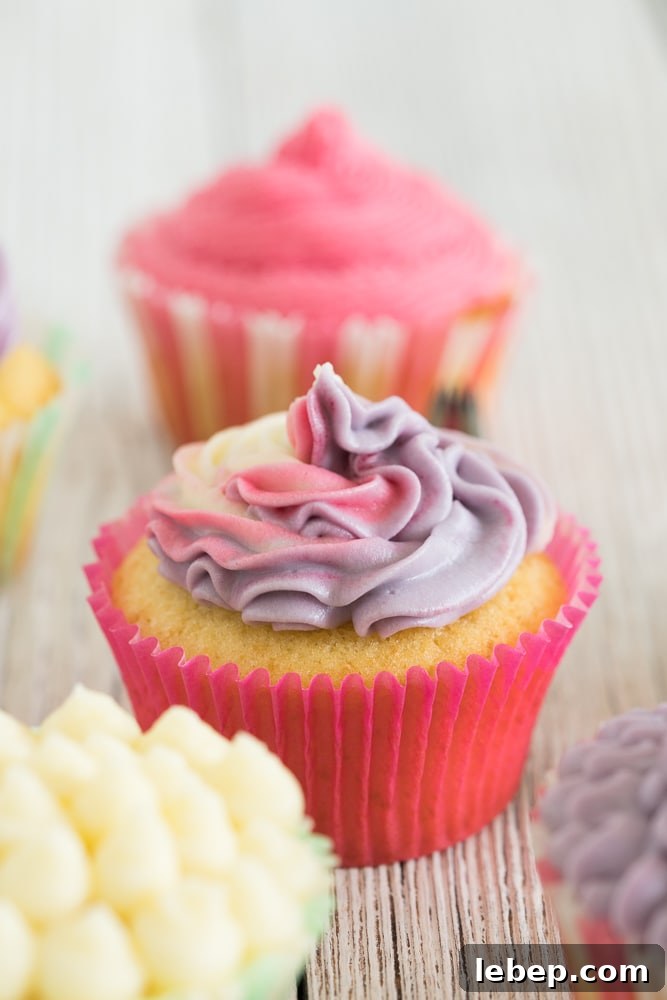
Hello! Looking for a simple, reliable cupcake recipe? This fail-safe basic cupcake batter yields tender, attractive cupcakes that taste great. Use it as a foundation to create all sorts of variations—chocolate, vanilla, fruity, nutty or spiced—it’s very flexible.
Below you’ll find clear instructions, useful tips and troubleshooting advice to help ensure success every time. If you prefer more specialized versions, you can adapt the base batter with different flavors and frostings to make each batch unique.
The Perfect Cupcake Batter
A great cupcake batter is both airy and moist, with a neutral flavor so the frosting can shine. This basic batter is a classic sponge-style mixture. Unlike many muffin recipes where you barely mix dry and wet ingredients, these cupcakes benefit from a bit more thorough mixing to give them a fine crumb.
From this base you can make vanilla cupcakes, chocolate cupcakes or add spices like cinnamon, lemon or orange zest. The result should be a soft, even crumb that pairs well with any topping.
Essential Cupcake Ingredients
These cupcakes are made from simple pantry staples: soft butter at room temperature (or margarine), sugar, eggs, all-purpose flour, baking powder and a pinch of salt. Add a liquid such as milk, cream or fruit juice, and optionally cocoa, nuts or spices to change the flavor.
For a classic frosting you can use a cream cheese-based icing with powdered sugar, or choose buttercream, ganache or another topping to taste.
The Right Preparation
Start by creaming the soft butter with the sugar until very fluffy. Add the eggs one at a time, mixing each in thoroughly. Combine flour with baking powder and salt, then add it to the egg mixture alternately with the milk. Mix just until combined—overmixing can make the cupcakes tough.
Possible Cupcake Variations
The basic batter is easy to adapt: stir in cocoa powder, melted chocolate, chocolate chips or cocoa nibs for chocolate cupcakes. Fold in berries, diced apple or dried fruit for fruity versions. Add chopped nuts or ground almonds for texture. Spices like cinnamon, cardamom or citrus zest bring another dimension.
Special doughs and detailed flavor combinations are available in dedicated cupcake recipes, but this base will handle most additions—just avoid adding too much extra liquid or heavy mix-ins without adjusting proportions.
Aside from the recipe itself, the right bakeware and decorating tools help achieve consistent results and a pretty finish.
The Right Cups
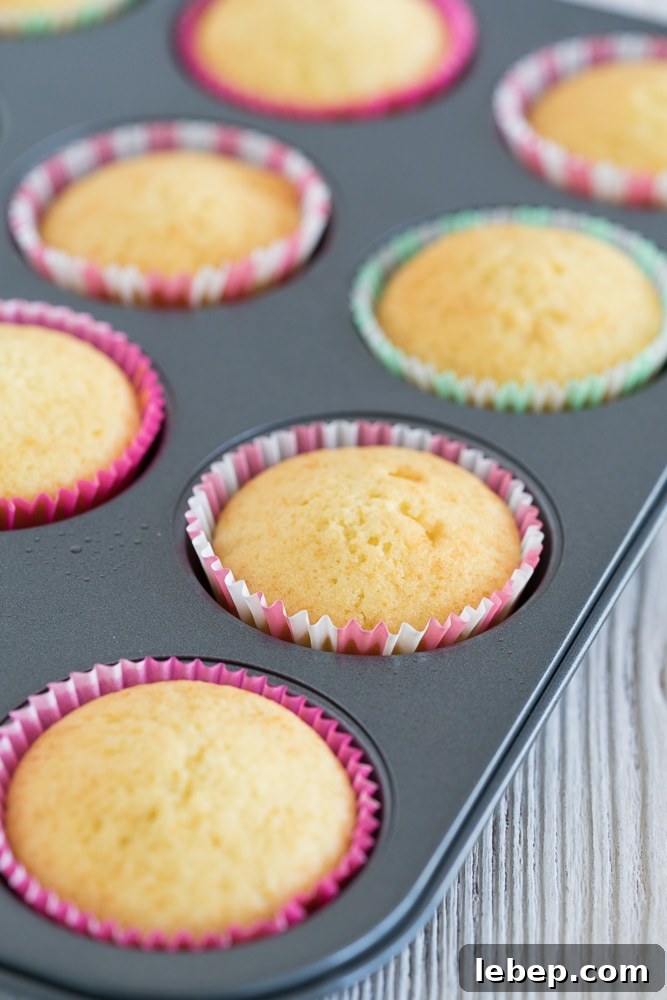
Any standard muffin tin works for cupcakes—regular 12-cup or mini tins—used with paper liners or silicone molds. Paper liners give a classic look but sometimes cling; silicone molds release easily and let you serve cupcakes without liners if desired.
There are also decorative wrappers and non-greasy paper cups in various sizes designed specifically for cupcakes.
Decorating Cupcakes
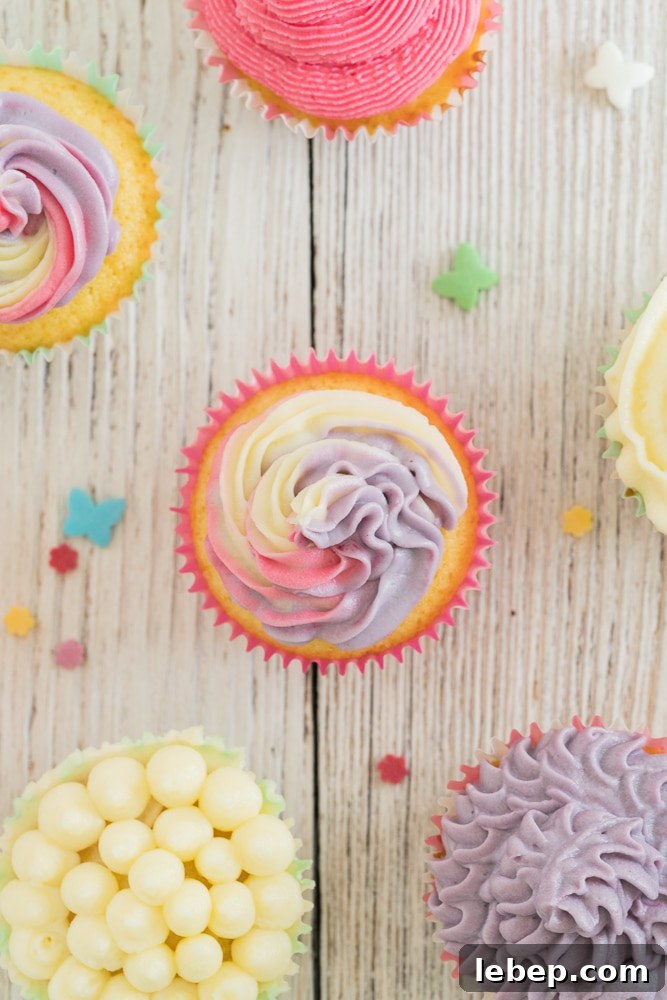
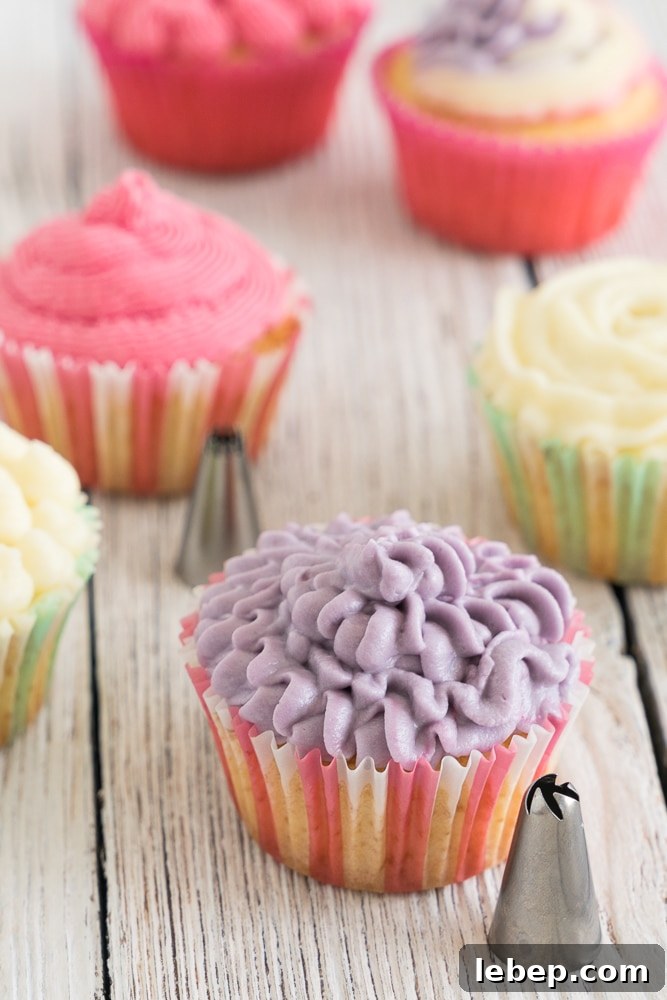
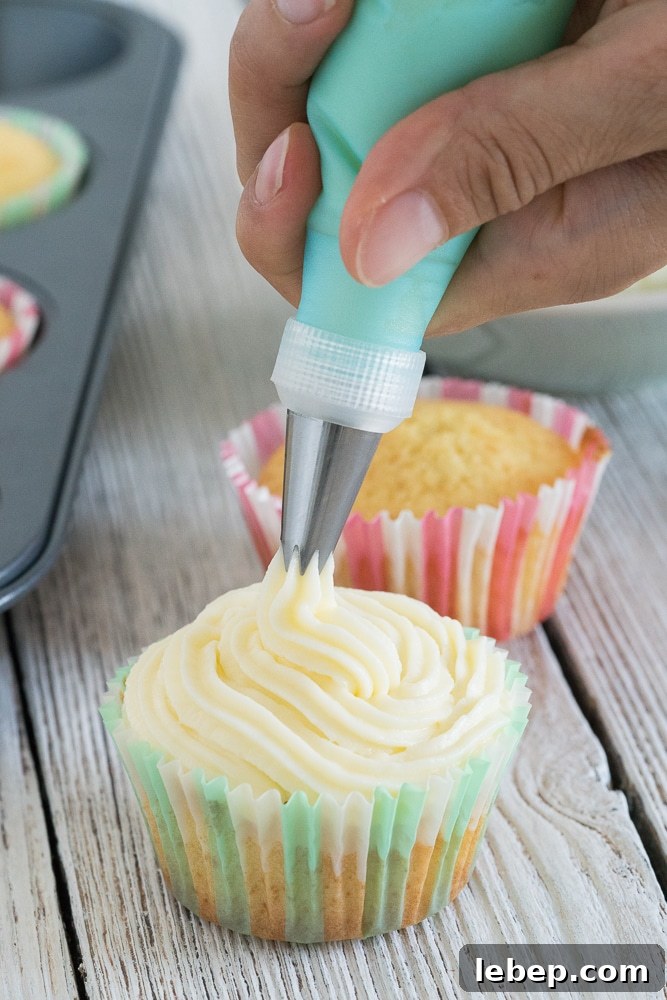
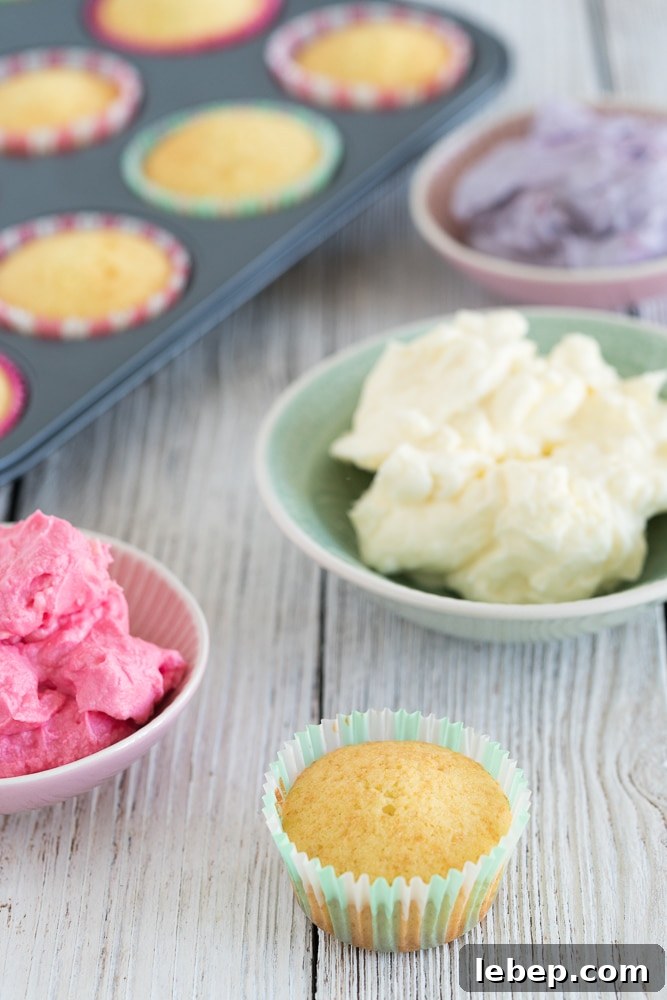
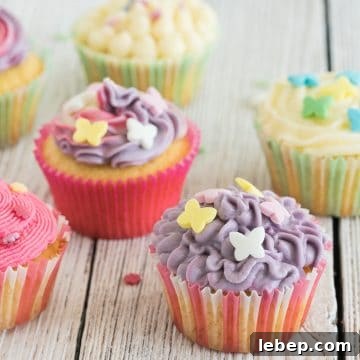
A generous frosting is traditional—buttercream, cream cheese frosting or ganache all work well. You can pipe single-color swirls or multi-colored decorations. Finish with sprinkles, chocolate shavings, chopped nuts or fresh fruit. Important: always cool cupcakes completely before applying the frosting to keep the topping stable.
Storing and Freezing Cupcakes
Freeze cupcakes without the frosting for best results; prepare and pipe the frosting fresh after thawing. Cupcakes with frosting can be stored in a cool place for one to two days depending on the type of topping—frostings with more sugar and butter tend to be more stable. Refrigerate cream-based frostings if needed, and bring back to a spreadable temperature before serving.
Typical Problems and Tips
When you follow the recipe and basic rules, cupcakes are forgiving—but issues can still occur. Here are common problems and how to fix them:
Cupcakes rise or dome too much
Cupcakes collapse
Cupcakes come away from liners
Frosting is too runny
Recipe Card
Basic Cupcake Recipe
Ingredients
For the batter
- 150 grams (¾ cup) butter, soft
- 120 grams (⅔ cup) sugar
- 2 eggs, medium
- 230 grams (1 ¾ cups) all-purpose flour, possibly part cornstarch
- 1 ½ teaspoon (1 ½ teaspoons) baking powder
- 1 pinch salt
- 130 milliliters (⅔ cup) milk, or cream or juice
For the frosting
- 100 grams (7 tablespoons) butter, soft
- 130 grams (1 cup) powdered sugar
- 200 grams (1 cup) cream cheese, creamy
Instructions
-
Preheat the oven to 350°F (175°C). Cream the softened butter and sugar until light and fluffy. Add the eggs one at a time, mixing well after each addition.
-
Whisk together the flour, baking powder and salt. Add the dry mixture to the egg mixture alternately with the milk, stirring until just combined. Adjust the milk slightly if needed—the batter should fall from the spoon but not be runny.
-
Spoon the batter into paper or silicone liners placed in a muffin tray, filling about two-thirds full. Bake for approximately 22 minutes, or until a toothpick inserted into the center comes out clean. Allow cupcakes to cool completely.
-
For the frosting, beat the softened butter with powdered sugar until light. Add cream cheese by spoonfuls and mix until smooth. If the frosting seems soft, chill it briefly before piping onto cooled cupcakes.
Notes
- To make chocolate cupcakes, fold in chocolate chips or shavings, or replace a portion of the flour with 2 tablespoons of cocoa powder (reduce flour accordingly).
- For vanilla cupcakes, substitute some sugar with vanilla sugar and add vanilla bean pulp or extract.
- Add spices or zest—lemon, orange, cinnamon, etc.—to change the flavor profile.
- Fold in fresh berries or small apple pieces gently for fruity cupcakes.
- Other suitable toppings include buttercream, chocolate ganache or a chocolate-cream-cheese frosting.
Ingredient substitutions
If you need to swap ingredients, consult substitution guides for appropriate equivalents and adjustments.