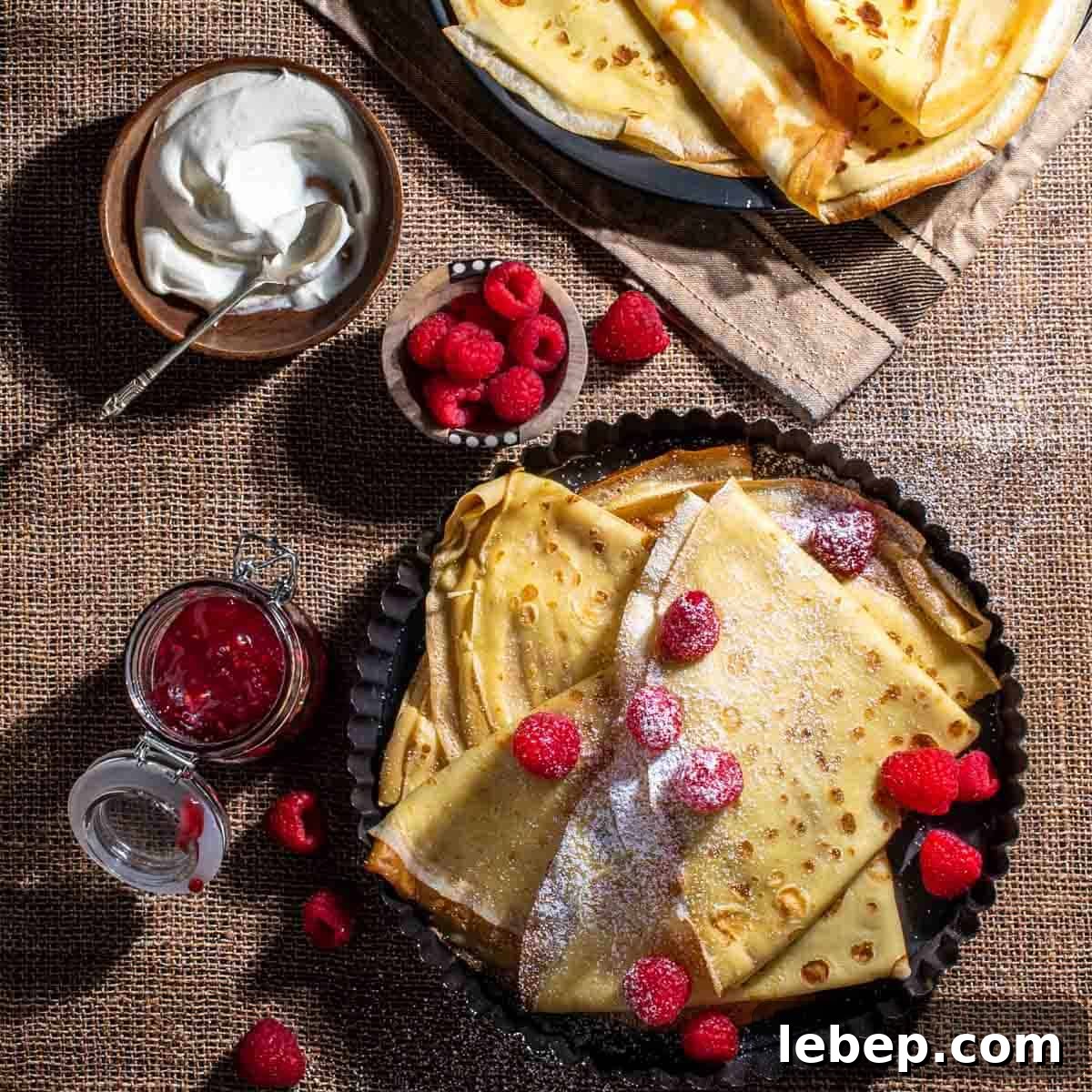
An epicurean adventure to: Denmark
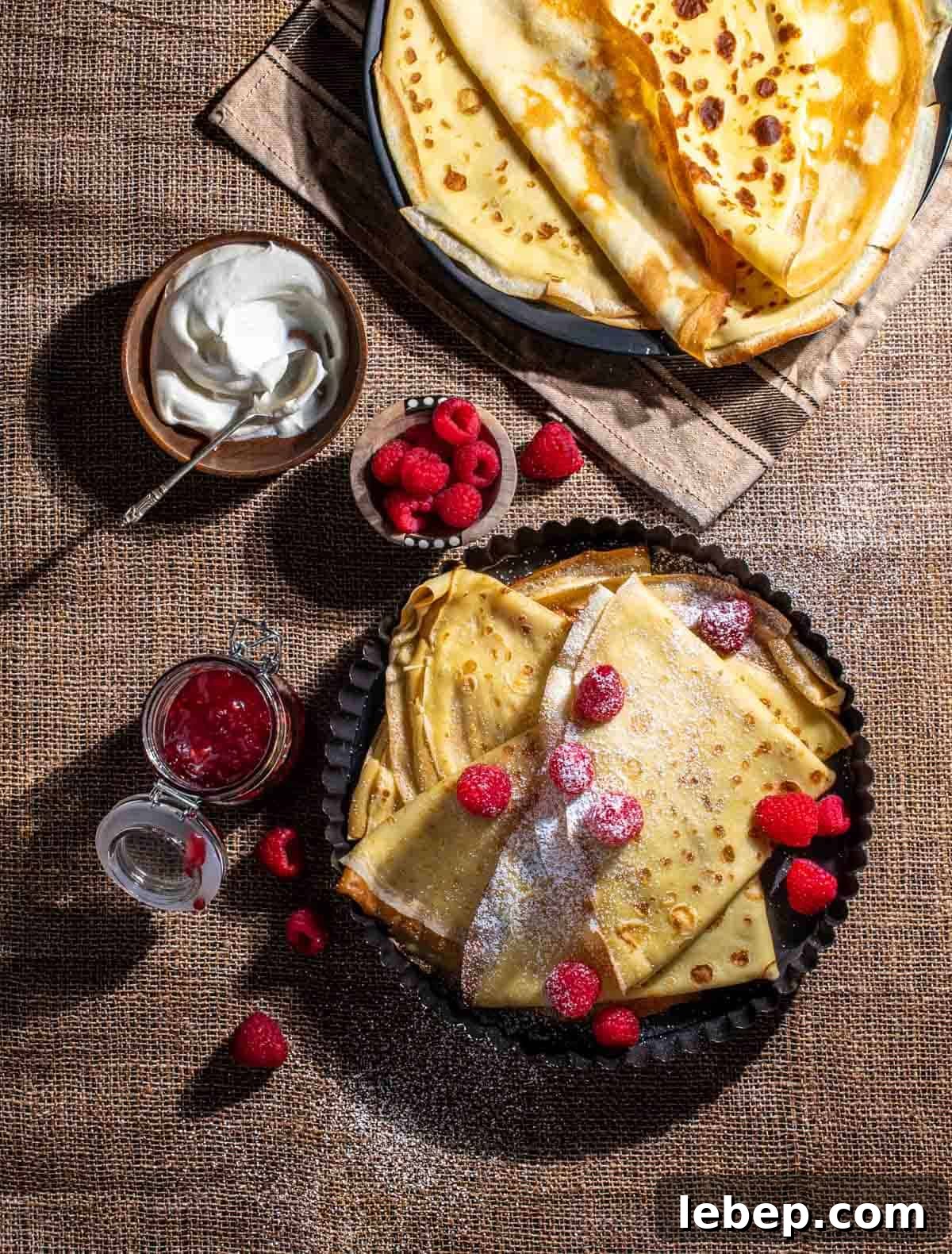
Tantalize your taste buds with a classic Danish treat: Pandekager, the thin, crispy-edged pancakes that are Denmark’s answer to crêpes. These delicate pancakes contain no leavening agents and are best when cooked very thin so the edges turn crisp.
Pandekager are enjoyed across Denmark for breakfast, brunch or dessert. Many families have handed-down recipes, and this version uses oil in the batter to make flipping easy and to prevent sticking.
Fast facts – Denmark

| Location | Denmark sits in Northern Europe as the southernmost of the Nordic countries, bordered by Germany and with a long coastline along the North and Baltic Seas. |
| Language | The official language is Danish, a North Germanic language. Many Danes also speak English and German, with smaller communities speaking Greenlandic, Faroese and other minority languages. |
| Population | About 5.8 million people. |
| Trivia | Denmark is home to one of Europe’s oldest monarchies, tracing its roots back to the Viking Age. Today the monarchy is constitutional, with a mostly ceremonial role. |
Key ingredient notes and substitutions
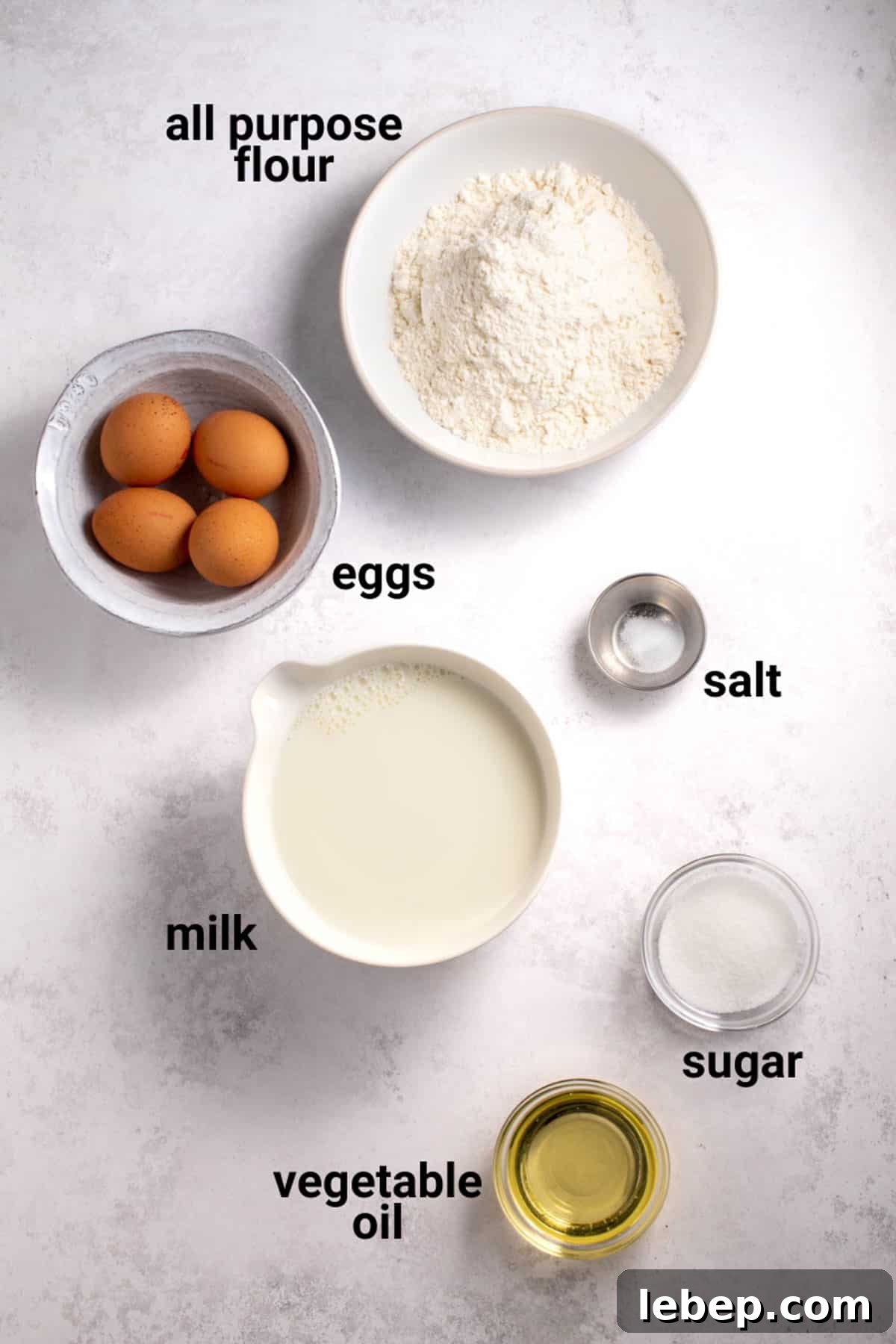
All-purpose flour
Use plain all-purpose flour so the pancakes remain thin and do not rise like typical fluffy pancakes.
Salt
The recipe calls for ¼ teaspoon. Increase to ½ teaspoon if you prefer a slightly savoury note—adjust to taste.
Milk
Semi-skimmed milk works well. You may substitute full-fat, skimmed milk or an unsweetened plant milk like almond if desired.
Vegetable oil
Oil in the batter prevents sticking and helps you flip pancakes easily. You’ll also need a few drops on kitchen paper to lightly grease the pan.
Eggs
Room-temperature eggs mix more smoothly, but cold eggs from the fridge will work too.
Optional
Add a pinch of cardamom, a teaspoon of vanilla sugar or a splash of vanilla extract for extra aroma.
About the frying pan
A non-stick pan with a flat bottom and low sides is ideal. A crêpe pan (10–12 inch) makes flipping easier, but a regular frying pan works too—add a little more oil if it isn’t non-stick.
Top tip: A crêpe pan is a handy addition to your kitchen and makes flipping thin pancakes much simpler.
Why you should not be afraid to bake pancakes – Tips and tricks
Making pancakes can feel daunting at first, but with a few simple tips you’ll gain confidence quickly.
- Start with a reliable recipe that includes oil or butter—this helps prevent sticking.
- Use a good non-stick pan or a crepe pan with low sides to make flipping easier.
- Work carefully and take your time. For best control, remove the pan from the heat when pouring batter and when flipping.
- If batter leaves holes, simply drizzle a little more batter into the gaps while the pancake is still wet.
- Use a flexible rubber spatula with a slightly bent tip to ease under the pancake. If it still sticks, give it a few more seconds before trying again.
- Mistakes are fine—one or two imperfect flips are part of learning. Once you have the right pan and technique, it becomes effortless.
How to make Pandekager: Step-by-step
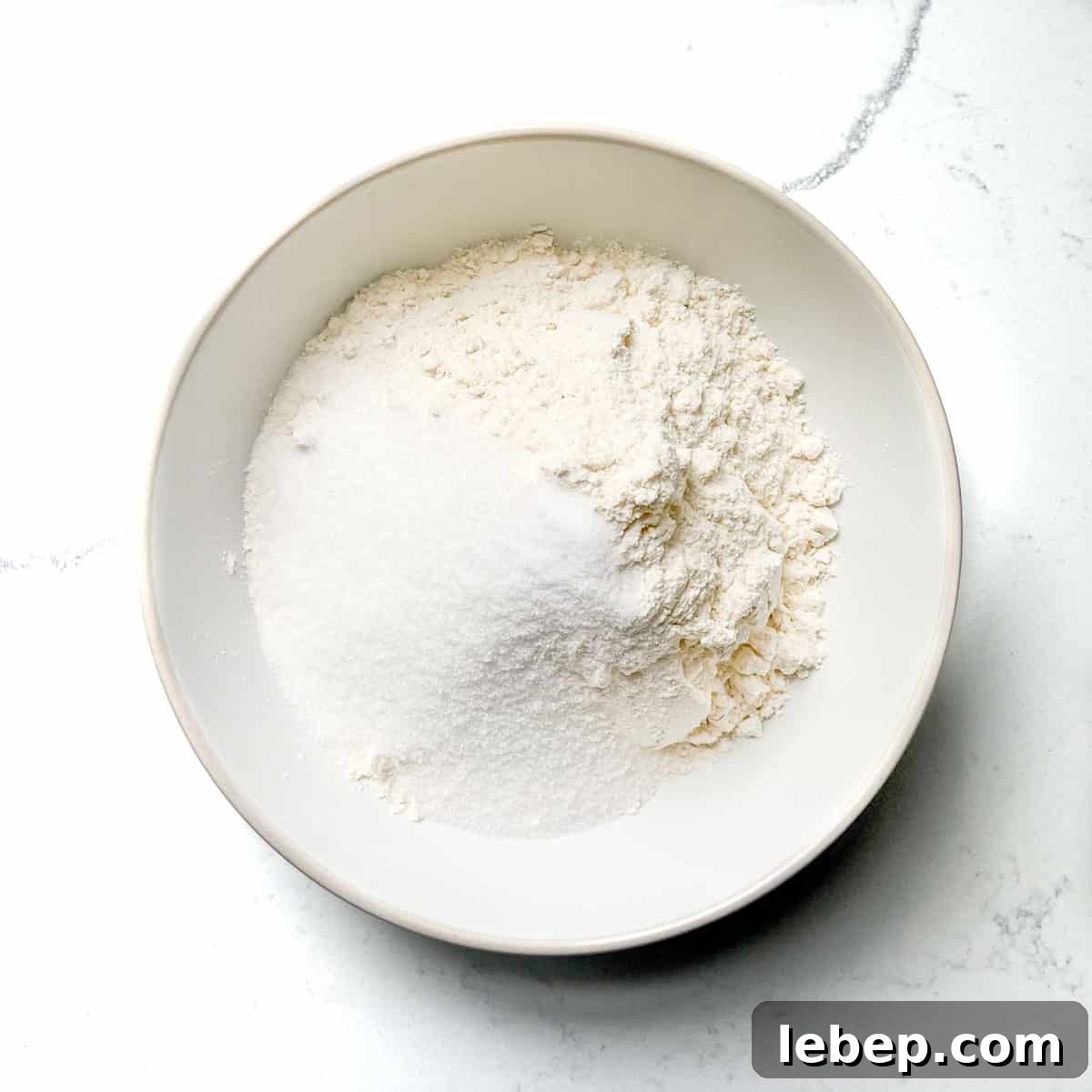
- In a large bowl, whisk together 250 g all-purpose flour, 3 tablespoons sugar and ¼ teaspoon salt.
- Add half the milk (about 312 ml) and all the oil (5 tablespoons / 75 ml) to the dry ingredients and whisk until lump-free.
- In a separate bowl, beat the remaining milk with 4 large eggs.
- Pour the egg-and-milk mixture into the batter and whisk until smooth and thin—by hand or with a hand mixer.
- Put a few drops of oil on kitchen paper and wipe the frying pan lightly to grease it. Keep the paper nearby for touch-ups if needed.
- Heat the pan over medium-low. When hot, pour a ladle of batter into the centre and swirl to cover the surface with a thin layer.
- Cook the pancake 1½–2 minutes on the first side, then flip and cook 30–40 seconds more. Flip when the surface is no longer shiny and the edges look slightly crispy.
- Serve warm with your favourite toppings.
Serving suggestions:
Classic – A dusting of powdered sugar, a pat of butter, or a drizzle of honey.
Sweet toppings – Fruit compote, fresh berries, caramel or chocolate sauce, Nutella, or dulce de leche.
Sweet fillings – Strawberry, raspberry or lingonberry jam.
Savoury fillings – Ham and cheese, sautéed mushrooms, spinach with feta, smoked salmon and cream cheese, chicken mayo or scrambled eggs.
Danish apple pancakes – Top with thin cooked apple slices, cinnamon and a sprinkle of sugar.
Stacked – Pile several pancakes and serve with fruit, whipped cream and a drizzle of maple syrup or honey.
Storage
Room temperature: Store covered with a clean towel or in an airtight container for a few hours.
Fridge: Keep in an airtight container for 3–4 days. Reheat gently in a pan or microwave.
Freezer: Freeze up to 2–3 months. Layer pancakes with parchment between each, seal in a freezer bag and thaw in the fridge overnight before reheating.
More pancake recipes
Explore variations from around the world: eggless pancakes, thin crêpe-style pancakes, and other regional favourites.
Recipe
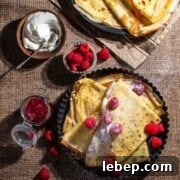
Pandekager – Danish Pancakes
Equipment
- 1 frying pan, preferably non-stick
Ingredients
- 250 grams all-purpose flour
- 3 tablespoons sugar (45 ml)
- ¼ teaspoon salt
- 625 millilitres milk
- 5 tablespoons vegetable oil (75 ml)
- 4 large eggs
- A little oil for preparing the pan
Instructions
- Combine the flour, sugar and salt in a large mixing bowl.
- Add half the milk and all the oil to the dry ingredients and whisk until smooth and lump-free.
- In another bowl, whisk the remaining milk with the four eggs.
- Stir the egg-and-milk mixture into the batter until you have a smooth, thin pancake batter. Use a hand mixer for ease if you like.
- Lightly grease the frying pan by dabbing a few drops of oil onto kitchen paper and wiping the surface.
- Heat the pan over medium-low. Pour a ladle of batter into the centre and swirl to make a thin layer.
- Cook 1½–2 minutes on the first side, then flip and cook 30–40 seconds more. Flip when the surface loses its shine and the edges look set and slightly crispy.
- Serve warm with jam, lemon and sugar, cream, ice cream or fresh berries—sweet or savoury as you prefer.
Nutritional data disclaimer
Please note the nutritional information is calculated by a third party and may vary depending on ingredients and brands used. For personalised dietary advice, consult a registered dietitian or healthcare professional.
Nutrition
For food safety advice, including guidance on food allergies, consult your local food safety authority.