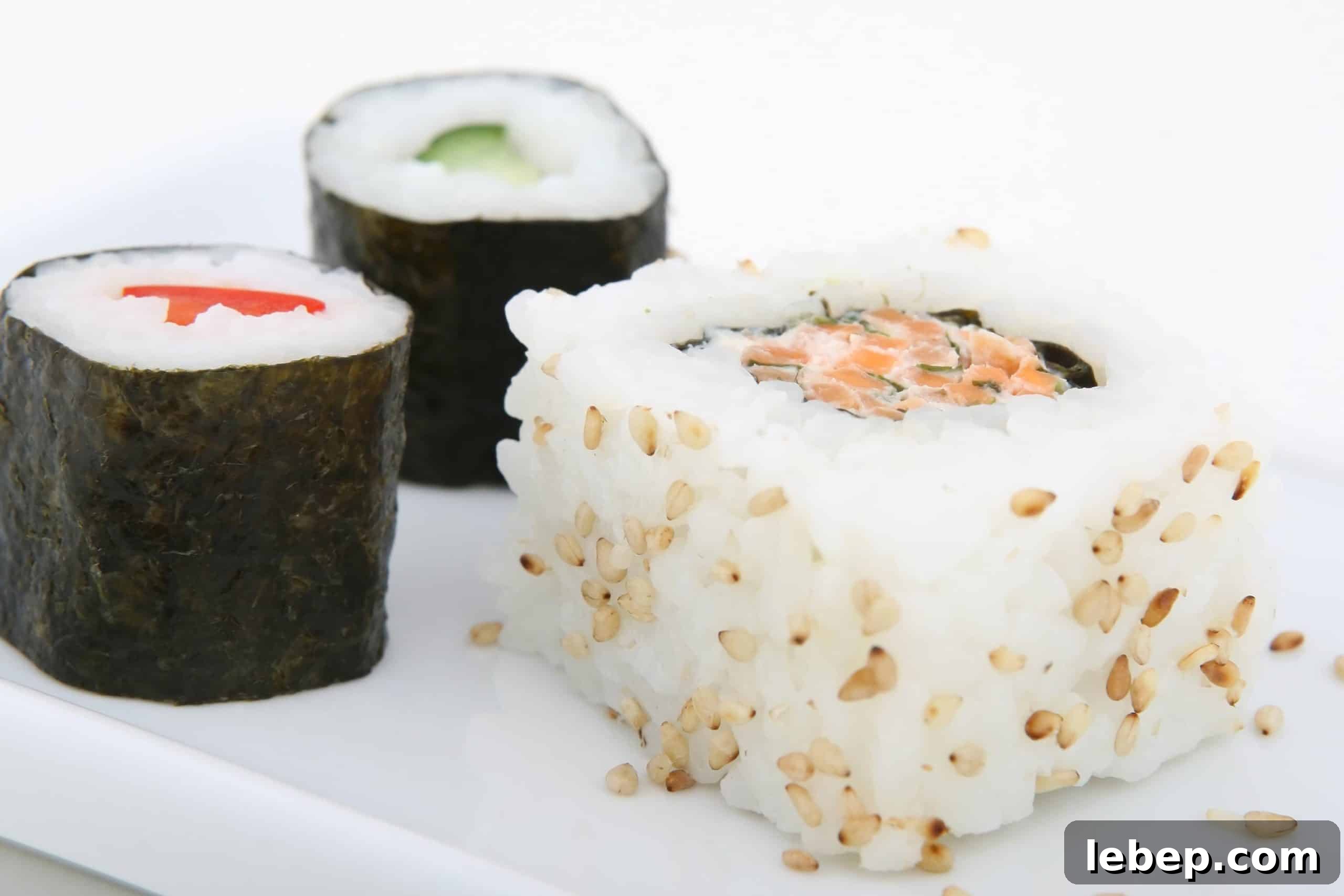
Sushi awakens the palate like fireworks on a dark night. Each bite combines fresh fish, seasoned rice, and complementary ingredients to create a flavor experience that keeps people coming back. Whether you crave bold flavors or a quick, satisfying meal, sushi delivers. It’s more than food—sushi is a lingering, memorable taste experience enjoyed by culinary fans worldwide. Read on to learn practical guidance about eating and storing sushi safely, and why leftovers require extra caution.
Raw fish varieties such as sashimi are prized for freshness and are best enjoyed immediately after slicing. Proper handling and storage determine whether sushi can be eaten the next day and whether it remains safe and tasty.
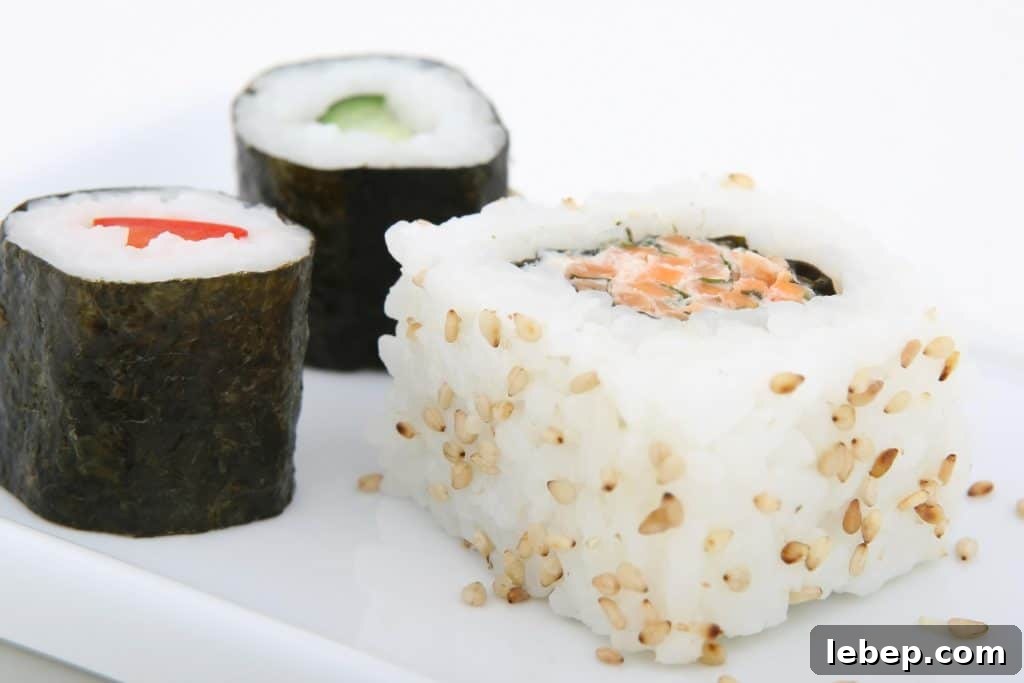
Is it okay to eat sushi the next day?
That depends on the type of sushi and how it has been stored. Sushi made with raw fish should ideally be eaten within 24 hours of purchase, provided it was refrigerated correctly the entire time. Bacterial growth increases with time and temperature fluctuations, so the longer raw fish sits out, the greater the risk.
Some sashimi, like high-quality tuna, can remain acceptable for up to a few days if consistently kept very cold, while more delicate fish such as raw salmon can spoil faster. If sushi was left unrefrigerated or exposed to warm temperatures, its safety and flavor decline quickly.
If you plan to eat sushi the next day, wrap the fish tightly in plastic and return it to the refrigerator immediately. When reheating rice, use care to avoid overheating or drying it out; small, controlled reheating helps restore texture but won’t fix bacterial contamination. Always practice good hygiene: wash hands before and after handling raw seafood and avoid touching your face while preparing or eating sushi.

How long can sushi last in the fridge?
When refrigerated properly, sushi doesn’t last very long. Shelf life varies by ingredient: dried seaweed (nori) is stable for several days when sealed, while rice and fresh seafood are more perishable. Sushi rice can stale or become mushy over time if not stored correctly, and moisture content affects texture and safety.
Raw fish is the limiting factor. Even sushi-grade fish that’s safe to eat the same day may lose quality quickly. If you bought sushi and want to keep it overnight, slice and serve it the same day you purchased it. Otherwise, it’s safer to discard leftovers rather than risk spoilage.
What are the risks of eating sushi that’s been sitting out for a day?
Risks depend on type and storage. Common chilled varieties include sashimi, makizushi (rolls), nigiri, and chirashi. Most sushi is kept cold to preserve freshness; leaving it out more than a few hours increases the chance of bacterial growth and spoilage. If sushi has been left at room temperature for over 24 hours, it should be discarded.
Nigiri and freshly prepared items are meant to be eaten immediately and don’t hold well for long periods. If you must keep sushi longer, refrigeration or freezing and airtight packaging can slow deterioration, though these methods won’t fully restore freshness.
What are the consequences of eating old sushi?
The primary concern is foodborne illness from bacteria or toxins that develop as seafood and rice sit at unsafe temperatures. Symptoms can include nausea, vomiting, diarrhea, and fever. Vulnerable groups—pregnant people, young children, older adults, and those with weakened immune systems—should avoid raw seafood and questionable leftovers.
To reduce risk, avoid eating sushi that smells off, shows sliminess, or displays discoloration. When in doubt, throw it out.
Is it still safe to eat sushi if it’s been refrigerated for a day?
Often, yes—if the sushi was stored properly and contains ingredients known to keep well. Fresh sashimi like tuna or certain firm fish may still be acceptable after refrigeration for a short period, but more delicate seafood and shellfish can degrade quickly. Sushi made with raw meat is uncommon; if present, treat it with extra caution and proper cooking.
If you decide to reheat sushi, heat only to a safe temperature and be mindful that reheating won’t remove toxins some bacteria produce. Avoid giving refrigerated raw sushi to children or immunocompromised people.
What are the signs that sushi has gone bad?
Key signs of spoilage include a sour, overly fishy, or ammonia-like smell; slimy texture on fish; discoloration; or visible mold. Rice that has become excessively dry, mushy, or off-smelling is another red flag. Heat, light, and humidity accelerate deterioration, so proper refrigeration and minimal exposure are essential.
Store sushi in airtight containers or wrapped tightly in plastic to reduce air exposure and moisture loss. Keep it cold from purchase to consumption and discard any pieces that exhibit spoilage signs.
How can you tell if sushi is still good to eat?
Fresh sushi should smell clean and mild, not strong or sour. Fish should look glossy, firm, and vibrant; rice should retain moisture without being slimy. If sushi has been refrigerated continuously and shows no off-odors, it can often be consumed within 24 hours; some refrigerated items may stay safe up to three days depending on ingredients, but quality declines.
Pre-packaged supermarket sushi often sits longer before sale, so check packaging dates and use-by information. Restaurant sushi prepared for immediate service is usually safer the same day it was made.
What do you do if you accidentally eat old sushi?
If you eat sushi you suspect was spoiled, monitor yourself for symptoms like stomach pain, nausea, vomiting, or diarrhea. Most mild foodborne illnesses resolve without treatment, but if symptoms are severe, persistent, or affect a high-risk person, seek medical attention promptly. Stay hydrated and rest. If you still have the sushi or its packaging, keeping it can help medical providers identify possible causes.
Prevention is best: keep sushi cold, store leftovers in airtight packaging, and discard anything that looks or smells off. When in doubt, throw it out.

Sweet and Sour Dynamite Roll Sushi Recipe
5 mins
10 mins
15 mins
Ingredients
- Sushi rice
- Tempura shrimps
- Tempura batter
- Dynamite sauce
- Mango
- Nori sheets
- Cucumber
- Soy sauce
Instructions
- Cover a rolling mat with plastic wrap.
- Place a nori sheet on the mat and spread a thin layer of sushi rice.
- Flip the nori so rice faces down and add tempura shrimp, mango, avocado (optional), and cucumber slices on one side.
- Drizzle soy and dynamite sauce over the filling.
- Use the bamboo mat to roll the sushi tightly.
- Slice the roll into portions and drizzle additional dynamite sauce if desired.
- Serve immediately with your preferred side.
Video
Related Posts
Air Fried Tofu in Peanut Sauce
How To Reheat Egg Rolls?

Foods That Start With R

Bibigo Mandu in Air Fryer