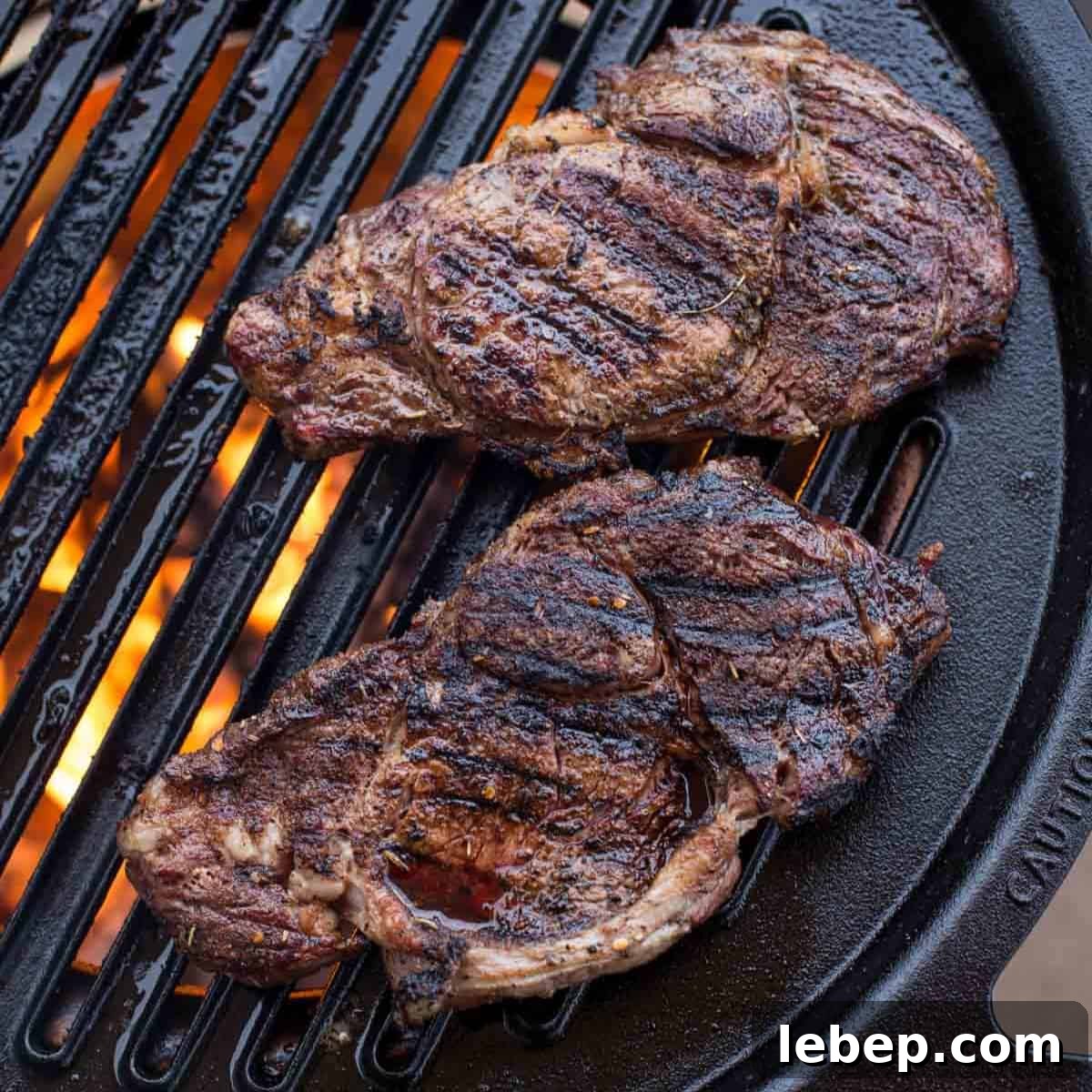
Getting a good sear, or browning, on meat does more than add flavor—it also improves texture. The secret behind that desirable crust is the Maillard Reaction, a heat-driven chemical process that transforms taste and appearance. Let’s explore how it works and how to encourage it in your cooking.
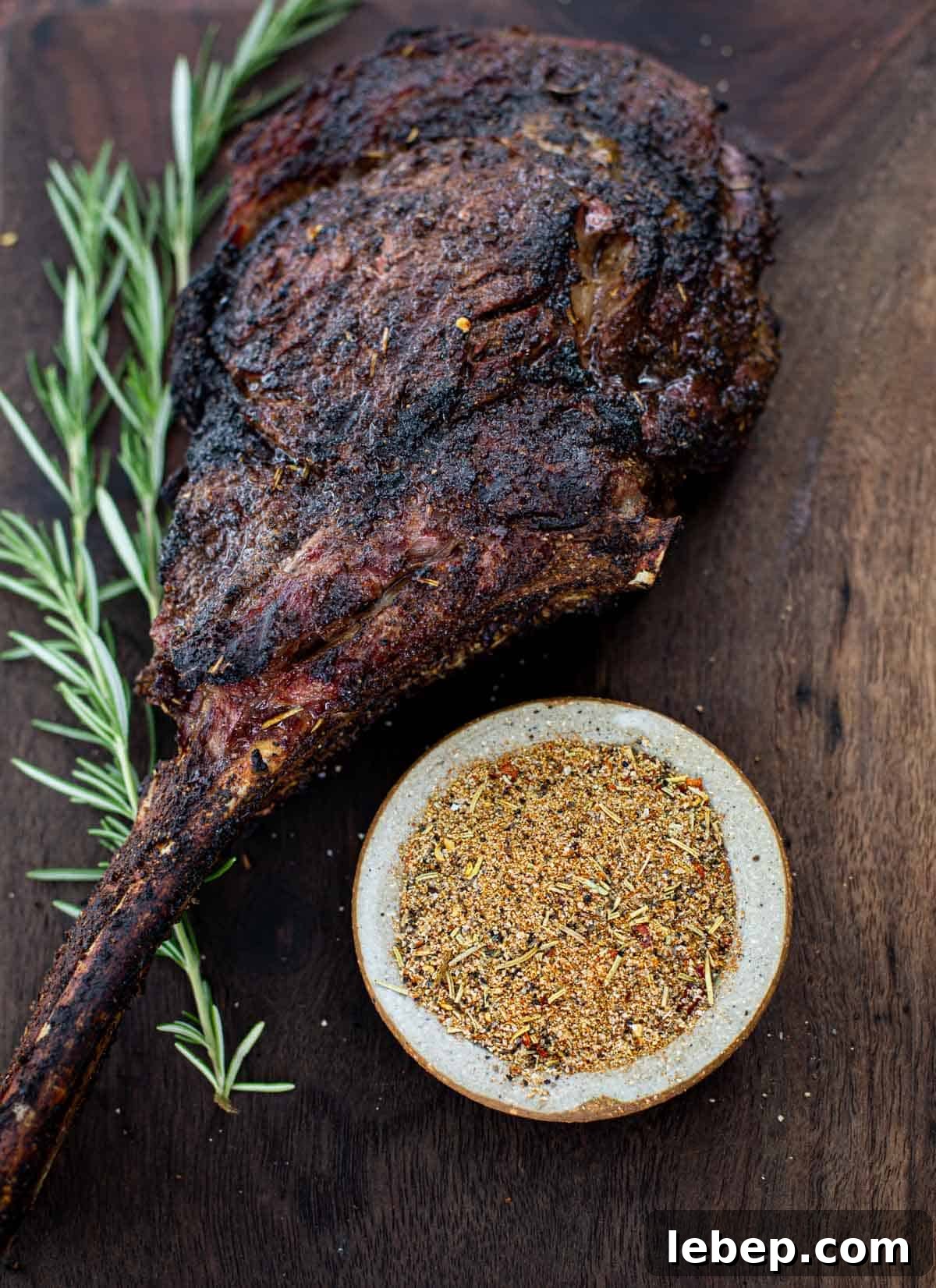
When we demonstrate techniques at events and demos, one of the most common questions is how browning occurs. Understanding the Maillard Reaction—slightly scientific but very practical—can significantly improve your results whether you’re grilling, roasting, or pan-searing.
Table of Contents
- Background
- How Does Maillard Reaction Work?
- Key Point
- Maillard Reaction versus Caramelization
- Best Ways To Achieve Browning
- Key Tips
- Get Cooking
Background
The Maillard Reaction (pronounced my-YARD), named for French chemist Louis-Camille Maillard, is the primary process responsible for the browning and flavor development in many cooked foods, especially meats. When it happens, the result is improved aroma, complexity, and the appealing brown crust we associate with well-cooked dishes.
How Does Maillard Reaction Work?
The Maillard Reaction is a chemical interaction between amino acids (from proteins) and reducing sugars that occurs under heat. It produces many different flavor and aroma compounds that give browned food its signature complexity.
Initial phase: As food heats, a sugar’s reactive carbonyl group reacts with an amino acid’s amino group, forming an unstable intermediate.
Rearrangement phase: That intermediate undergoes a series of transformations and rearrangements, producing a range of aromatic molecules such as pyrazines and furans, which contribute roasted, nutty, and savory notes.
Color development (browning): Over time these reactions form melanoidins—large brown polymers that create the visible crust and signal rich flavor development.
Whether you’re searing, grilling, or roasting, encouraging the Maillard Reaction yields a more flavorful and visually appealing result.
Key Point
Heat is essential. Without sufficient surface heat, you won’t get a proper sear. That’s why slow-smoking alone won’t produce the same crust as finishing with direct high heat, and why techniques like reverse searing—cooking low and slow, then applying intense heat at the end—are so effective.
Maillard Reaction versus Caramelization
The Maillard Reaction and caramelization both produce browning and flavor, but they are distinct processes. Maillard requires amino acids and sugars and tends to create savory, complex flavors. Caramelization involves only sugar breakdown and typically yields sweeter, more caramel-like notes.
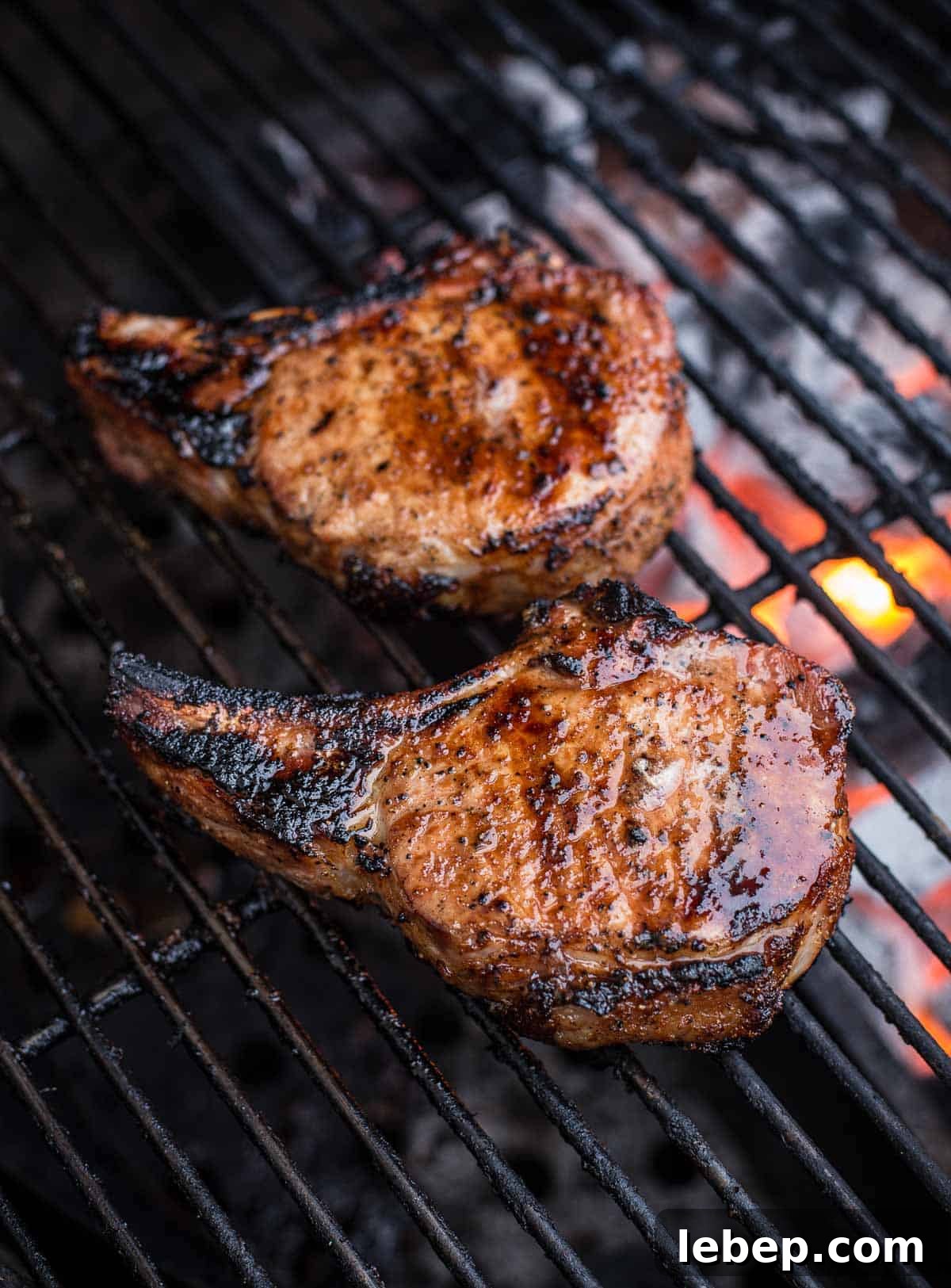
For example, caramelized onions develop sweetness as their natural sugars break down, while a grilled steak’s savory crust comes from Maillard chemistry.
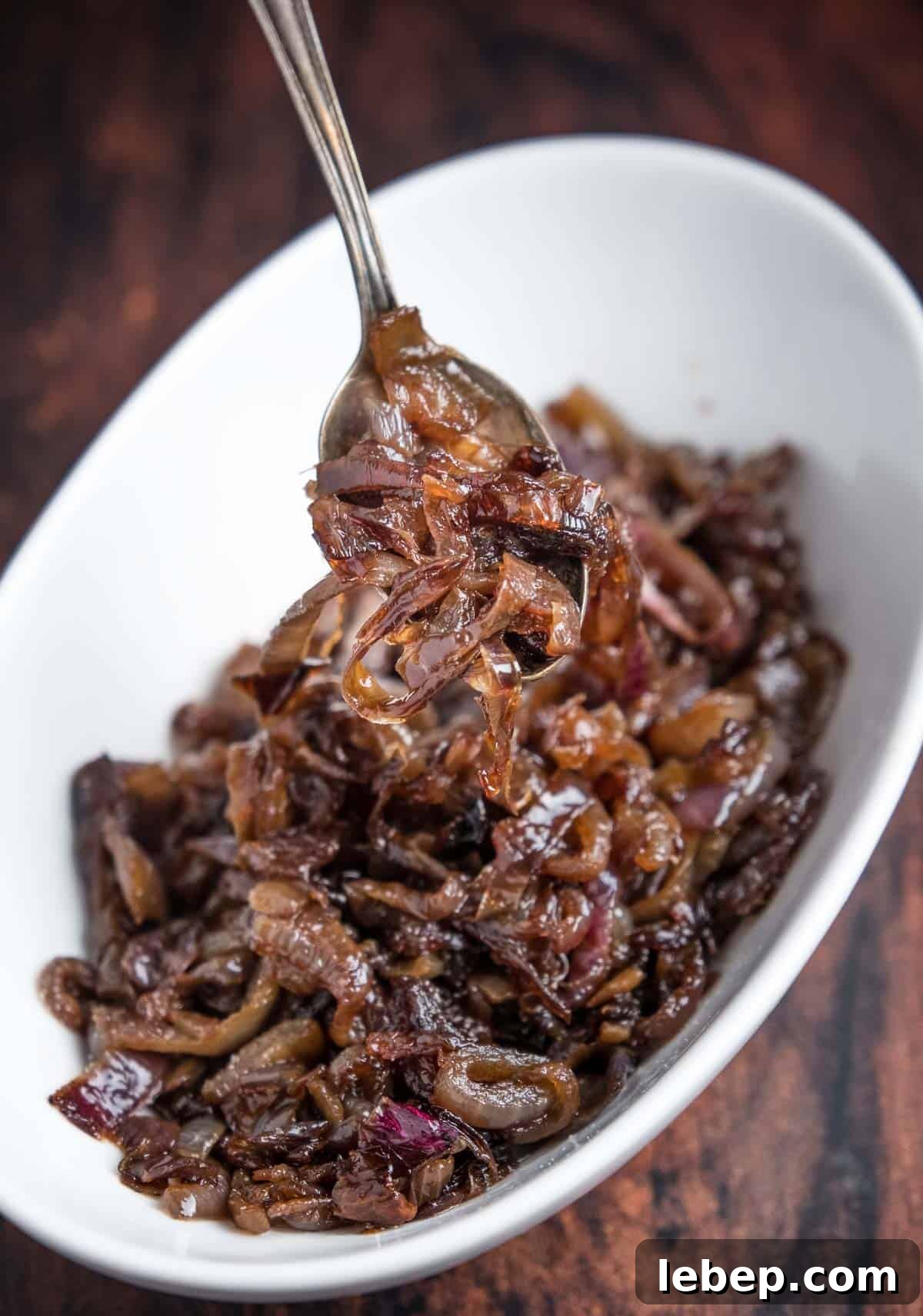
In short: Maillard = proteins + sugars = savory browning. Caramelization = sugars only = sweet browning.
Best Ways To Achieve Browning
To maximize the Maillard Reaction on meat and other foods, focus on these practices:
- Keep the surface dry or only lightly oiled. Excess moisture prevents the surface from reaching the high temperatures needed for browning. Dry brining is a useful method to season while reducing surface moisture.
- Use high, direct heat for searing while managing overall doneness. On a grill, direct grilling or a two-zone setup lets you get a strong sear and then finish the item away from intense heat.
- Avoid overcrowding the cooking surface. Crowding traps steam and prevents the dry, hot surface contact required for browning—this applies to pans, griddles, and sheet pans alike.
Key Tips
- Preheat your grill grates until they’re hot before placing food on them.
- Cast iron is an excellent choice for searing because of its heat retention; carbon steel and heavy stainless pans also work well.
- Ensure your oven environment isn’t overly humid when you need the final stages of browning—steam inhibits crust formation.
- With a pizza oven, a properly preheated stone (and strong heat) is essential for good browning.
Get Cooking
Now you know the essentials: apply sufficient surface heat and control moisture to encourage the Maillard Reaction. If your meat isn’t browning, the surface probably isn’t hot or dry enough.
Keep in mind that the initial internal temperature of the meat (room temperature versus refrigerated) has less impact on browning than surface conditions and cooking temperature. Season well and follow the steps above—then enjoy the deeper flavors and attractive crust that result from successful browning.

Get a signed copy of our cookbook! Order Now