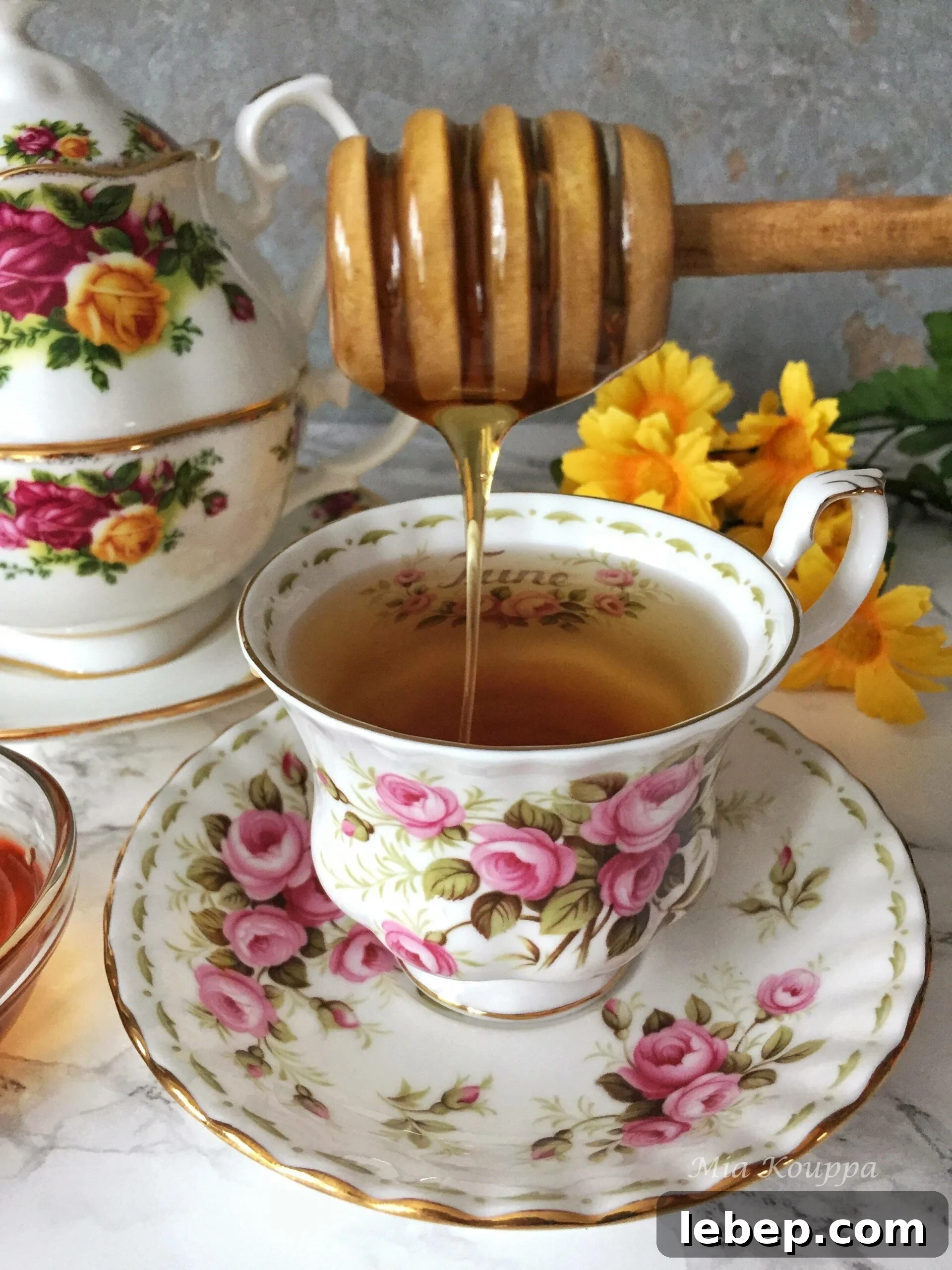
Many readers tell us they enjoy the stories that accompany our recipes, and we love sharing them. Equally dear to us are the memories our parents share during Mia Kouppa cooking sessions. Some tales are familiar, yet with every retelling our parents recall fresh details. One such story resurfaced while we were finishing our melomakarona and savoring spoons coated with rich Greek honey. Our mother watched and remembered the time she ate so much honey as a child that she became sick and couldn’t bear the sight of it for months — difficult for a family where honey was a daily staple.
On our mother’s side, beekeeping and honey production provided vital income. Our maternal great-grandfather, followed by our grandfather and his brother, kept bees. To them, the hives were part of the household: valued for honey and wax and tended with respect. The apiaries sat away from the family home in a quiet part of the village where they often spent days caring for bees and harvesting honey. Nearby stood a family mill where villagers brought grain to be ground. Both the bees and the mill supported the family’s livelihood.
On that memorable morning, our mother had gone to spend the day with her father. A neighbor had brought freshly baked bread to thank him for milling her grain. With siblings and cousins absent, our mother polished off the entire loaf, spreading thick slices with generous amounts of honey. When the bread was gone she kept eating the honey by the spoonful until, after one spoon too many, she became ill. For months she could not stomach honey, which distressed her own mother. Honey was a pantry staple, often the only sweet available, and our grandmother firmly believed in its nourishing properties.
Apitherapy — the traditional use of bee products for health — has long associated honey with healing, from soothing throats to treating burns. While modern science examines these claims, generations of families, including ours, have trusted honey for minor ailments. We still instinctively reach for honey when someone in the family has a sore throat, often before any commercial remedy.
Beyond honey, our ancestors harvested beeswax. Our mother remembers how her grandfather, father and uncle made slender tapered candles for the church by repeatedly dipping a wick in melted wax. In hard times, many worshippers could not afford candles at the church entrance; the candles our family made were given freely to help the community and honor the faith that sustained them.
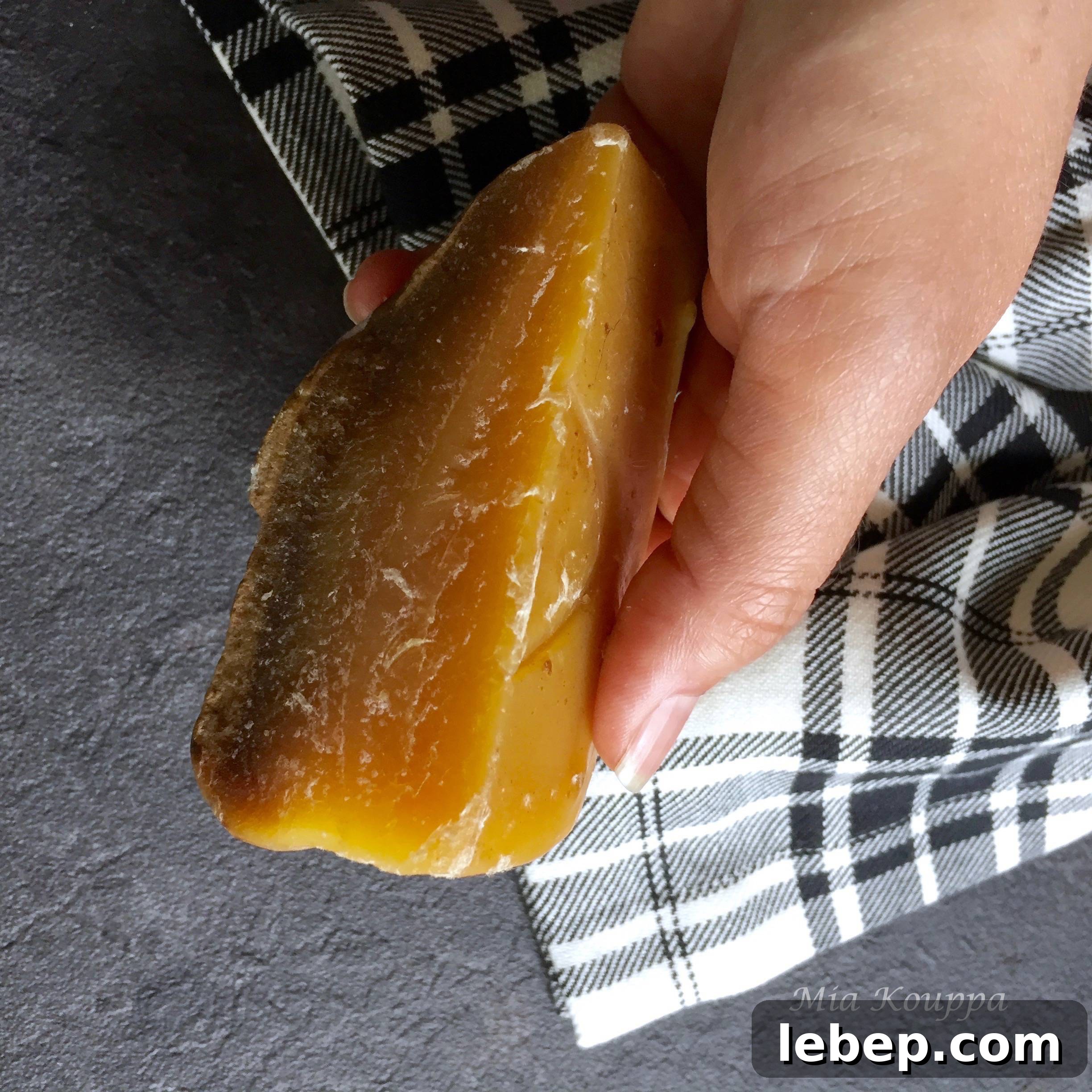
Mid-story, our mother rose and returned with a small plastic bag. When she left for Canada during the Depression, her father had little to give. He presented her with a piece of beeswax from the family hives, saying it would bring luck and keep her close to the family she was leaving. She had kept that beeswax for fifty-five years tucked in a drawer, taking it out to hold and smell. We held it too, and the faint honeyed scent carried a rush of memory and warmth.
Ways with honey
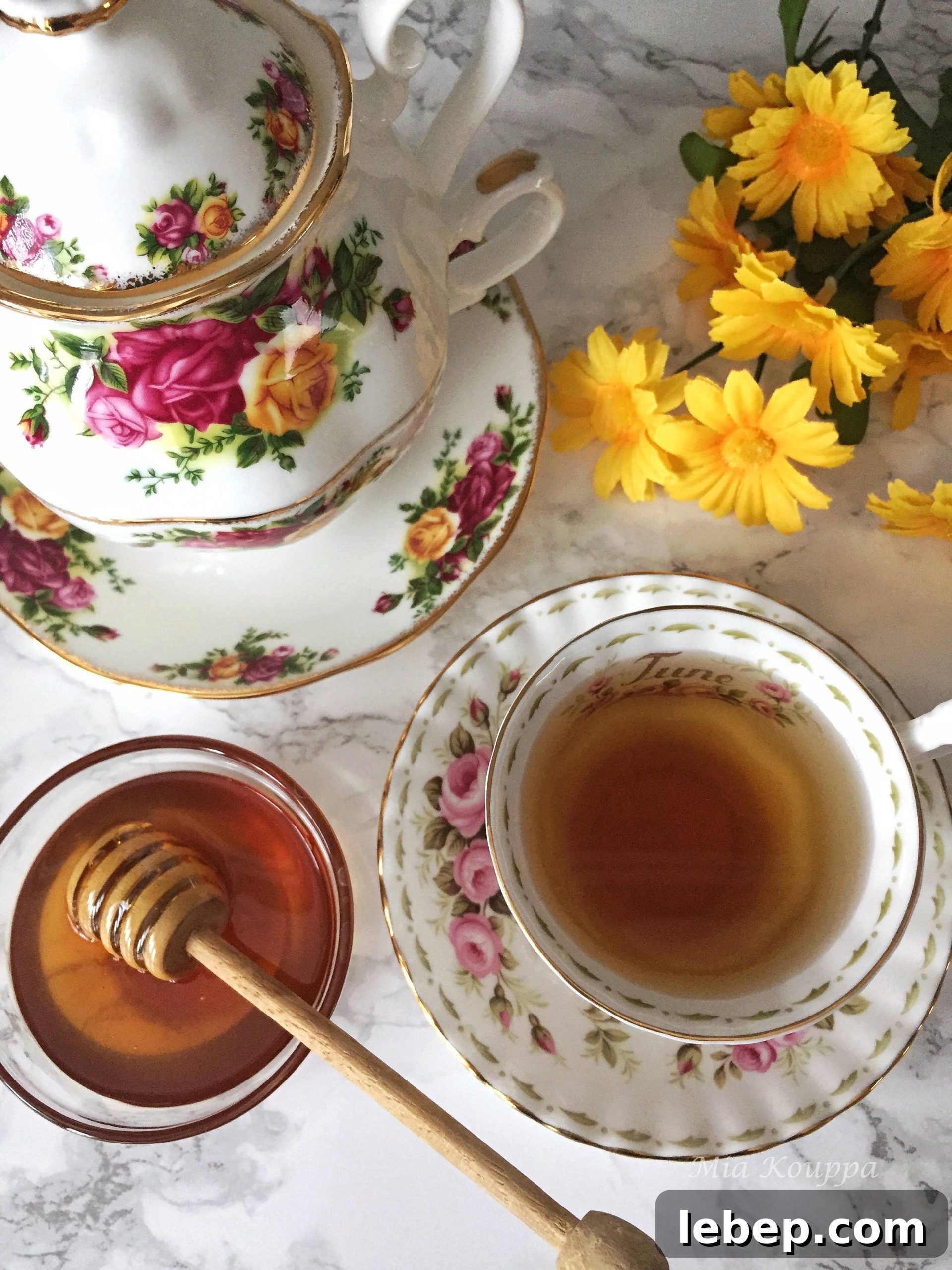
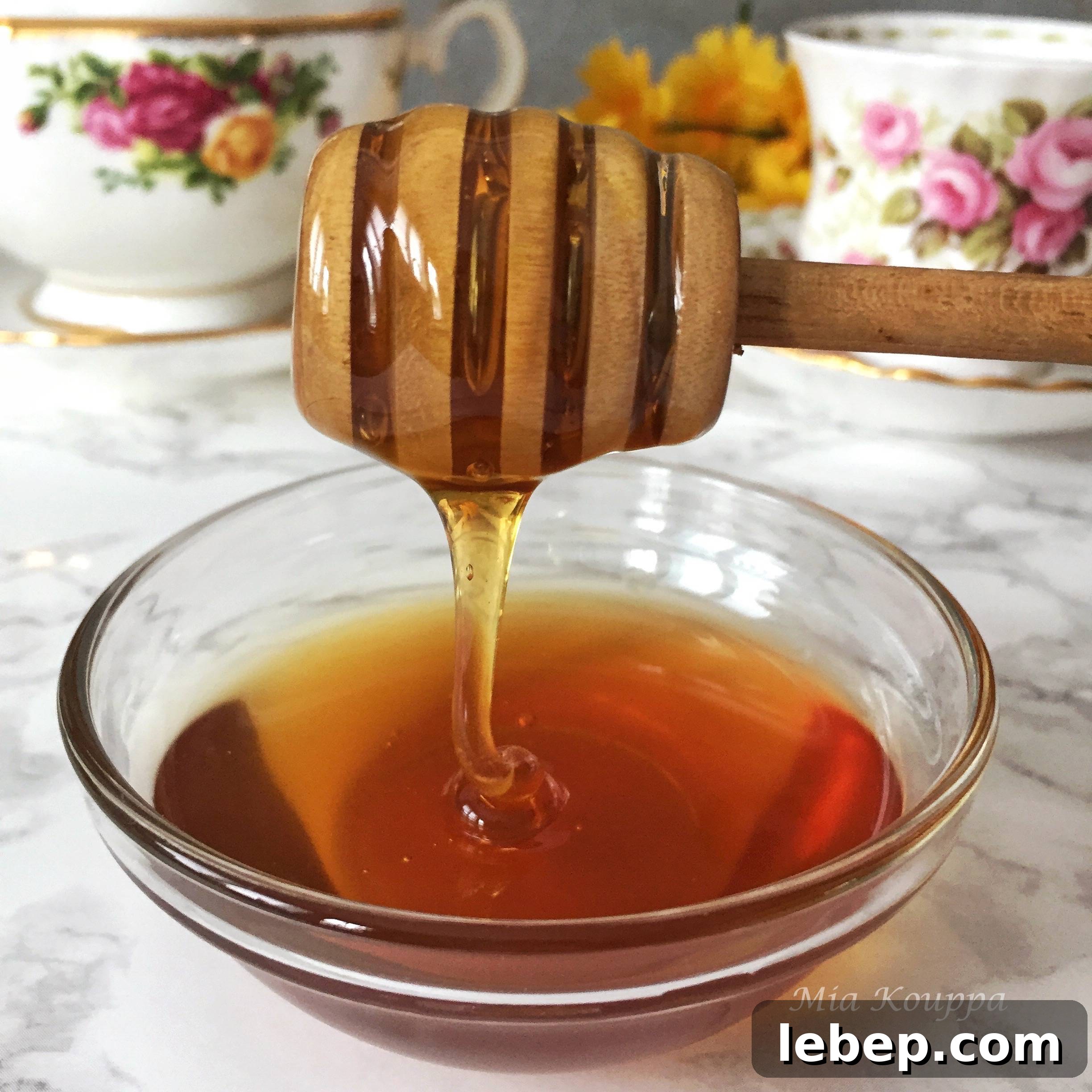
We still enjoy honey the simple way our mother did: spread thickly on fresh bread for a divine breakfast. Honey is equally wonderful drizzled over Greek yogurt or stirred into chamomile or mountain tea. It sweetens smoothies naturally, makes a lovely glaze for baked nuts, and a high-quality honey is delightful eaten straight from a spoon.
When buying honey, be as discerning as you are when selecting olive oil. Some commercial honeys are adulterated with sugars and sweeteners, reducing flavor and value. Seek out authentic Greek varieties if available, or better yet, local honey from beekeepers in your area. Buying local supports small producers and helps ensure you get pure honey.
Honeybees face threats that affect ecosystems and food production. There are simple actions everyone can take to help support pollinators, such as planting bee-friendly flowers, avoiding unnecessary pesticide use, and supporting local beekeepers. Small choices add up and can make a real difference for bees and for us.
Enjoy.