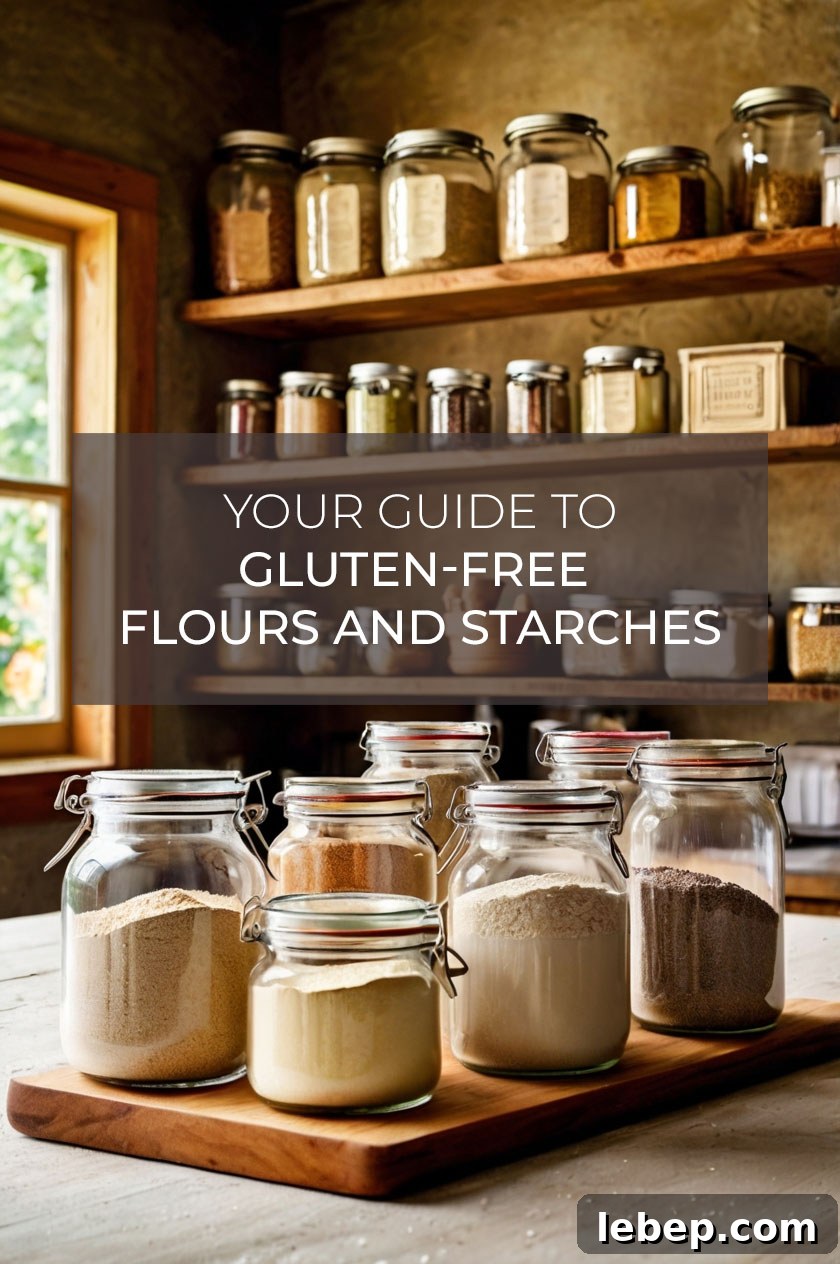
Getting Started on a Gluten-Free Diet
Switching to a gluten-free diet can feel overwhelming at first, especially if you’re new to baking or cooking without wheat, barley, or rye. Whether you’re avoiding gluten because of celiac disease, non-celiac gluten sensitivity, or personal choice, this guide explains the essentials of gluten-free flours and starches and helps you begin with confidence.
What Is Gluten and When to Avoid It?
Gluten is the protein in wheat, barley, and rye responsible for dough’s elasticity and structure. For people with celiac disease or gluten sensitivity, consuming gluten causes adverse reactions and must be avoided. Eliminating gluten doesn’t mean giving up baked goods and comfort foods: with the right combination of gluten-free flours, starches, and binding agents, you can recreate many favorites.
What Makes Gluten-Free Flours Unique?
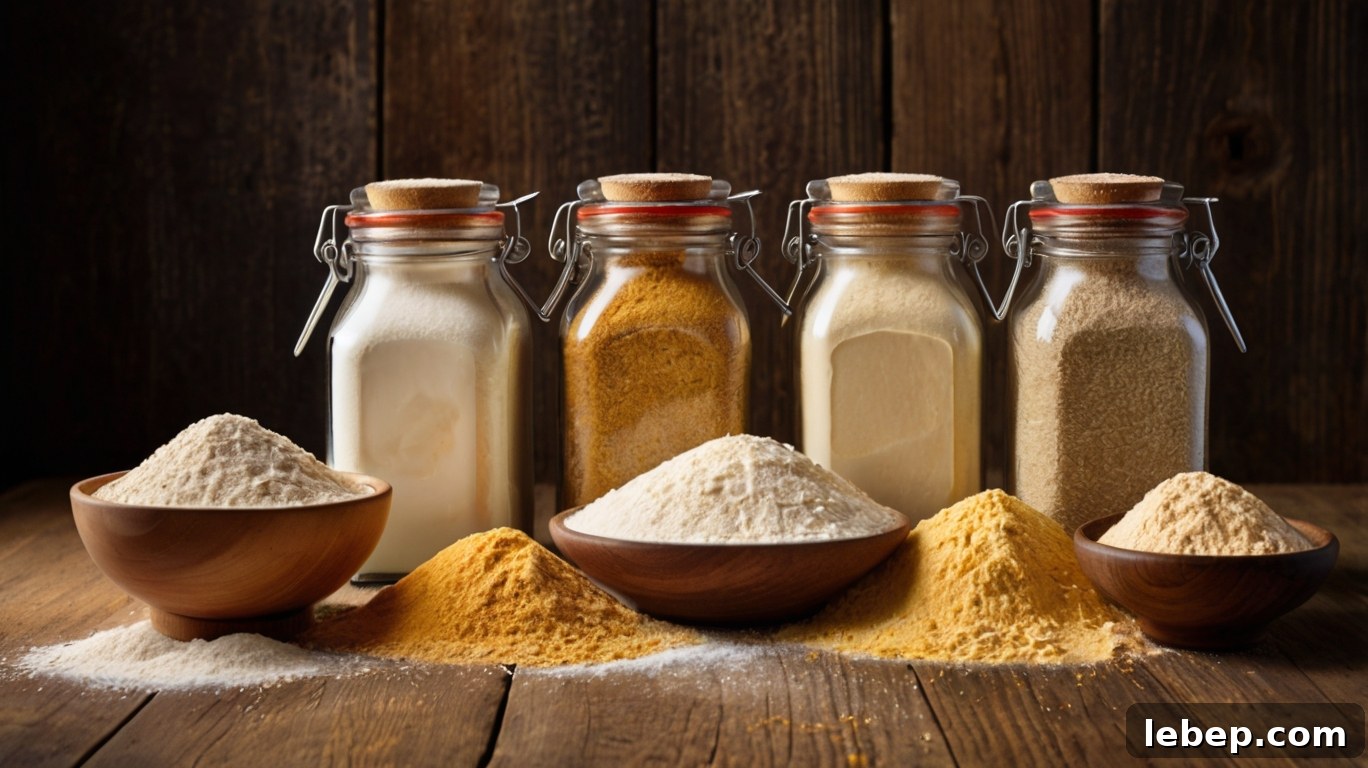
Unlike wheat flour, gluten-free flours lack the elastic network gluten provides. As a result, many gluten-free flours produce crumblier textures and need help to bind ingredients and hold shape. That’s why recipes typically combine multiple flours and starches and often include binders such as xanthan gum, psyllium husk, or eggs to replicate gluten’s properties.
Gluten-Free Flours: Pantry Staples
Below is an organized overview of commonly used gluten-free flours and their best uses.
Nut-Based Flours
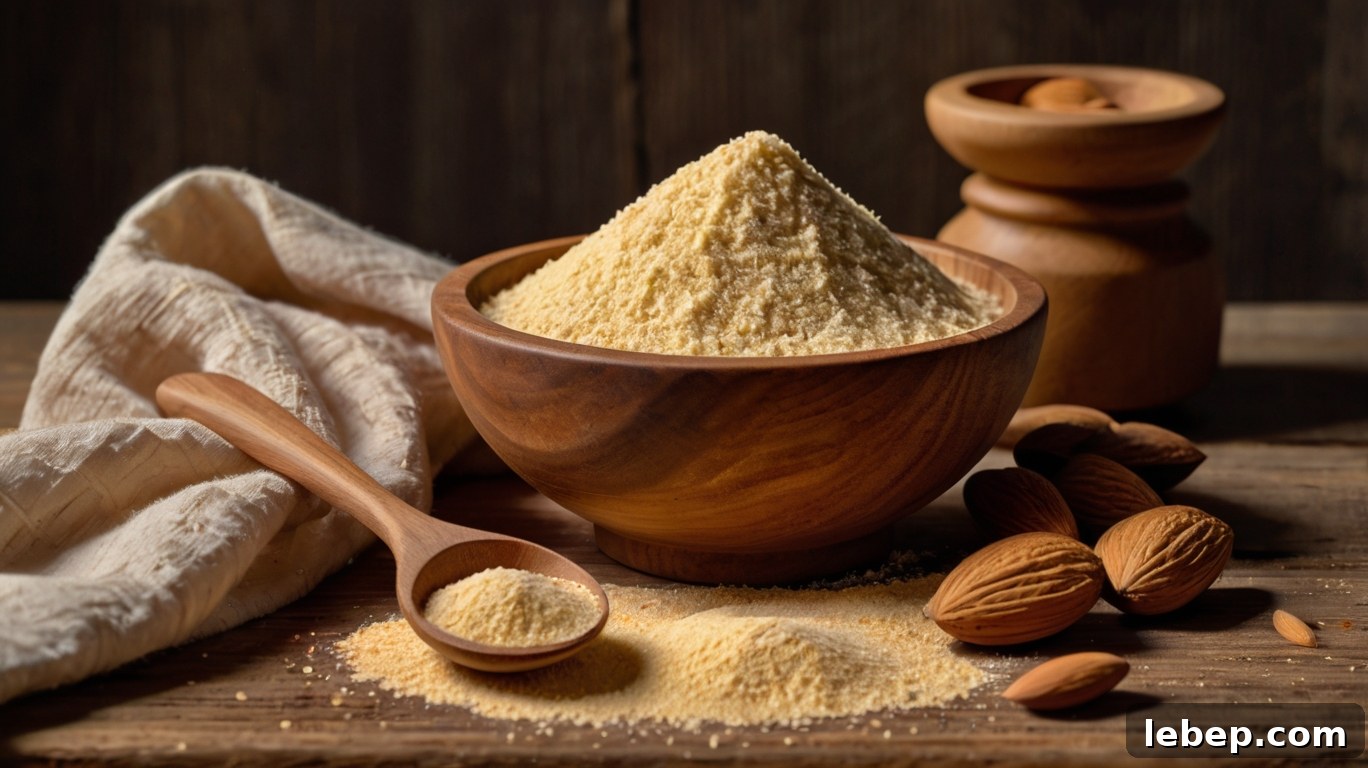
1. Almond Flour
- Made from finely ground blanched almonds; richer and finer than almond meal.
- High in protein, healthy fats, vitamin E, magnesium, and fiber—more nutrient-dense than many starch-based alternatives.
- Low glycemic index, so it’s a better option for blood sugar control than refined flours.
- Works well in cakes, cookies, breads, and savory dishes; often blended with other flours to improve texture.
2. Coconut Flour
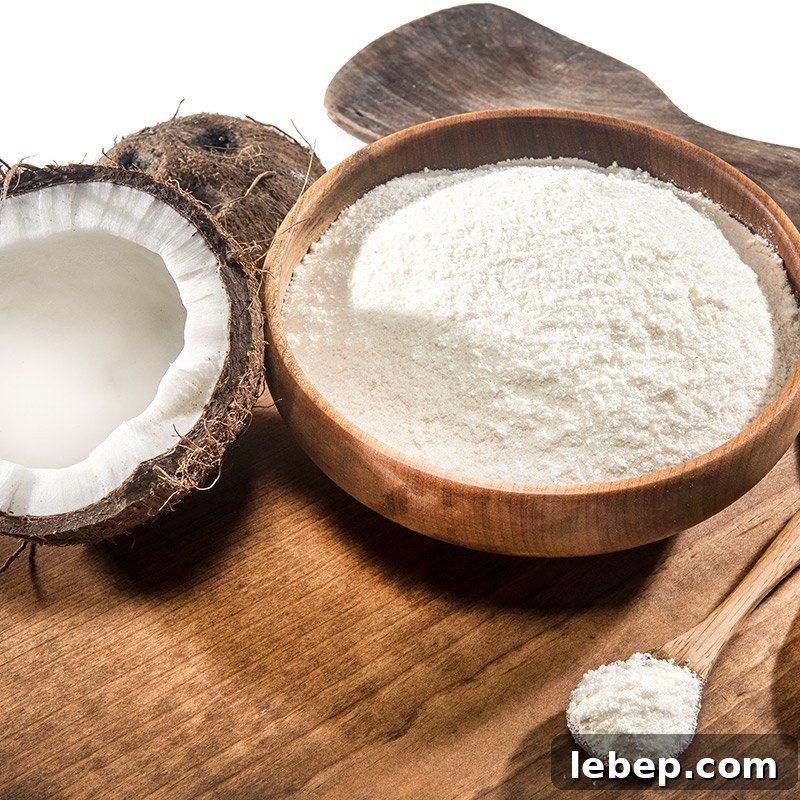
- Produced from dried coconut meat; very high in fiber and absorbs a lot of liquid.
- Lower in digestible carbs, making it suitable for low-carb or ketogenic diets.
- Use sparingly and increase liquid or eggs in recipes; best for pancakes, muffins, and dense breads.
Grain-Based Flours
1. White Rice Flour
- Made from milled white rice; very fine and neutral in flavor.
- Common in gluten-free baking but can be crumbly alone; often blended with other flours and a binder.
- Lower in nutrients and higher GI than whole-grain options, so use in moderation.
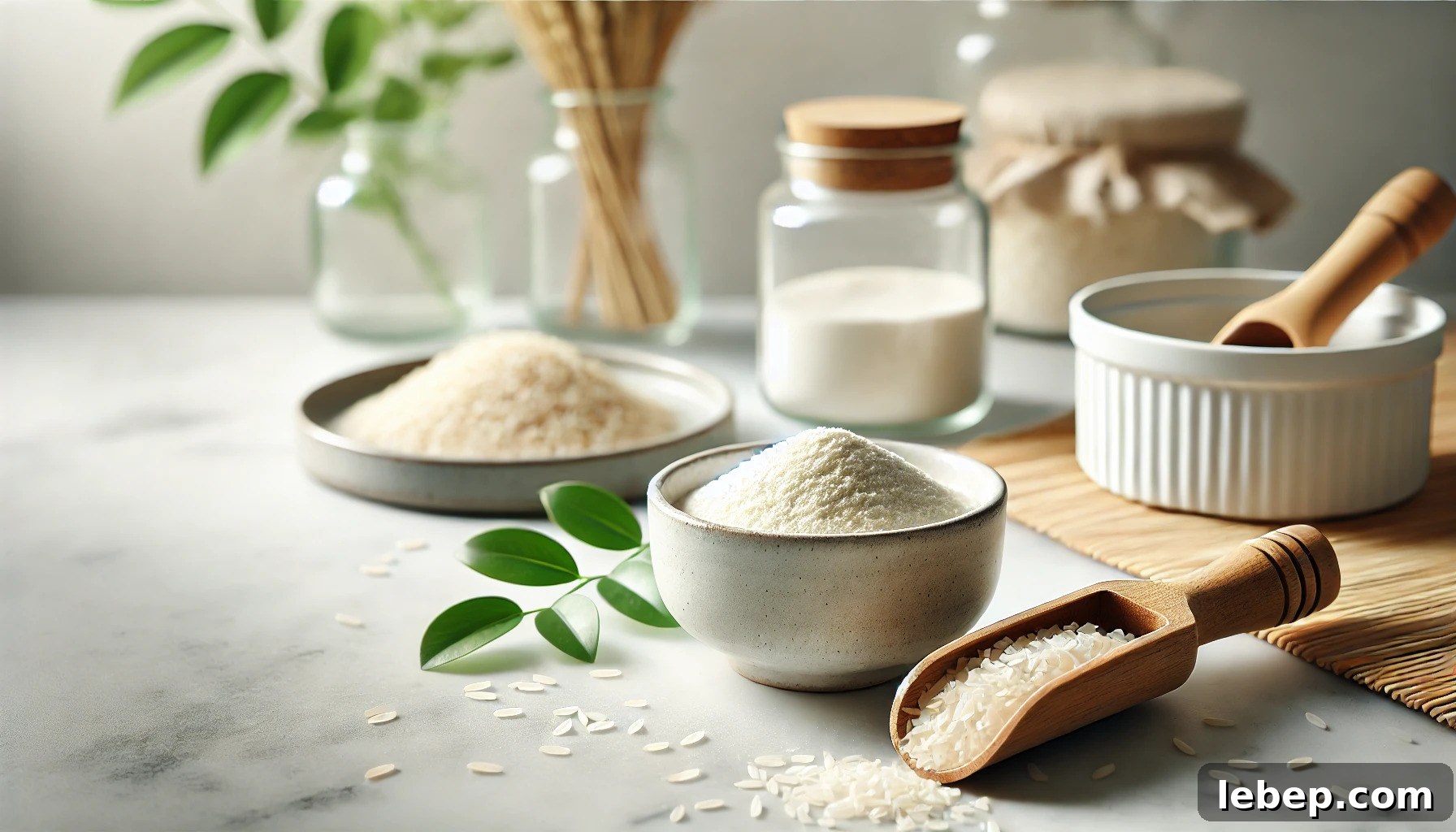
2. Brown Rice Flour
- Made from whole-grain brown rice, retaining bran and germ for more fiber and nutrients.
- Slightly coarser and nuttier than white rice flour; good for heartier baked goods when combined with other flours.
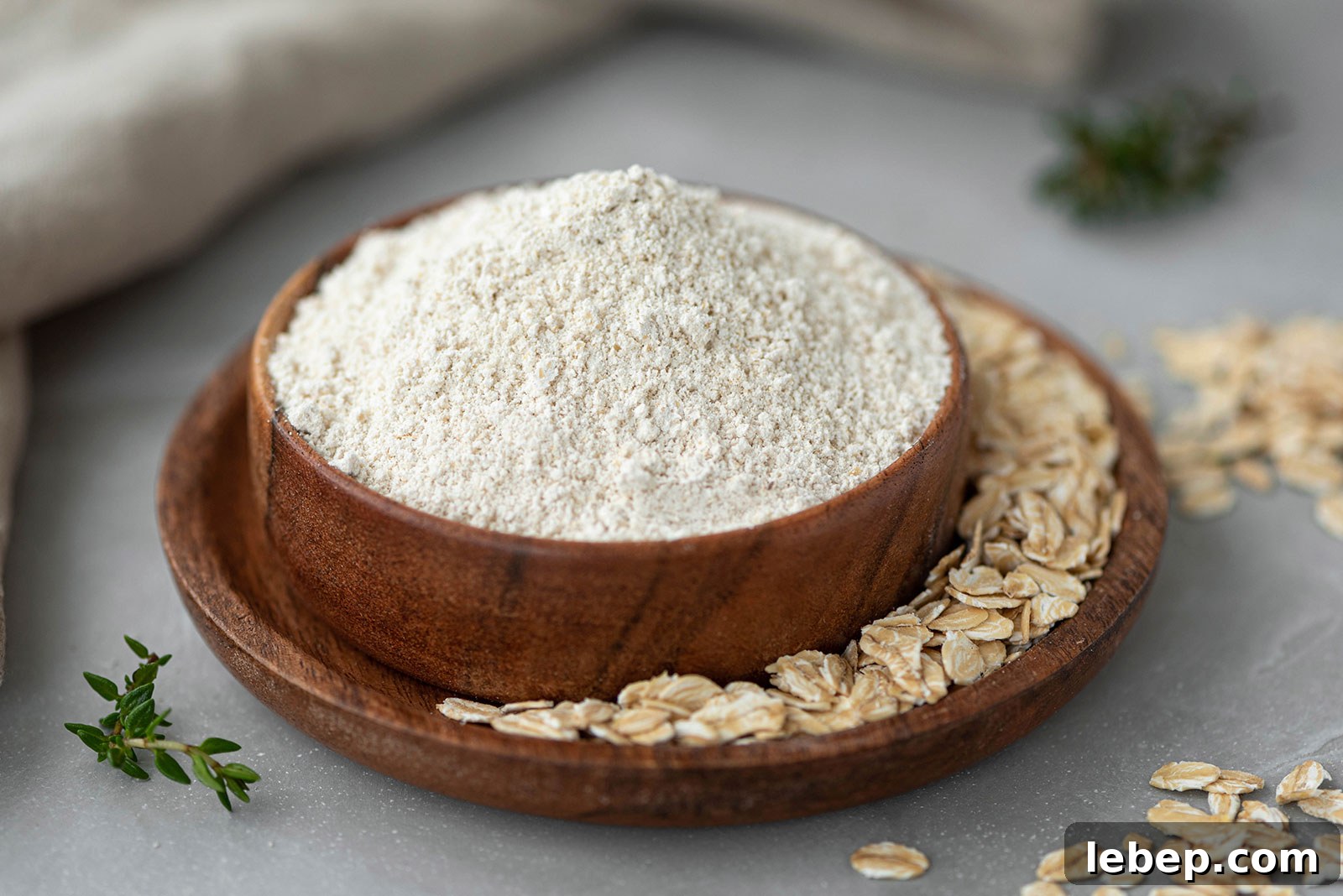
3. Oat Flour
- Ground whole oats; adds good texture and mild flavor to gluten-free baking.
- Choose certified gluten-free oats if you need to avoid cross-contamination.
- Works well in cookies, muffins, pancakes, and as a thickener for soups or smoothies.
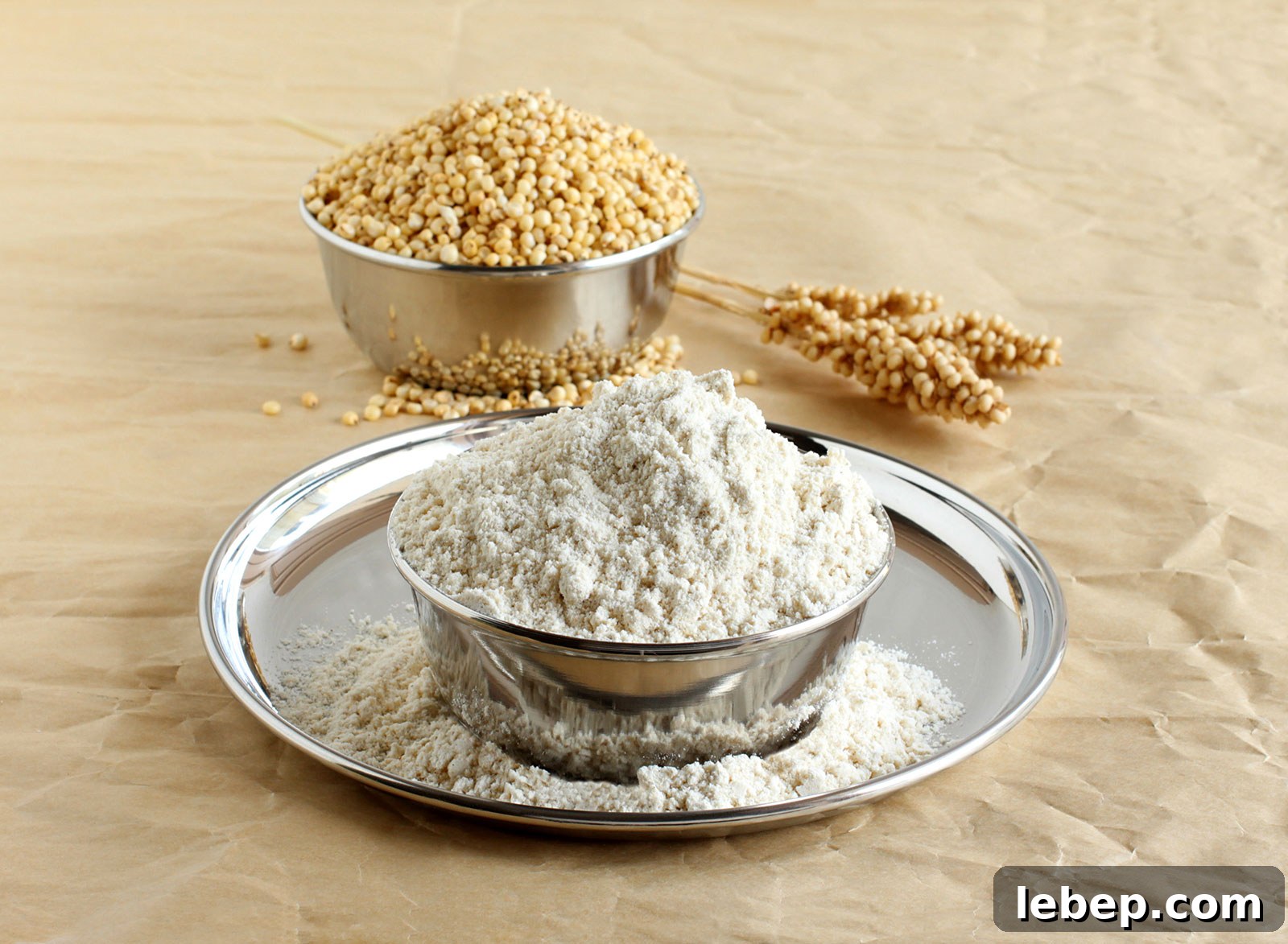
4. Sorghum Flour
- A whole-grain, nutrient-rich flour with a mild, slightly sweet flavor.
- Low to moderate GI and high in fiber; often used as 20–30% of gluten-free blends to add nutrition and texture.
- Good for cakes, cookies, muffins, pancakes, and traditional flatbreads in some cuisines.
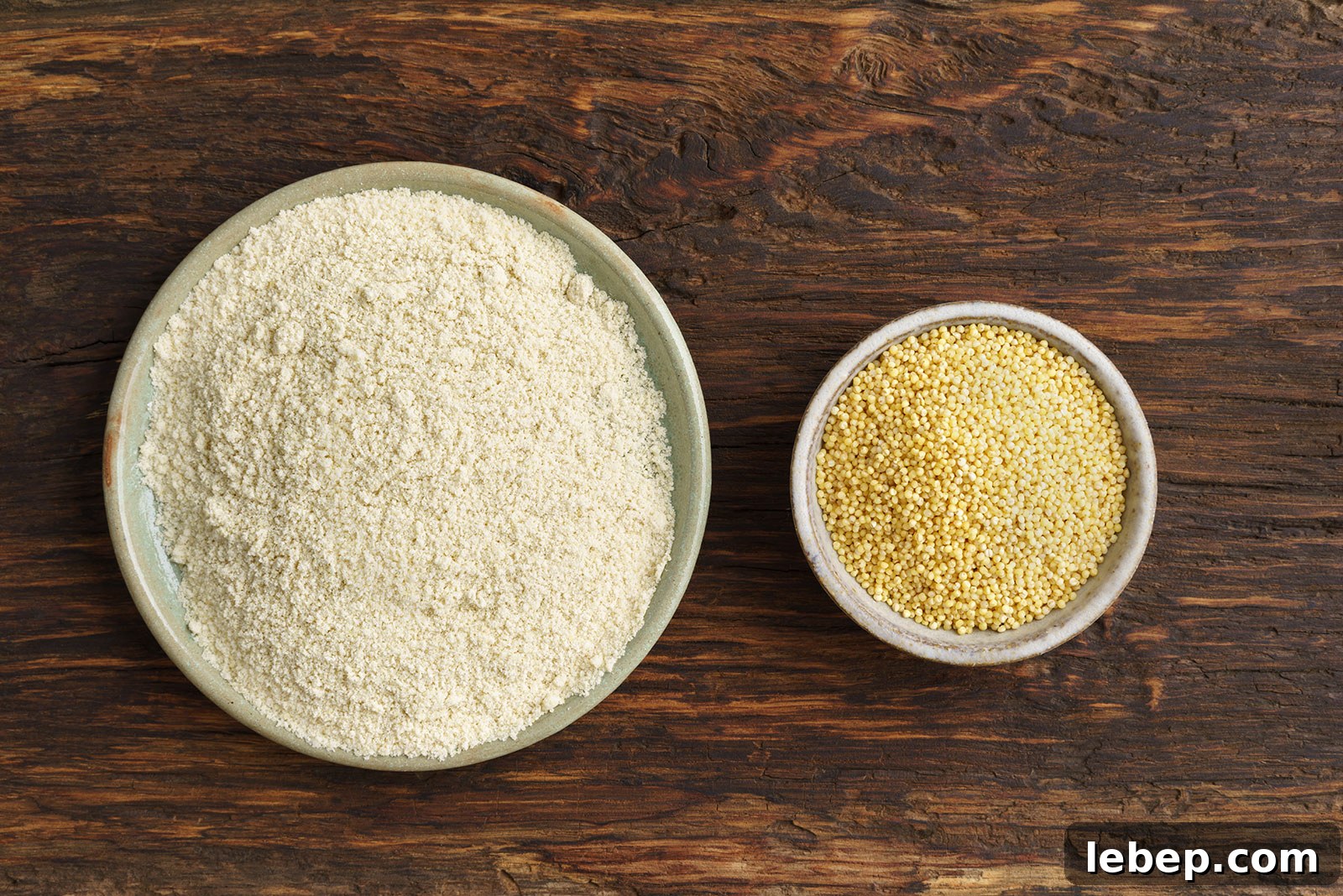
5. Millet Flour
- Mild, slightly nutty whole-grain flour that works well in blends for breads and muffins.
- Moderate GI; because of possible goitrogenic effects, rotate it with other flours if you have thyroid concerns.
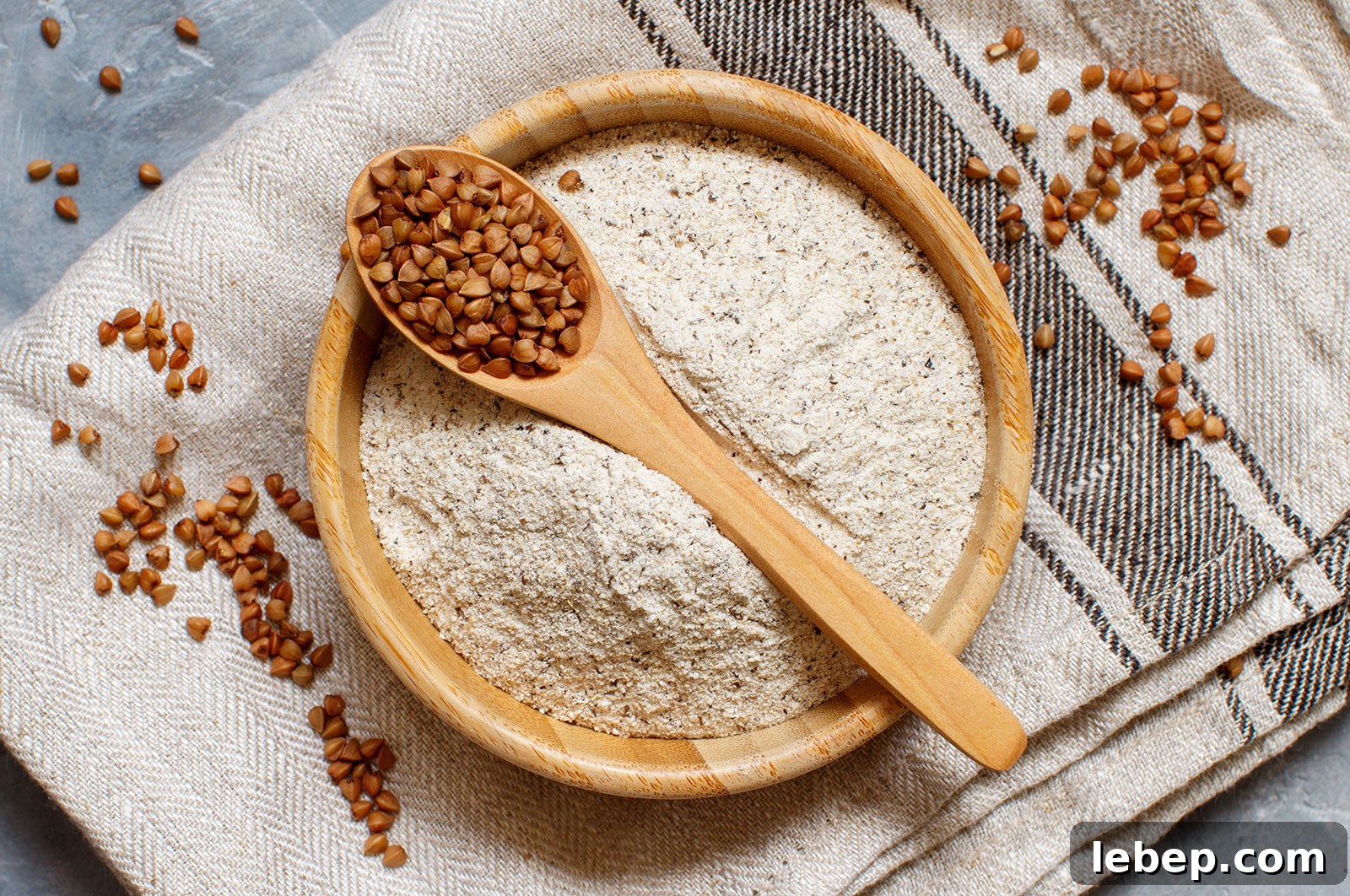
6. Buckwheat Flour
- Made from buckwheat seeds (not related to wheat); rich in protein, fiber, and antioxidants.
- Low to moderate GI and adds an earthy flavor; great for pancakes, waffles, breads, and crackers when blended with lighter flours.
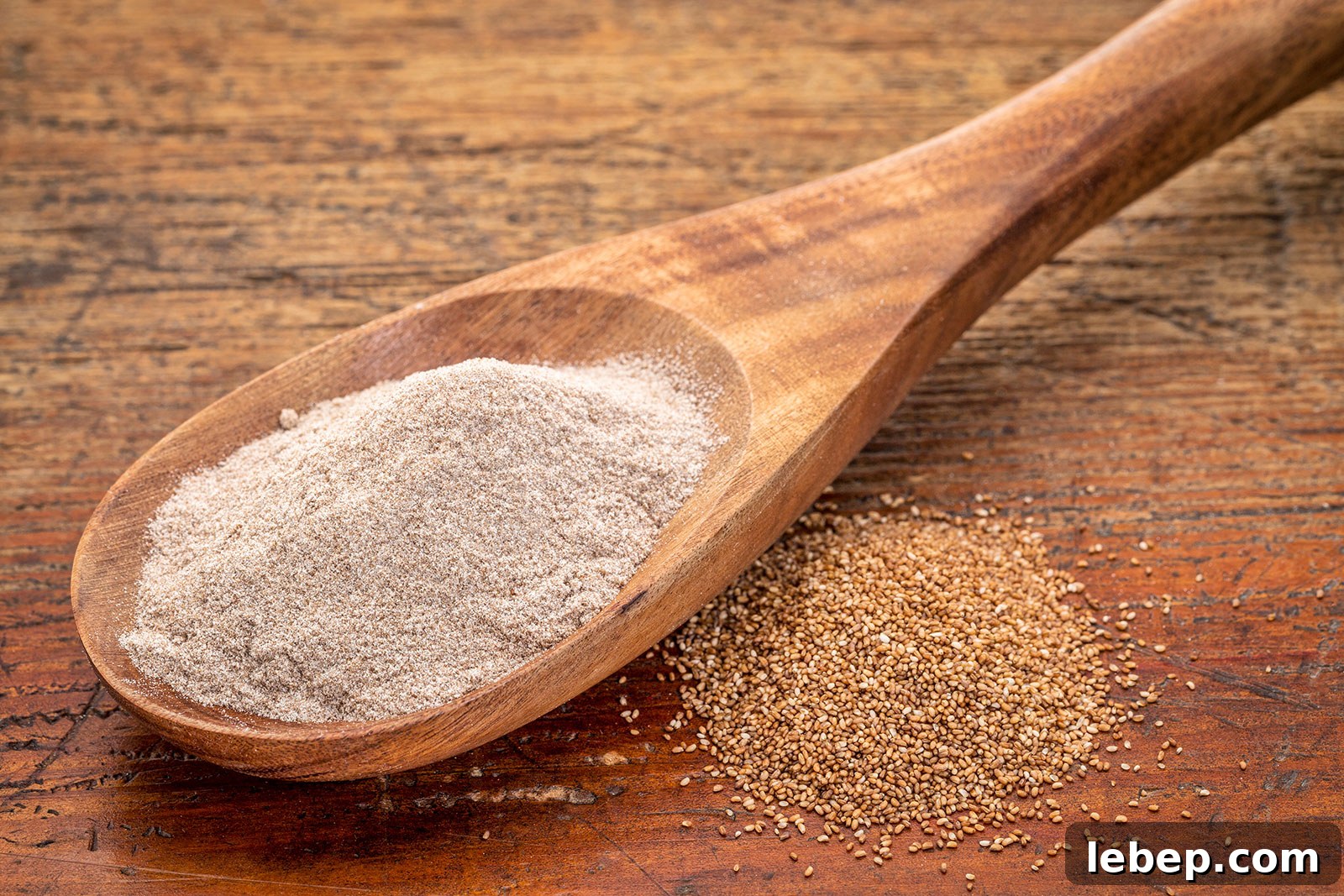
7. Teff Flour
- Tiny-seed flour from Ethiopia, nutrient-dense and naturally gluten-free.
- Mild, slightly nutty flavor; ideal for breads, pancakes, and as a thickener in stews.
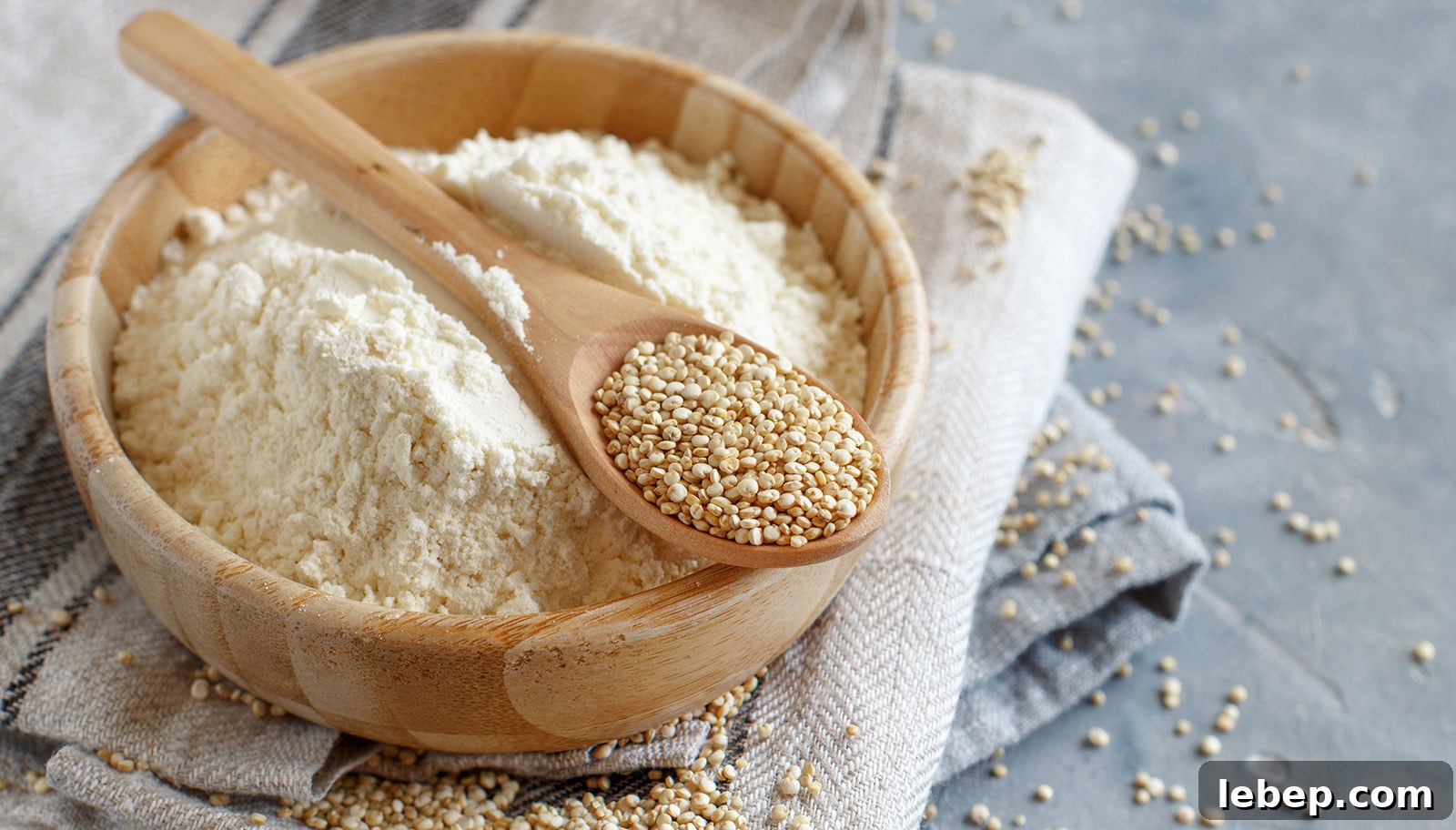
8. Quinoa Flour
- High-protein, gluten-free flour with a complete amino acid profile.
- Slightly nutty and useful in breads, cookies, pancakes, smoothies, and sauces; best combined with other flours for balance.
9. Amaranth Flour
- Nutritious flour rich in lysine and other nutrients; adds an earthy flavor and works well in blends for muffins, pancakes, and breads.
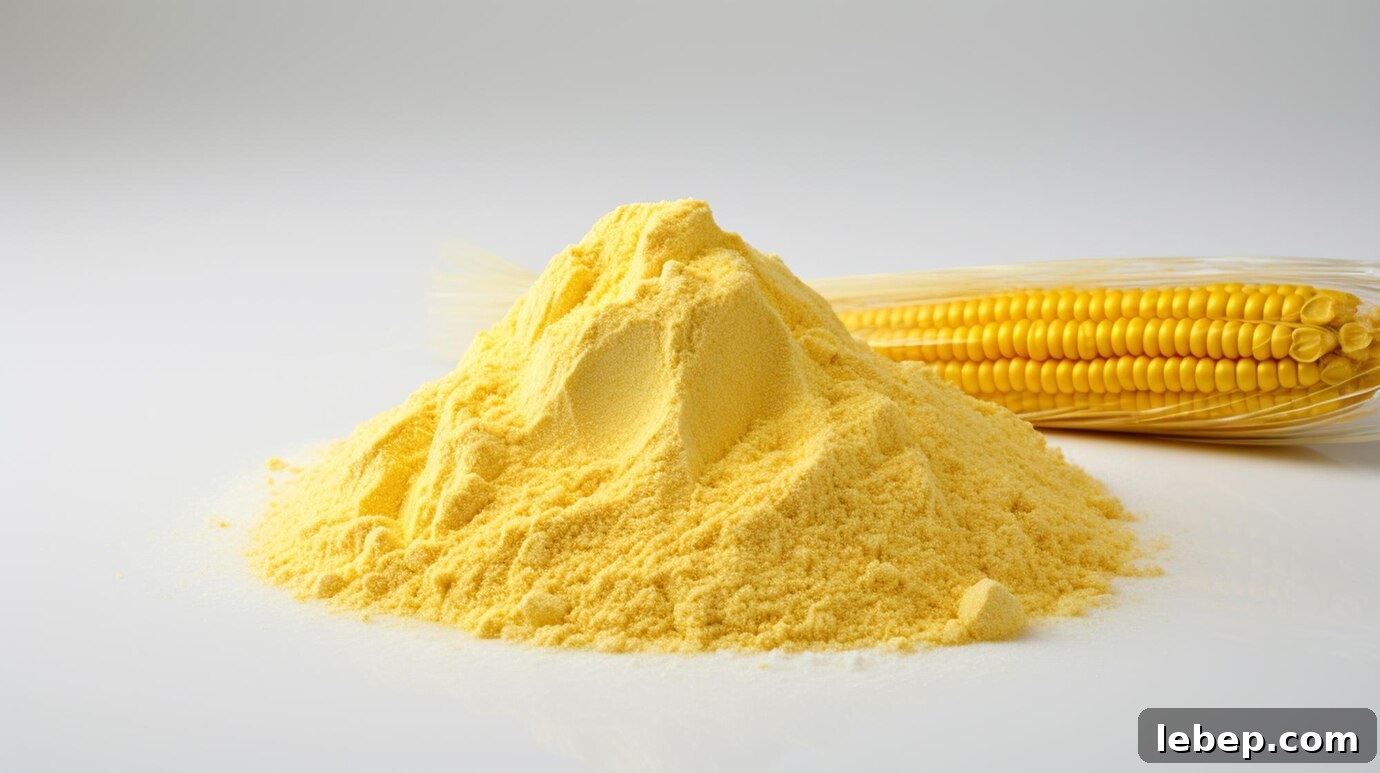
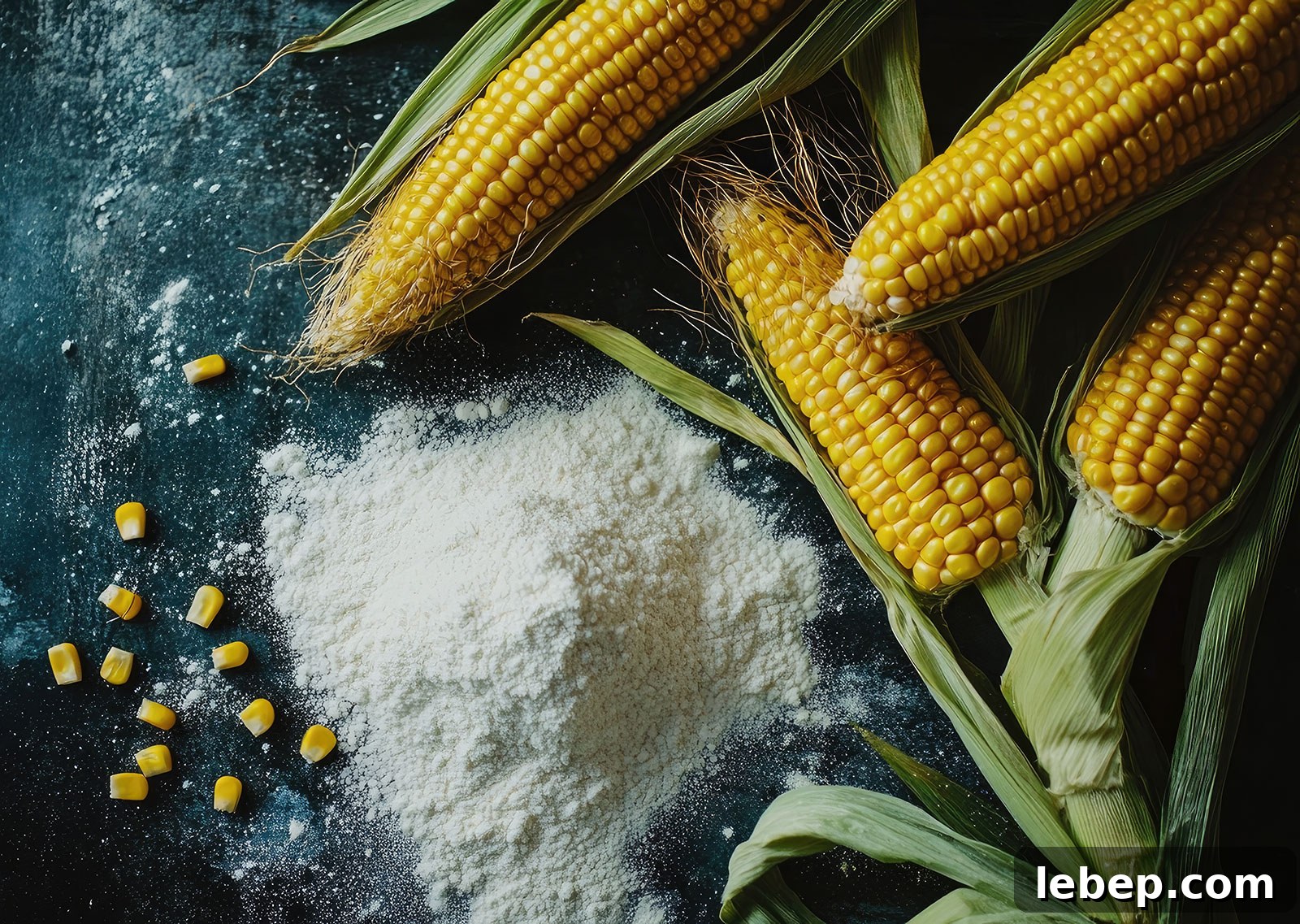
10. Corn Flour
- Naturally gluten-free with a mild, slightly sweet flavor; useful for tortillas, cornbread, and as a thickener.
- Best combined with other flours for structure in baked goods.
Root-Based Flours
Root flours are made by grinding whole tubers and tend to retain more fiber and flavor than refined starches.
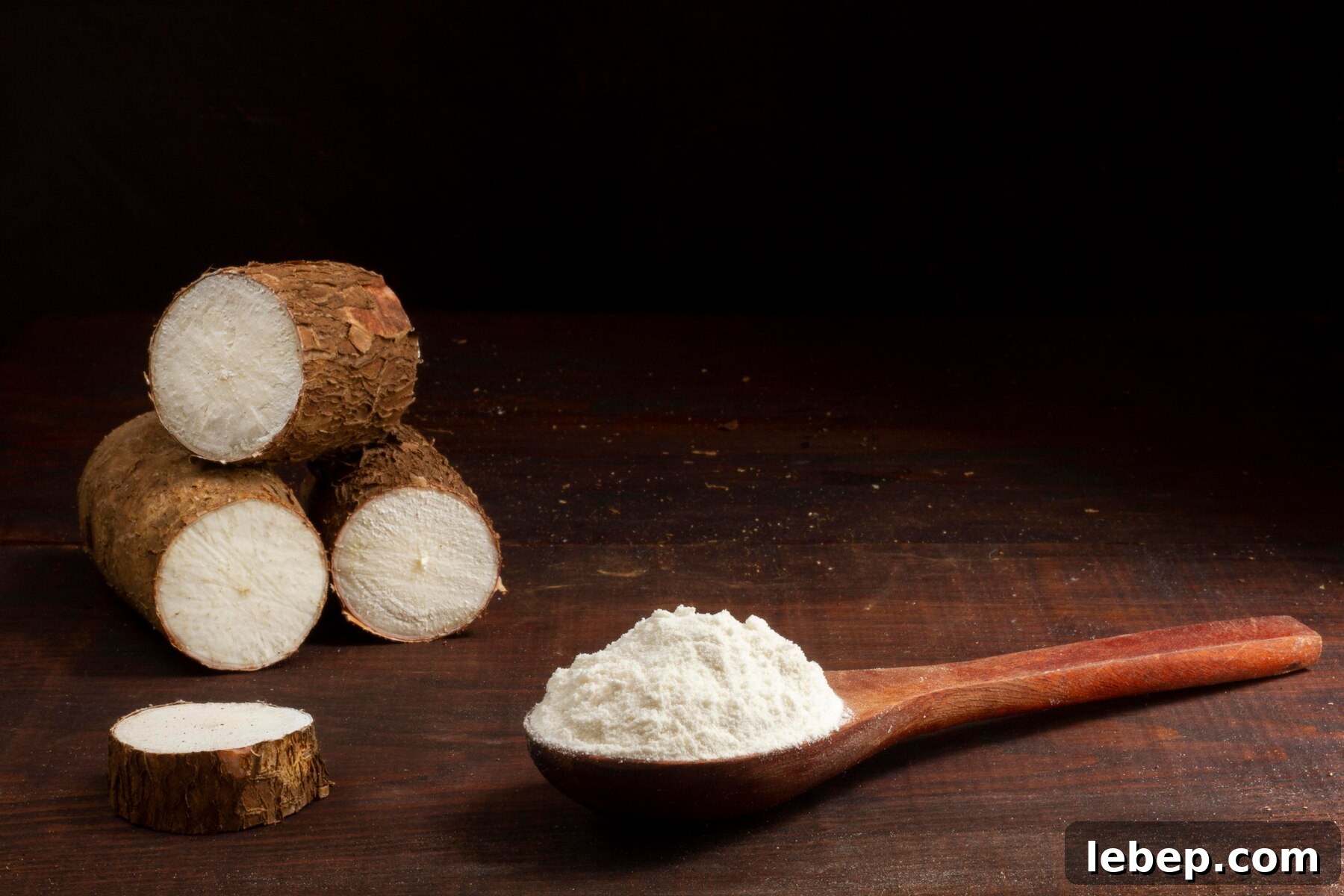
1. Cassava Flour
- Made from whole cassava root; neutral flavor and versatile in baking.
- Mimics wheat flour texture well and often doesn’t need extra binders, but it’s calorie-dense and lower in protein.
- High GI, so use with care if blood sugar control is a concern. AIP-friendly and grain-free.
2. Sweet Potato Flour
- Made from dehydrated sweet potatoes; rich in fiber, vitamins A and C, and antioxidants.
- Adds moisture and natural sweetness; useful in muffins, pancakes, bread, and as a thickener.
3. Tigernut Flour
- Made from tubers (not nuts); naturally sweet and nut-free—good for nut-allergy diets and AIP when combined with other flours.
- Works well in cookies, muffins, pancakes, smoothies, and sauces.
Legume-Based Flours
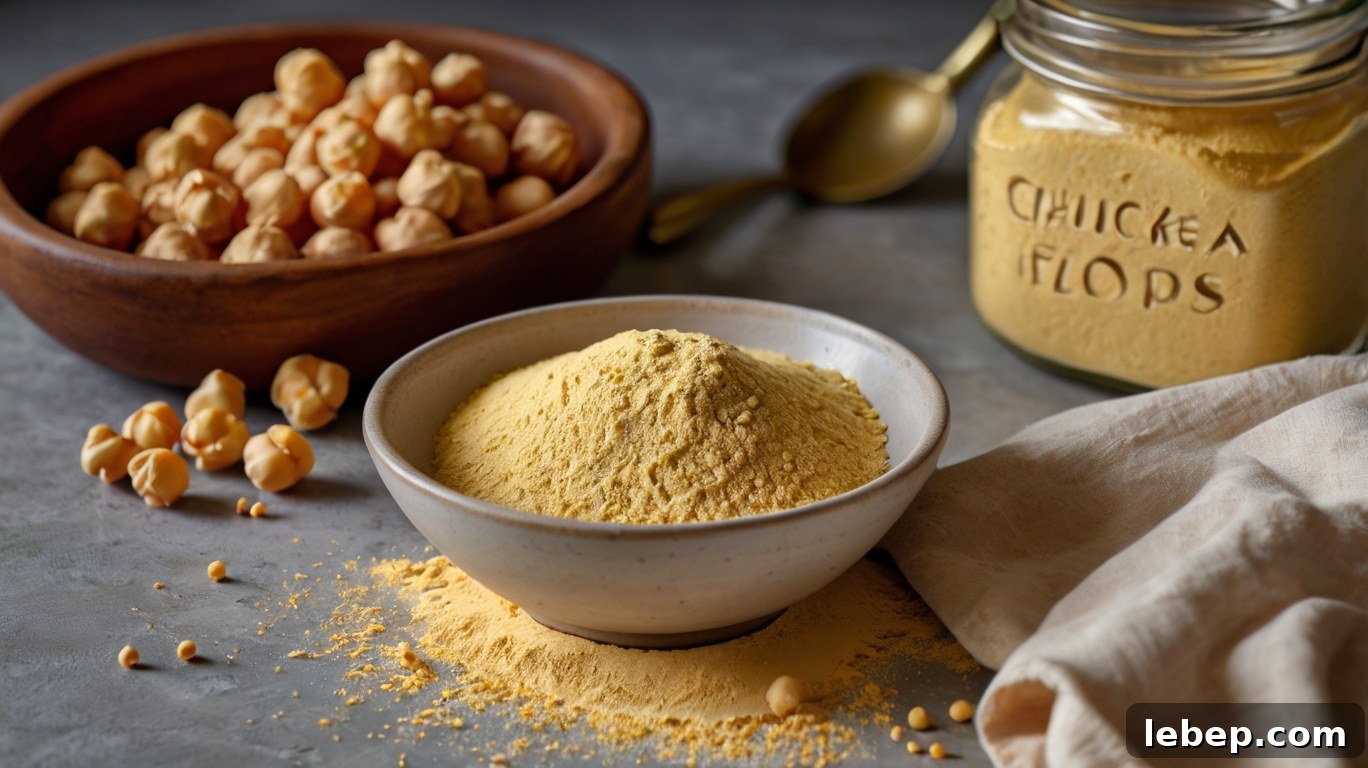
1. Chickpea (Gram) Flour
- Made from ground dried chickpeas; high in protein and fiber with a low GI.
- Provides structure in gluten-free baking and is commonly used in flatbreads, fritters, and savory dishes.
2. Lentil Flour
- Ground dried lentils; rich in protein, fiber, iron, and magnesium.
- Low GI and useful for denser breads, pancakes, muffins, savory fritters, and as a thickener.
Seed-Based Flours
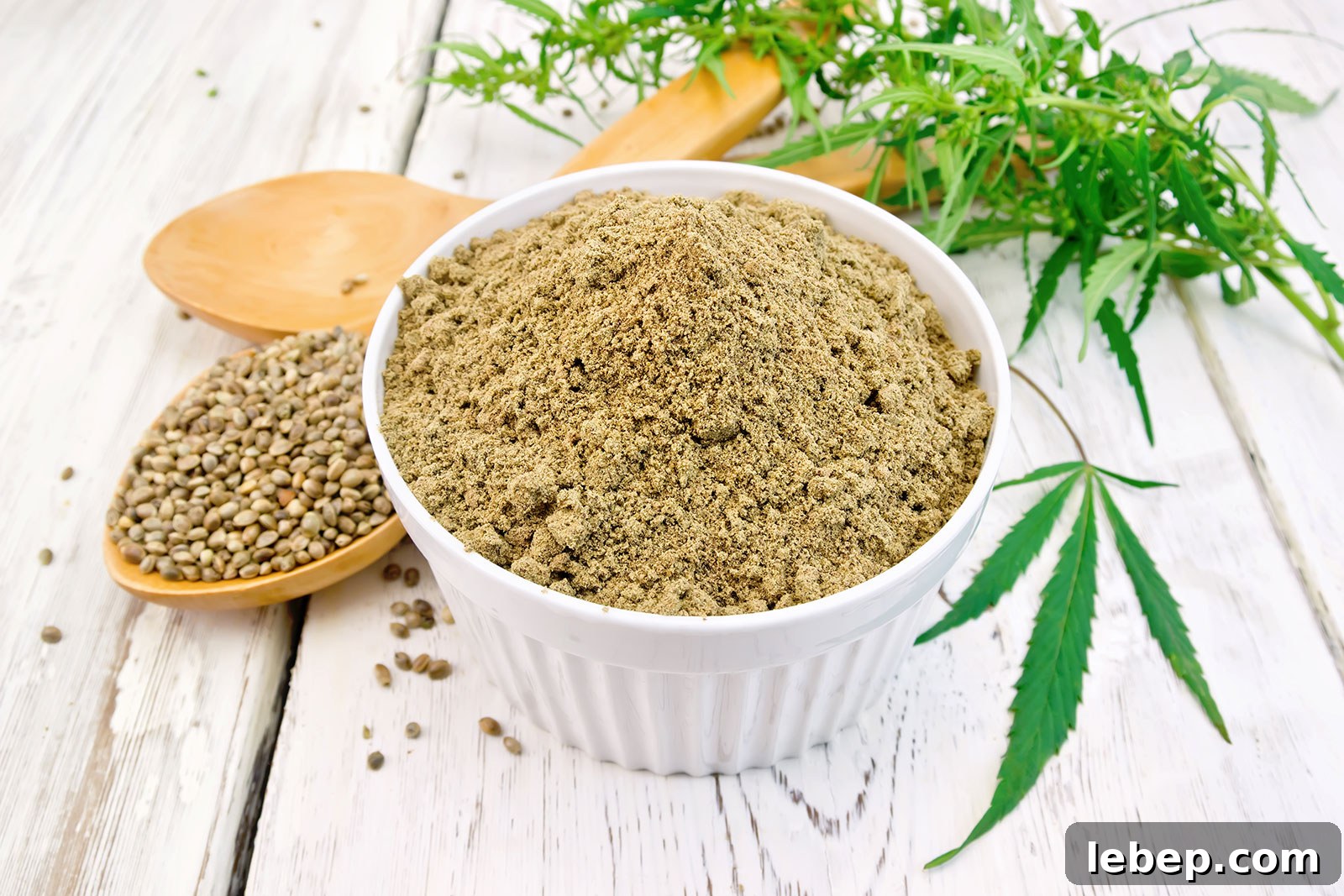
Hemp Seed Flour
- High in protein, fiber, and omega fats; dense and nutty, so use around 20–25% of a flour blend for best texture.
- Great in muffins, breads, energy bars, or added to smoothies and porridge for extra nutrition.
Flaxseed Flour
- Ground flaxseed; high in fiber and omega-3s and used as an egg substitute when mixed with water.
- Adds moisture and structure to baked goods and can be mixed into smoothies or granola.
Sunflower Seed Flour
- Made from ground sunflower seeds; a nut-free alternative with healthy fats, protein, and fiber.
- Useful in breads, muffins, cookies, energy bars, and as a coating for baked items.
The Role of Starches in Gluten-Free Baking
Starches provide lightness, chew, and binding power in gluten-free recipes. They are usually blended with whole flours to produce a desirable texture.
1. Tapioca Starch
- Extracted from cassava root; adds elasticity, chewiness, and crispness to baked goods.
- High GI and mainly carbohydrate, so use sparingly and combine with nutrient-rich flours.
- Also an effective thickener for sauces and pie fillings and commonly used in AIP recipes.
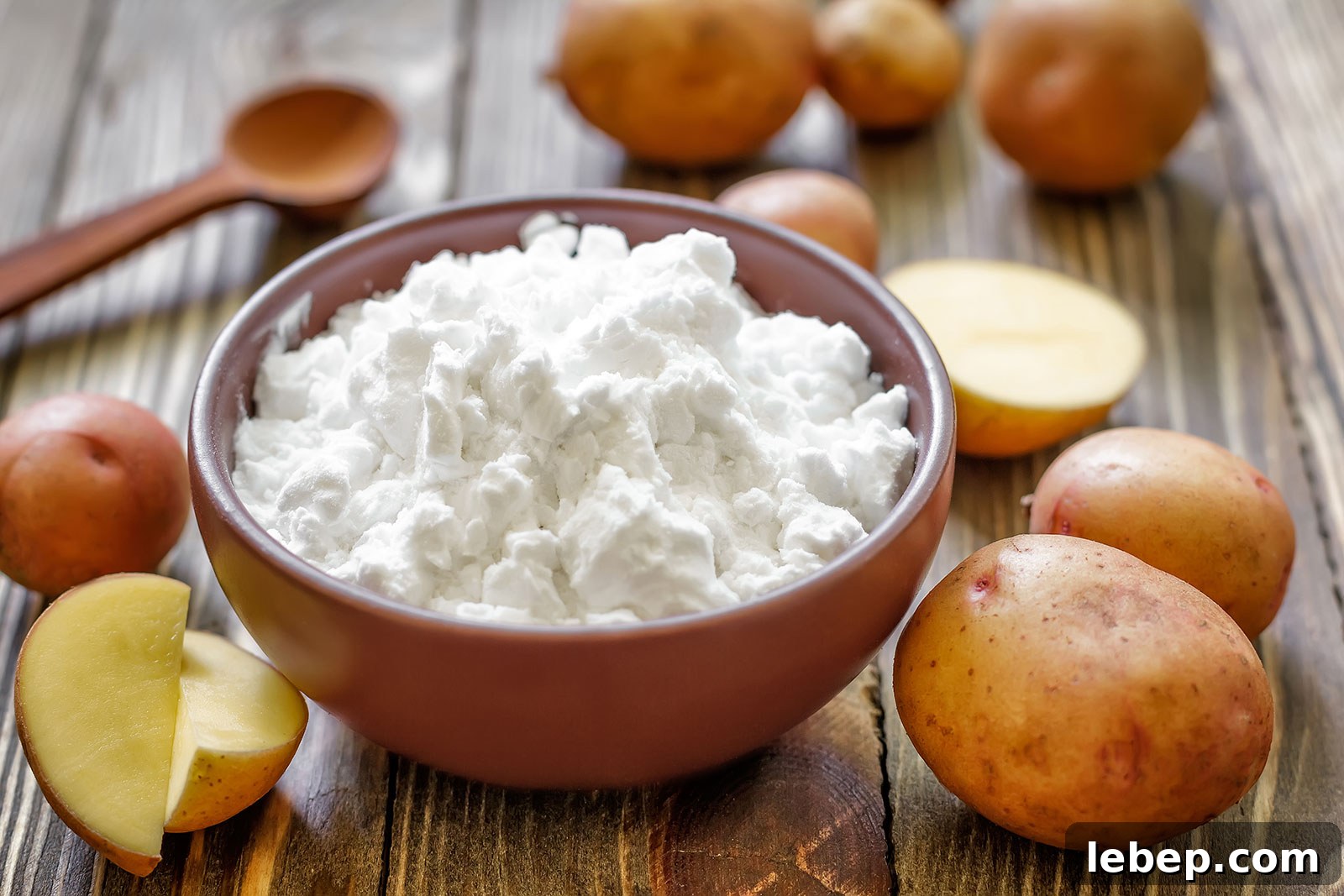
2. Potato Starch
- Light and neutral, it improves crumb and tenderness in cakes, breads, and cookies.
- Also a reliable thickener for soups and gravies; low in nutrients and high GI, so balance with other ingredients.
3. Arrowroot Powder
- Light, digestible starch with a neutral flavor and lower GI than some alternatives.
- Great for lightening baked goods and for clear, glossy thickening in sauces and puddings; popular in paleo and AIP recipes.
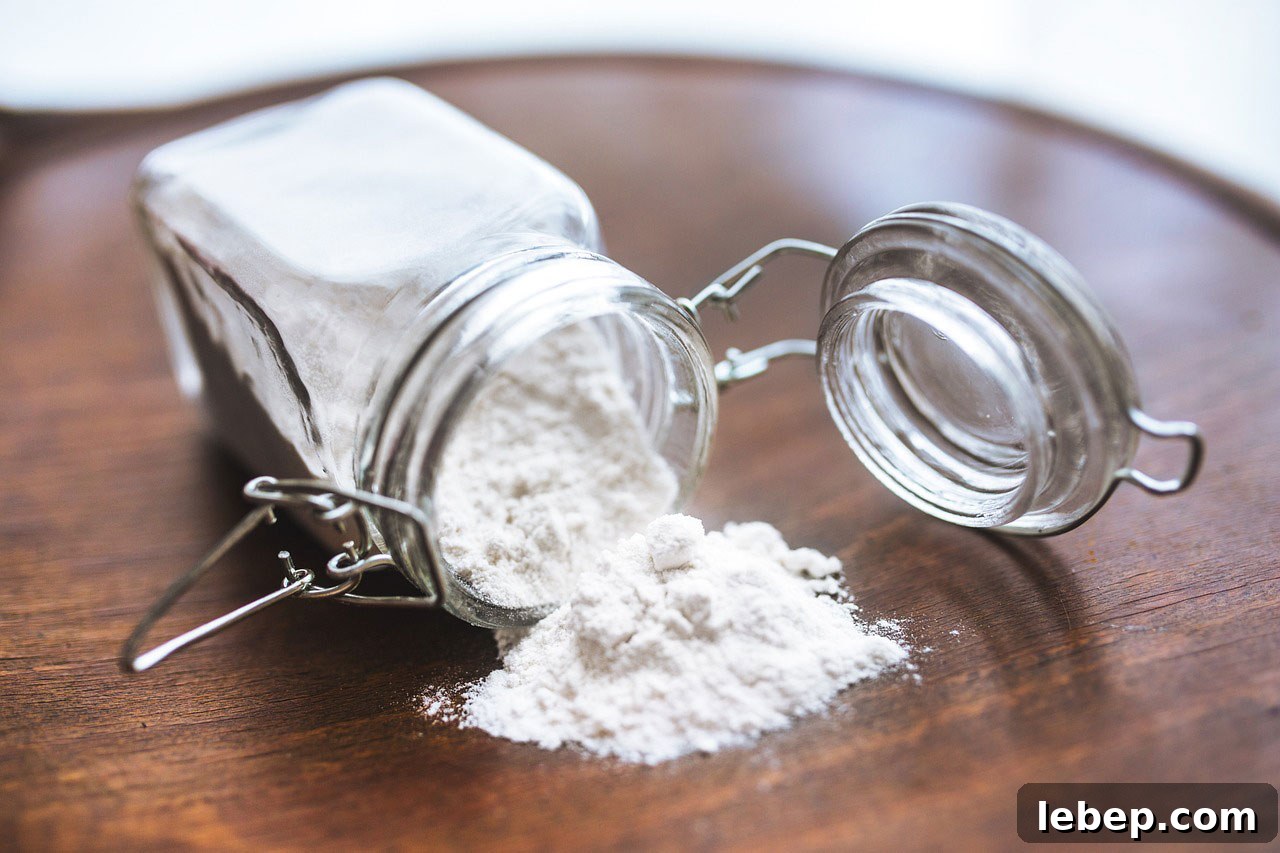
4. Cornstarch
- Widely used for tender crumbs in baked goods and as a thickener for sauces and fillings; mostly carbohydrate and should be used in moderation.
Essential Flours and Starches for Beginners
Start with a small, versatile shopping list to build confidence in gluten-free baking:
- Flours: White rice flour, brown rice flour, oat flour, almond flour, chickpea flour, coconut flour.
- Starches: Tapioca starch and potato starch.
- Consider a good pre-made gluten-free flour blend for convenience while you learn how different flours behave.
Tips for Gluten-Free Success
- Mix and Match: Combine flours and starches—no single gluten-free flour usually does it all.
- Start Simple: Practice with easy recipes like pancakes, muffins, and cookies to learn texture and hydration needs.
- Experiment: Different flours bring distinct flavors and textures; tweak ratios and binding agents until you find your preferred blends.
Your Gluten-Free Adventure Awaits
Embracing gluten-free flours and starches expands your culinary options. It takes some practice to master textures and ratios, but with a few staples and experimentation, you can make everything from tender pancakes to satisfying loaves. Stock your pantry, mix a few blends, and enjoy exploring the many tastes and textures of gluten-free cooking.
The gluten-free kitchen is ready—start experimenting and discover what works best for your palate and needs.