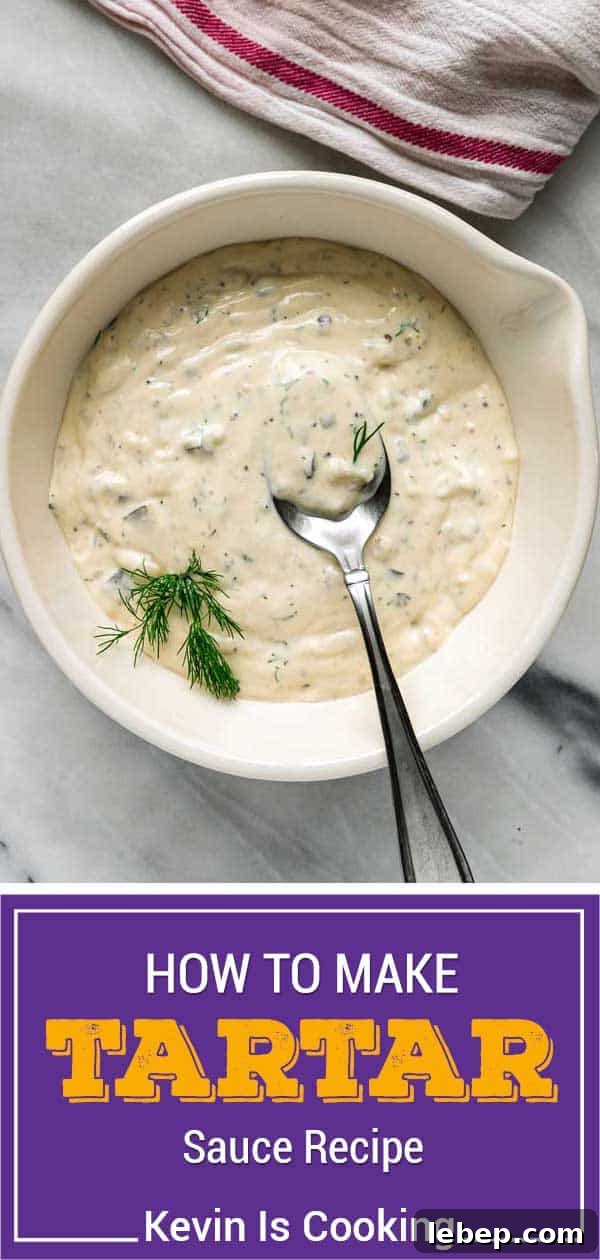
This tartar sauce is ultra-tangy, simple to make, and elevates everything from fish sticks to shrimp and fries. Briny dill pickles add bright flavor and crunch, while a creamy mayonnaise base keeps it irresistible — you’ll be reaching for second helpings of dip.
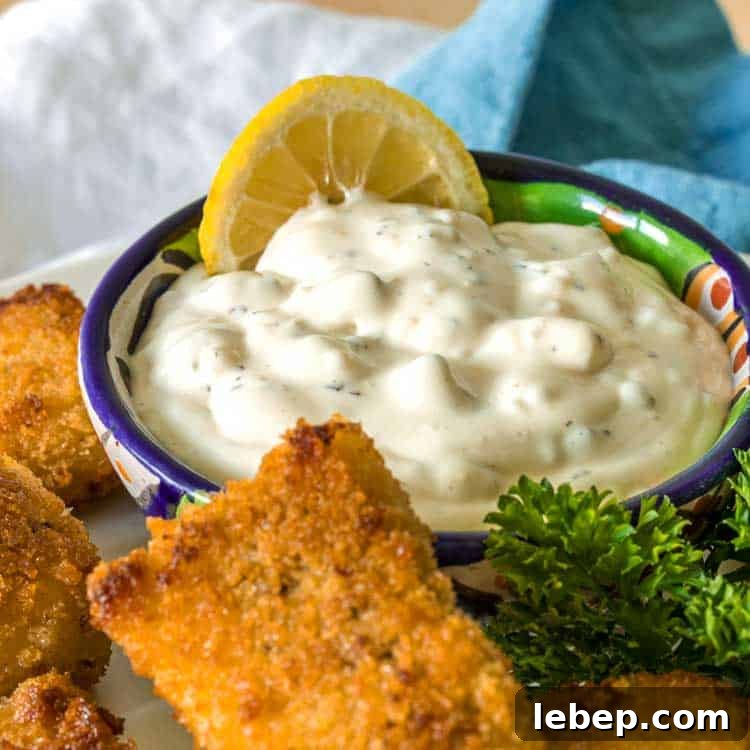
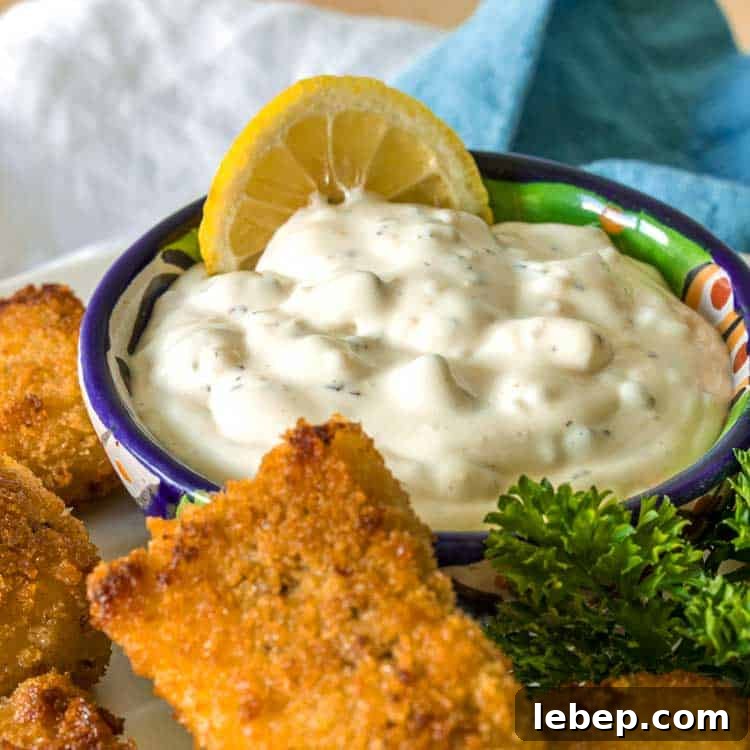
Tartar sauce is a quiet kitchen champion: it rarely takes center stage, but when it’s missing you notice right away. For me it’s inseparable from crispy fish — whether baked fish sticks or pan-seared salmon, a smear of this sauce makes every bite better.
A great tartar sauce balances creamy richness, bright tang, and just enough pickle crunch to add texture. That’s exactly what this version delivers.
Table of Contents
- Homemade is better
- Ingredient Notes and Substitutions
- How to Make Tartar Sauce
- Recommended Tools
- Serving Suggestions
- Frequently Asked Questions
- How to Make Tartar Sauce Recipe
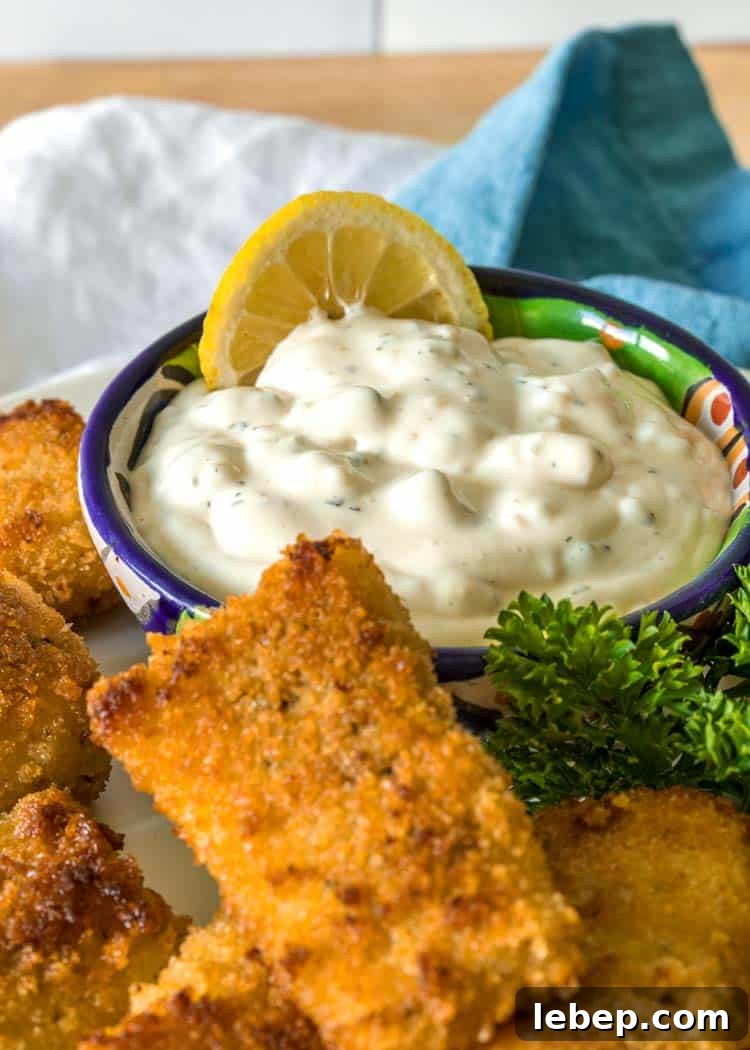
You can buy jarred tartar sauce, but homemade is flexible and fast. Want more bite? Add extra pickle juice. Prefer it herbier? Increase the dill or add parsley. A few small tweaks let you tailor the sauce to your taste.
Tip From Kevin
Homemade is better
Once you have this tartar sauce in the fridge you’ll find excuses to use it: fish sticks, shrimp, crab cakes, sandwiches — it works everywhere. It’s quick, reliable, and gives a restaurant-quality finish with very little effort. You can stir it together in about 10 minutes.
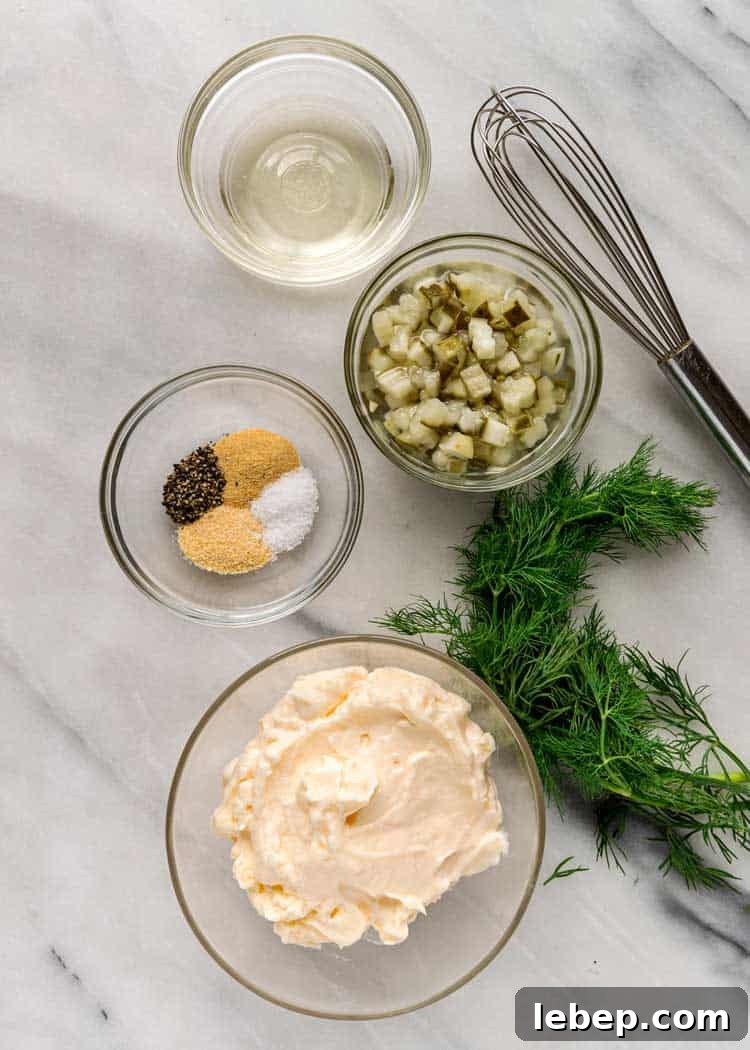
Ingredient Notes and Substitutions
(See the recipe card below for exact quantities)
- Mayonnaise: This is the base — choose a mayo you like. Use regular mayo for classic richness or swap in avocado oil mayo or a lighter variety if preferred.
- Dill Pickles & Pickle Juice: These provide the tang and crunch. Sweet pickles are an option but will add sweetness; if you use them, reduce vinegar elsewhere.
- Rice Wine Vinegar: Adds brightness without harshness. White wine vinegar or lemon juice make good substitutes.
- Dill (Fresh or Dried): Fresh dill gives a brighter herb note, but dried dill works well for weeknight cooking.
- Garlic & Onion Powder: Provide depth without overpowering. Avoid raw garlic — it can dominate the sauce.
How to Make Tartar Sauce
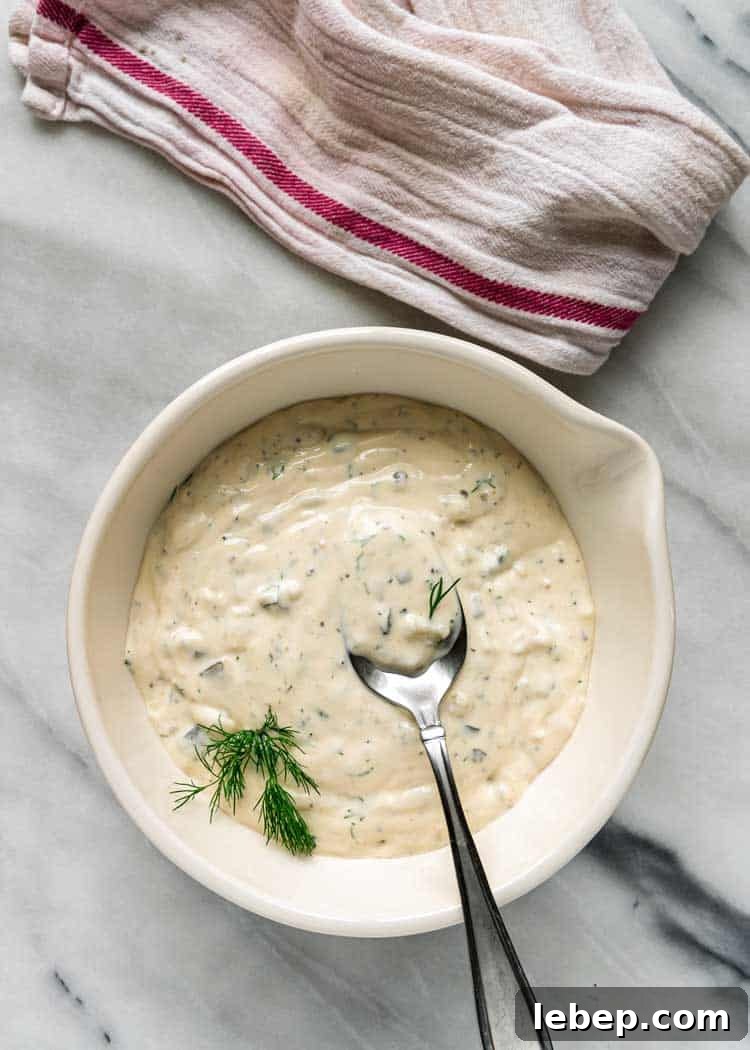
- Mix the base. Combine mayonnaise, diced pickles, and a splash of pickle juice in a bowl.
- Build the flavor. Stir in vinegar, garlic powder, onion powder, dill, salt, and pepper until evenly mixed.
- Taste and tweak. Adjust acid, salt, or herbs to suit your preference.
- Chill or serve. You can serve immediately, but refrigerating briefly lets flavors meld.
Recommended Tools
- Medium mixing bowl: Easy for stirring without splashing.
- Chef’s knife: To finely dice pickles.
- Silicone spatula or spoon: Useful for scraping the bowl clean.
Serving Suggestions
This tartar sauce pairs beautifully with fish sticks, but try it also:
- as a dip for spicy fried shrimp
- inside beer-battered fish tacos for a touch of creaminess
- as a spread on fish sandwiches or burgers
- with fries, onion rings, or roasted potatoes
- as a light base for creamy slaw or potato salad (use sparingly)
Frequently Asked Questions
It probably needs more acid or salt. Add a splash of vinegar or pickle juice and a pinch of salt, stir, and re-taste.
That’s up to you. Finely chopped pickles create a smoother sauce; a coarser chop adds crunch and pickle “pop.” Keep pieces fairly uniform for the best texture.
Stir in a teaspoon at a time of pickle juice, lemon juice, or vinegar until you reach the desired consistency. Start with pickle juice, but use whichever you have on hand and add cautiously to avoid over-acidifying.
How to Make Tartar Sauce
Print Recipe
Ingredients
- 1 cup mayonnaise
- 1/2 cup dill pickles, diced
- 1 tsp pickle juice
- 2 tsp rice wine vinegar
- 1/2 tsp each garlic and onion powder
- 1/2 tsp dried dill (or 1 tbsp fresh), chopped
- 1/4 tsp each salt and black pepper
Instructions
-
Mix all ingredients together in a small bowl until thoroughly combined. Store covered in the refrigerator for up to 2 weeks.
Notes
Nutrition
| Calories: 64kcal
| Carbohydrates: 1g
| Protein: 1g
| Fat: 7g
The nutrition information is an estimate and should not replace professional advice.
Have You Made This Recipe? Let Me Know on InstagramTag @keviniscooking or use #keviniscooking