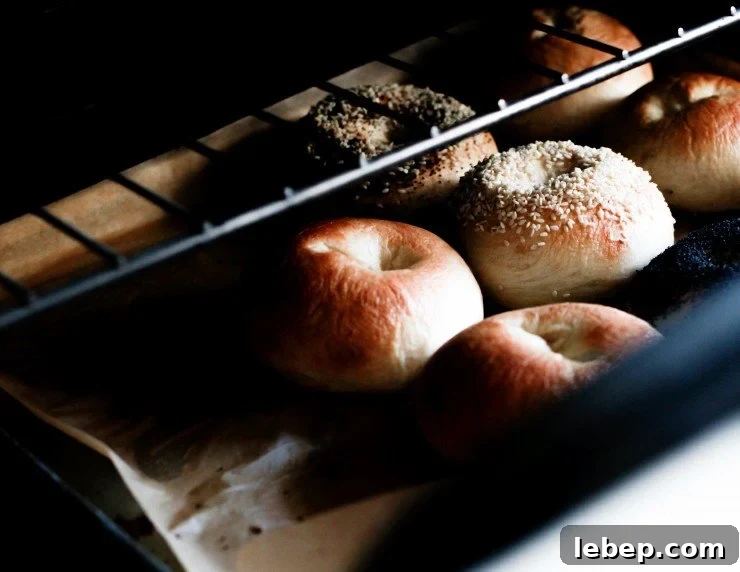
This easy homemade New York-style bagel recipe yields chewy, flavorful bagels made from simple pantry ingredients. Follow classic techniques—proofing yeast, kneading, shaping, briefly boiling, and baking—for authentic results with a soft interior and shiny crust.
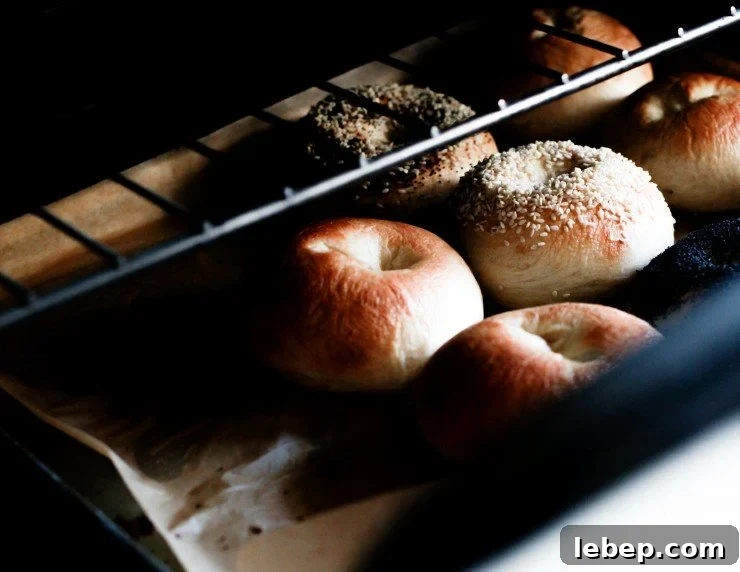
This recipe has been refined over many years to deliver consistent, delicious New York-style bagels without exotic ingredients or special equipment. It’s a same-day method that comes together in about two hours and produces bagels that are excellent fresh from the oven or toasted the next day.
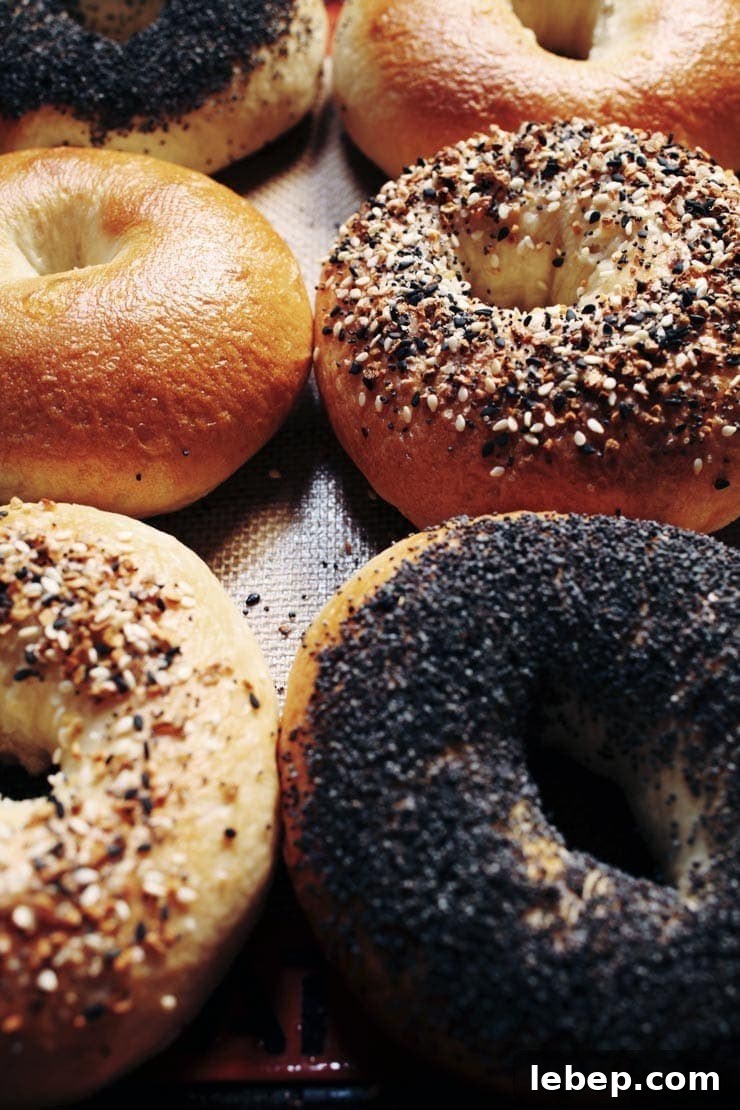
As a native New Yorker, the author prefers classic, modestly sweet bagels: chewy on the inside with a soft, shiny crust. The defining step is briefly boiling the shaped dough before baking—an odd step if you haven’t tried it, but essential to the bagel’s texture and shine.
This recipe is adapted from a reliable bread cookbook and tuned for home bakers. It uses straightforward ingredients—yeast, sugar, water, flour, and salt—and produces bakery-quality results that will rival local bagel shops.
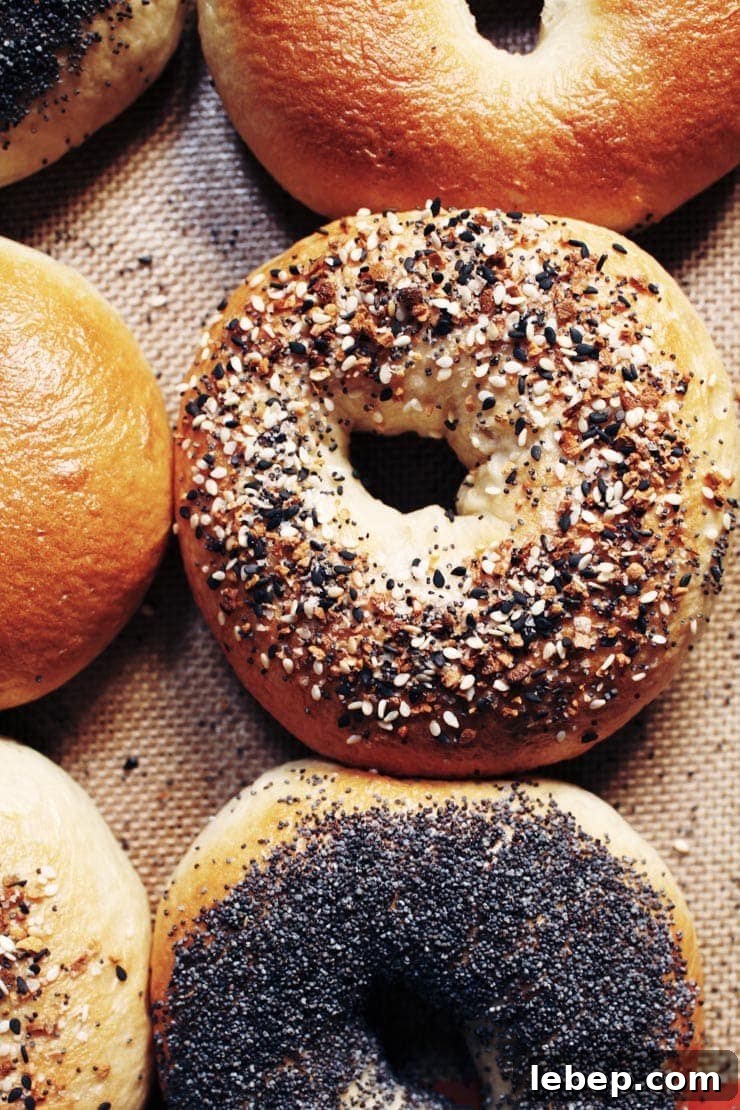
Making these bagels is satisfying and approachable. The process teaches important dough-handling skills and is adaptable for different flours, toppings, and make-ahead options. Below are ingredients, step-by-step instructions, serving suggestions, and a helpful FAQ.
Homemade Bagel Recipe Ingredients
The process breaks into four parts: making and resting the dough, shaping and boiling, topping, and serving. Gather the following basics:
The Bagel Dough
- Granulated sugar: A small amount sweetens the dough and helps activate the yeast.
- Active dry yeast: Drives the rise and structure. Instant yeast can be substituted in equal measure without proofing.
- Lukewarm water: About 105–115°F (40.5–46°C) to activate yeast. Water amount is a guide—aim for a smooth, moist but firm dough.
- Bread flour: Higher protein produces the classic chew. All-purpose flour works if needed, but results will be less chewy. You can boost AP flour with a little vital wheat gluten if desired.
- Fine sea salt: Balances and highlights flavor.
Shaping and Boiling the Bagels
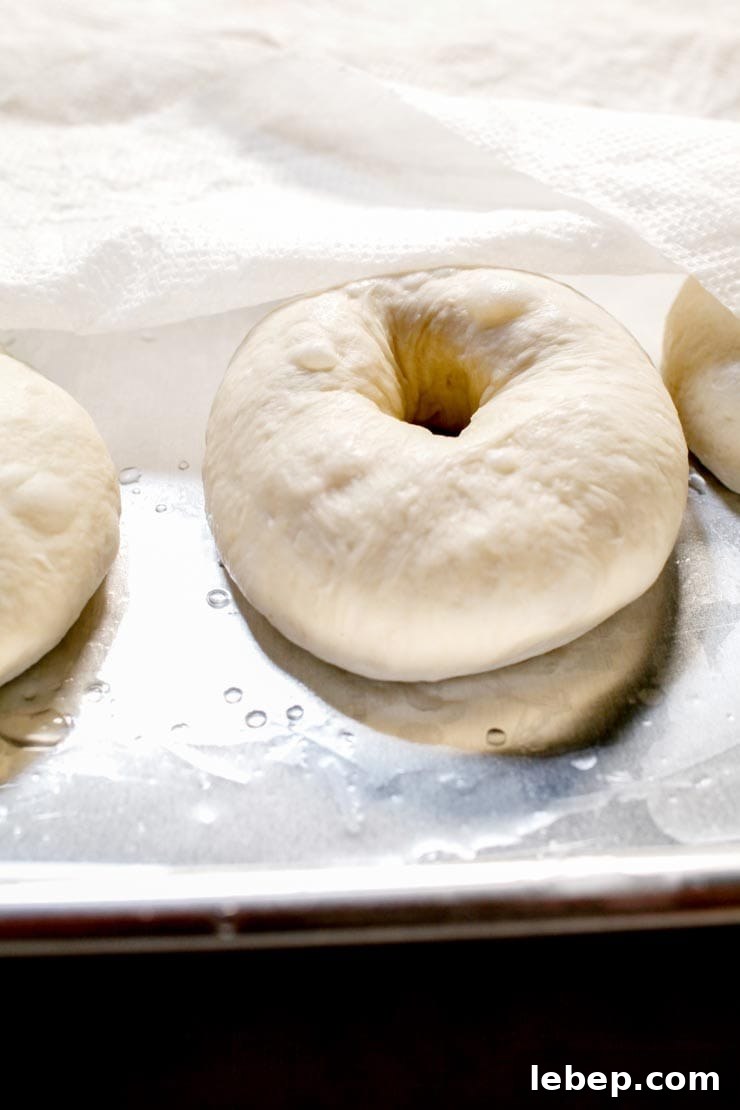
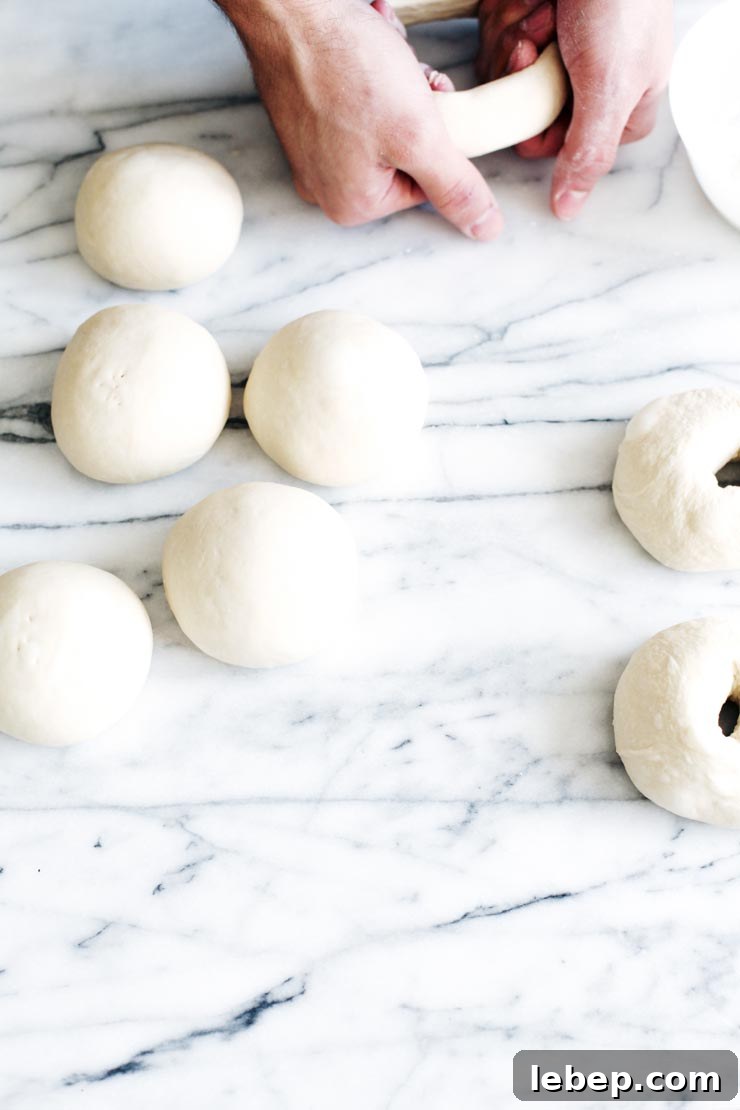
Traditional shaping can be done by rolling logs and joining ends, but this recipe uses a simpler method: form tight rounds, poke a center hole, and gently stretch to create rings. After a short rest, poach each ring briefly in simmering water—this step creates the chewy interior and glossy crust.
You may flavor the poaching liquid with barley malt, honey, or brown sugar for extra sweetness and shine, but plain water works perfectly every time.
Bagel Toppings
Toppings are a personal choice. Popular options include everything seasoning, poppy seed, sesame seed, minced onion or garlic, coarse salt, caraway seeds, or cinnamon-sugar for a sweet variation. Apply toppings after boiling while the surface is still tacky so they stick.
What to Serve With Bagels
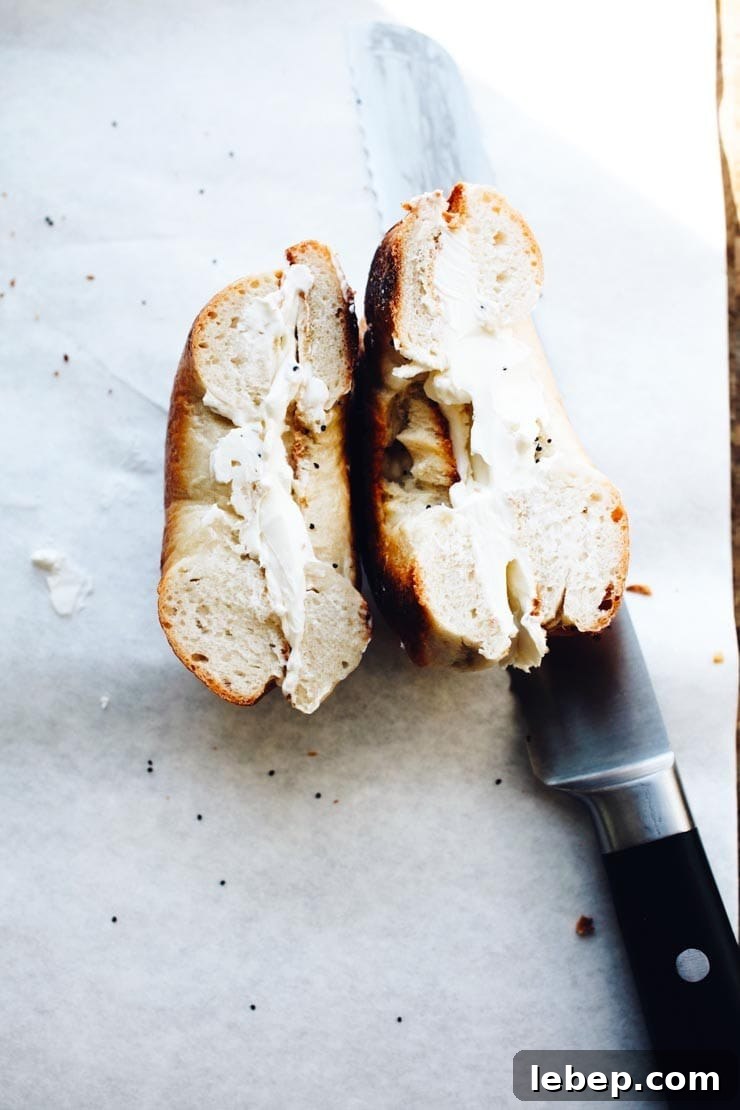
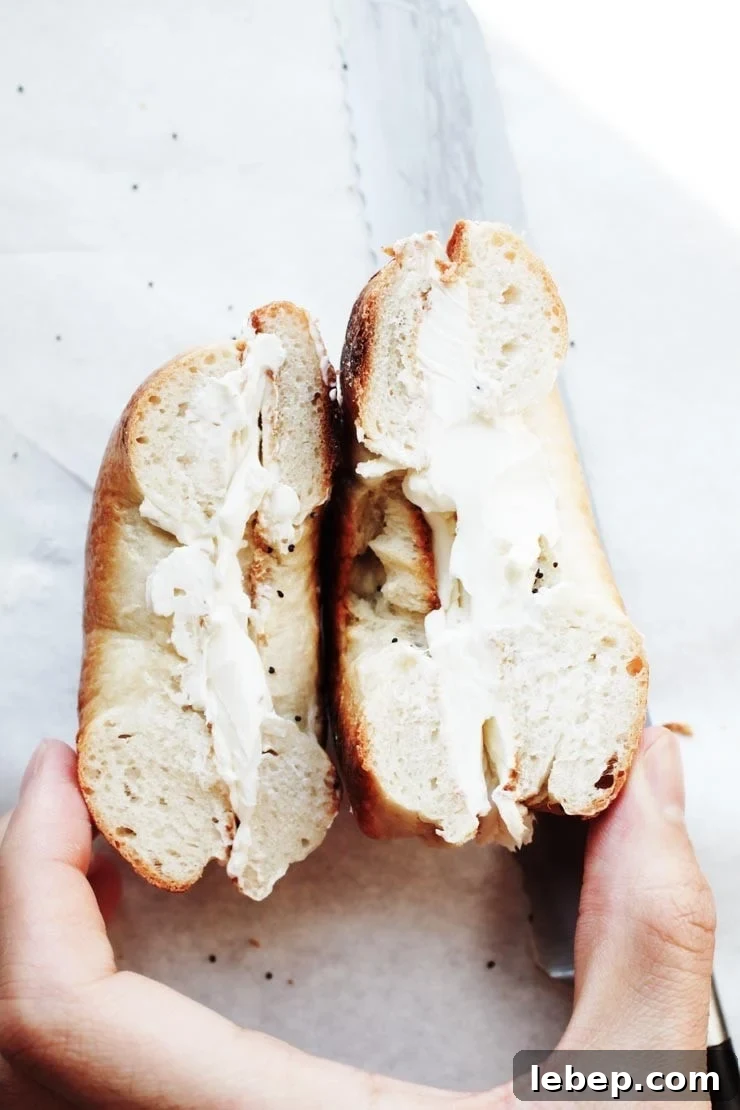
A “schmear” of cream cheese is classic. Other favorites include lox with red onion and capers, avocado with salt and pepper, or an egg-and-cheese sandwich for a deli-style breakfast. Bagels also pair beautifully with butter and jam or simply toasted and buttered.
How to Make Homemade New York-Style Bagels
Proof the yeast: Combine sugar and active dry yeast with half a cup of lukewarm water. Let sit about 5 minutes until bubbly, then stir to dissolve.
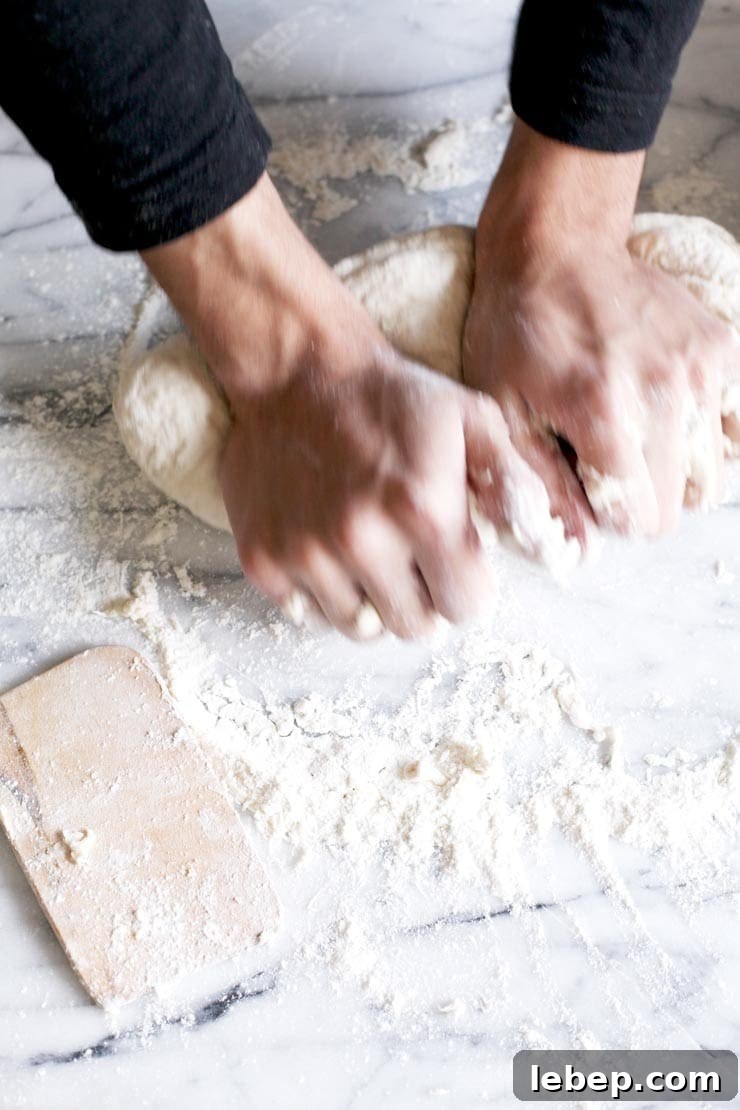
Mix the dough: In a bowl combine flour and salt, make a well, add the yeast mixture, then add more warm water as needed to create a moist, firm dough. Knead by hand about 10 minutes until smooth and elastic, or 5–6 minutes on low speed with a stand mixer and dough hook.
Place the kneaded dough in a lightly oiled bowl, cover, and let rise about 1 hour at room temperature (or refrigerate overnight for a cold rise and more developed flavor). If refrigerated, let the dough come to room temperature for 30 minutes before shaping.
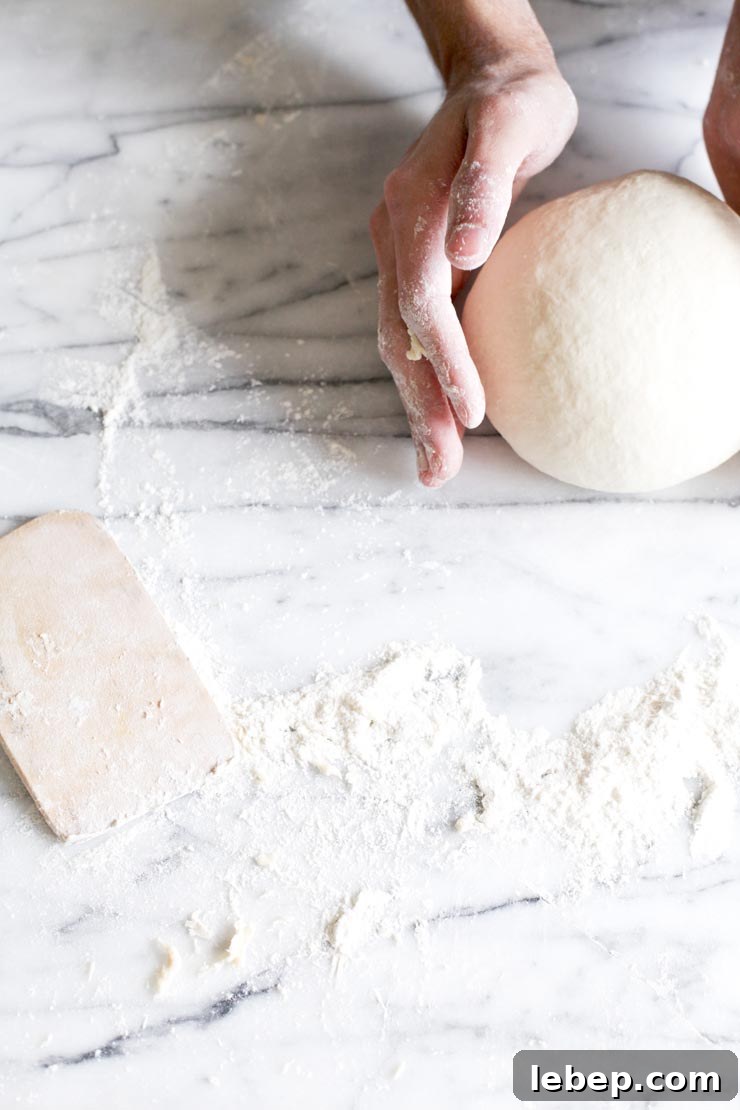
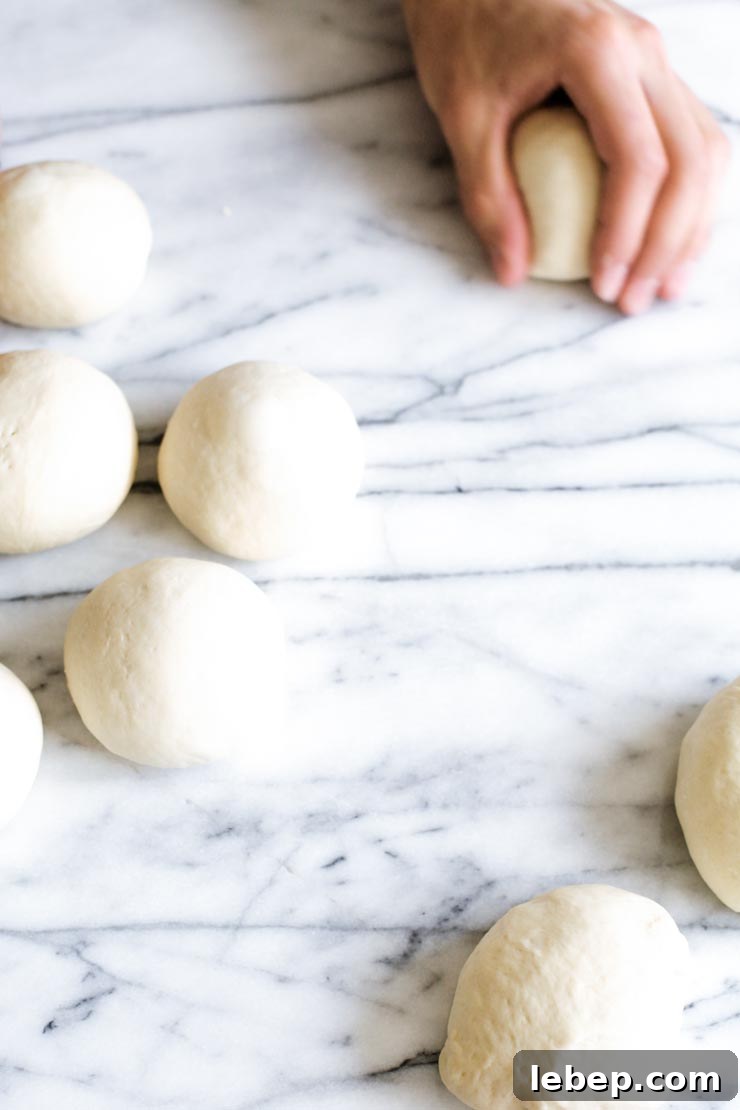
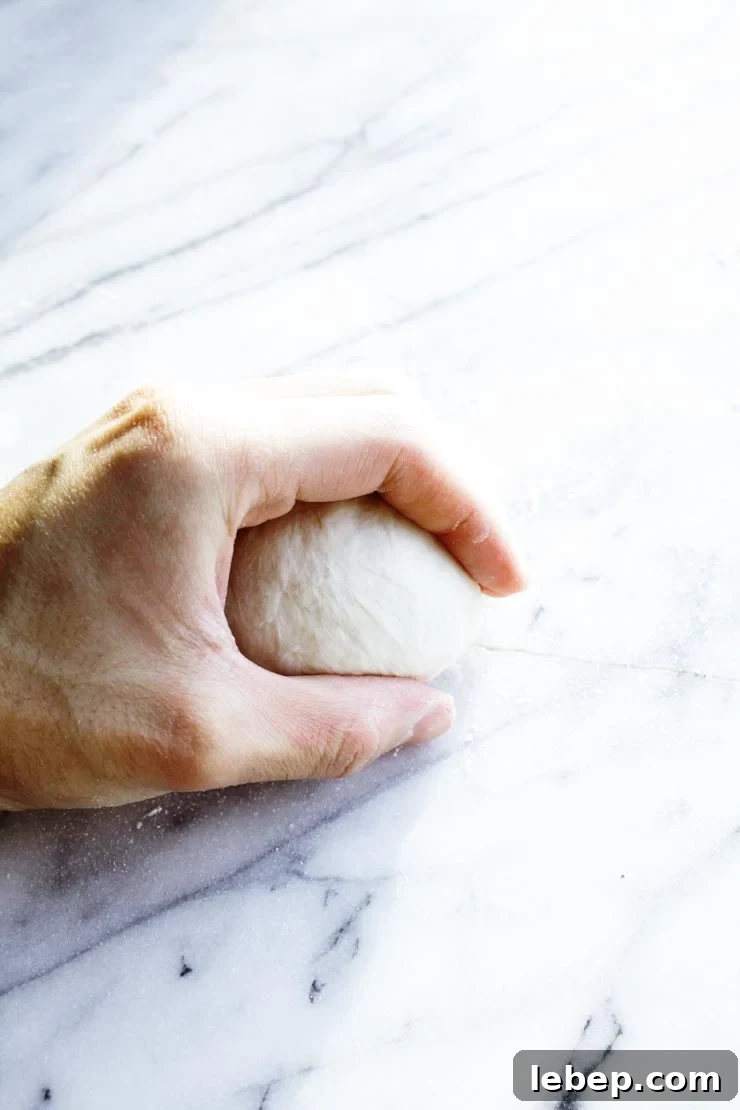
Divide and shape: Deflate the dough and divide into 8 even portions. Form each portion into a smooth round without adding extra flour. Create rounds by cupping the dough and moving it in a slow circular motion against the work surface until taut.
Form the rings: Dust a finger with flour and press into the center of each round. Stretch gently to form rings about one-third larger than the final bagel diameter and place on a prepared baking sheet to rest briefly.
Boil the bagels: Bring a large pot of water to a boil, then reduce to a simmer. Use a slotted spoon to lower bagels into the water without overcrowding. Poach 1 minute per side for a standard chew; extend to 2 minutes per side for a firmer, chewier crust.
Top and bake: Remove bagels from the water, add toppings while wet, and transfer to a parchment-lined or lightly oiled baking sheet. Bake at 425°F (220°C) for 20–25 minutes, until evenly golden brown.
Let bagels cool a few minutes before handling. They are irresistible warm with a schmear of cream cheese, but they also store and freeze well for later use.
Serving Suggestions
There’s no single correct way to enjoy a bagel. Classic ideas include:
- Bagel with cream cheese: Plain or flavored, a generous schmear is a must for many.
- Bagel with butter and jam: Toast and spread with high-quality butter and your favorite jam.
- Bagel with lox: Cream cheese, smoked salmon, red onion, tomato, cucumber, and capers.
- Bagel with avocado: Toasted, smashed avocado, seasoning, and optional bacon.
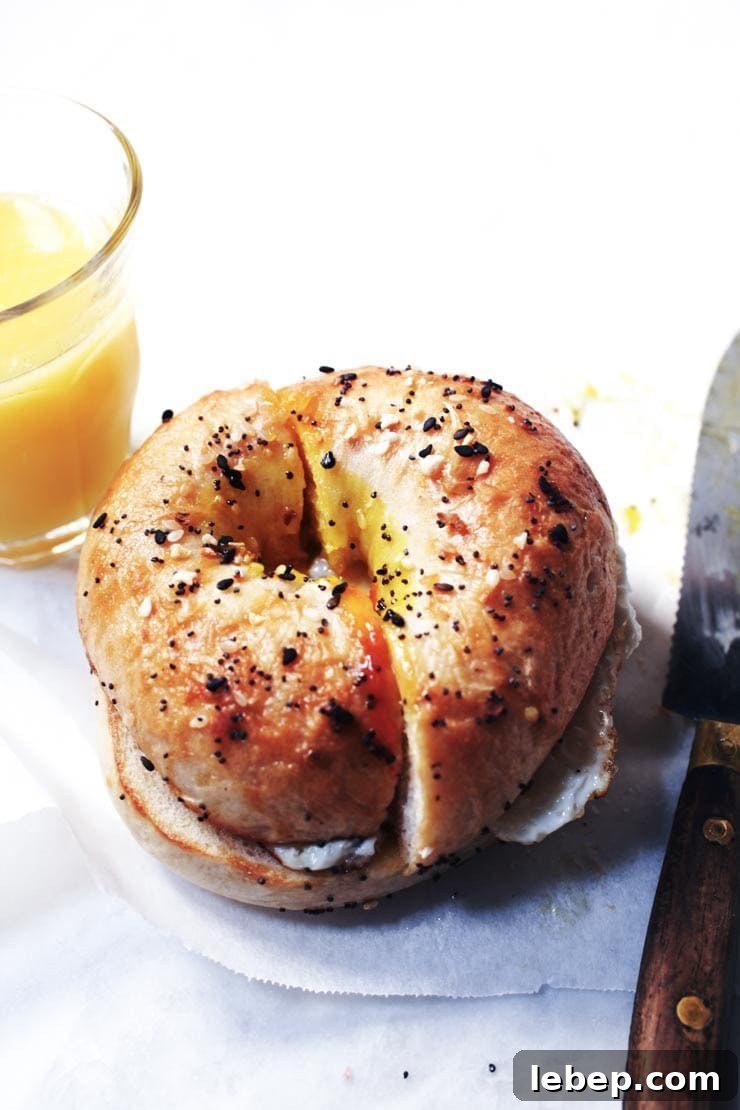
- Bagel with egg and cheese: Deli-style breakfast sandwich with egg, cheese, and optional bacon or hot sauce.
Tips, Variations, and Storage
- Flour choices: Bread flour gives the best chew; all-purpose flour works in a pinch. Add vital wheat gluten to AP flour for a closer result to bread flour.
- Gluten-free option: Use a 1:1 gluten-free flour blend and handle the softer dough gently; skip kneading and shape after a shorter rise.
- Shine and sweetness: Add barley malt to the dough or poaching water for a shinier, slightly sweeter crust, or use honey or brown sugar in the poaching water.
- Make-ahead: Refrigerate the dough overnight for a cold rise. Par-bake or freeze finished bagels; slice before freezing for easy toasting.
- Storage: Bagels keep at room temperature for up to two days in a sealed bag; freeze for longer storage.
Frequently Asked Questions
Common concerns include yeast swaps, flour substitutions, proofing temperatures, and pan-prep. In brief:
- Instant yeast: Use equal amounts and add directly to flour—no proofing required.
- Fresh yeast: Use about 2.5 times the weight of active dry yeast and skip proofing if following fresh yeast guidance.
- Water temperature for proofing: Aim for 105–115°F (40.5–46°C).
- Prevent sticking: Use parchment or a silicone baking mat and lightly oil if needed.
- High altitude: Consider reducing yeast to 1 teaspoon and allow a longer rise if dough proofs too quickly.
Make these bagels your own: experiment with toppings, flours, and boil times to perfect the texture and flavor you prefer. Enjoy the process—fresh homemade bagels are worth the effort.
Updated February 9th, 2026.