Happy Earth Day! In my kitchen we celebrate Earth Day year-round. Since January, I’ve shared a monthly action to lower your kitchen’s carbon footprint. This month’s challenge: repurpose leftover ingredients and food scraps to cut food waste. When food is thrown away and buried in a landfill, it rots and releases greenhouse gases, so finding creative ways to reuse food prevents waste and reduces emissions.
To inspire practical, tasty ways to repurpose scraps, I asked some favorite registered dietitians for their best tips and recipes. Below are 19 ideas for transforming leftover herbs, aging vegetables, chicken bones, sourdough discard, and other scraps into meals and snacks. Reducing your kitchen carbon footprint can be simple—and delicious.
[Tweet “To reduce food waste and reduce your kitchen carbon footprint, re-purpose leftover ingredients and food scraps into savory homemade broths, pestos, herby ice cubes, hummus, salads, and more #Wellbeing2020 #zerofoodwaste #EarthDay”]
Reduce Your Kitchen Carbon Footprint: 19 Tips & Recipes to Re-Purpose Leftovers and Slash Food Waste
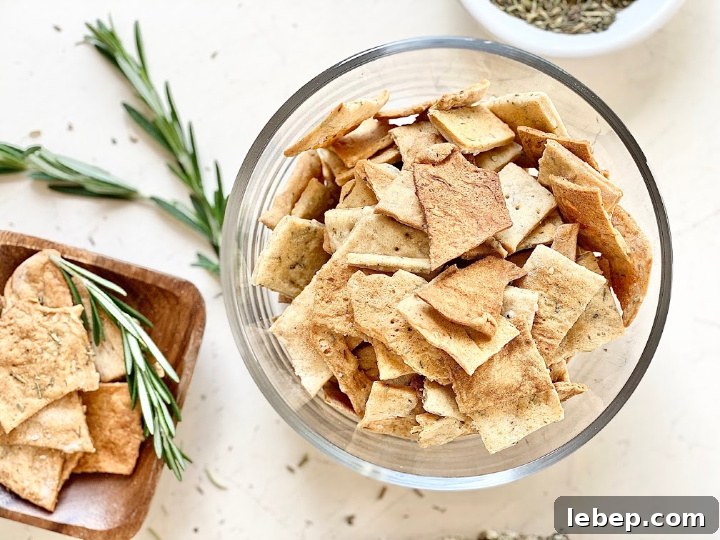
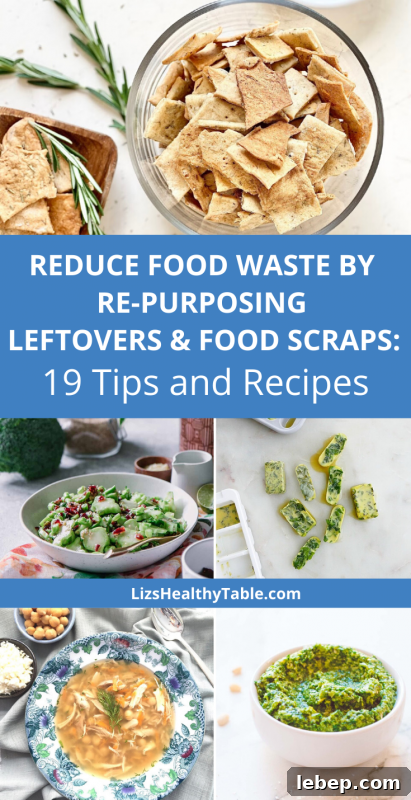
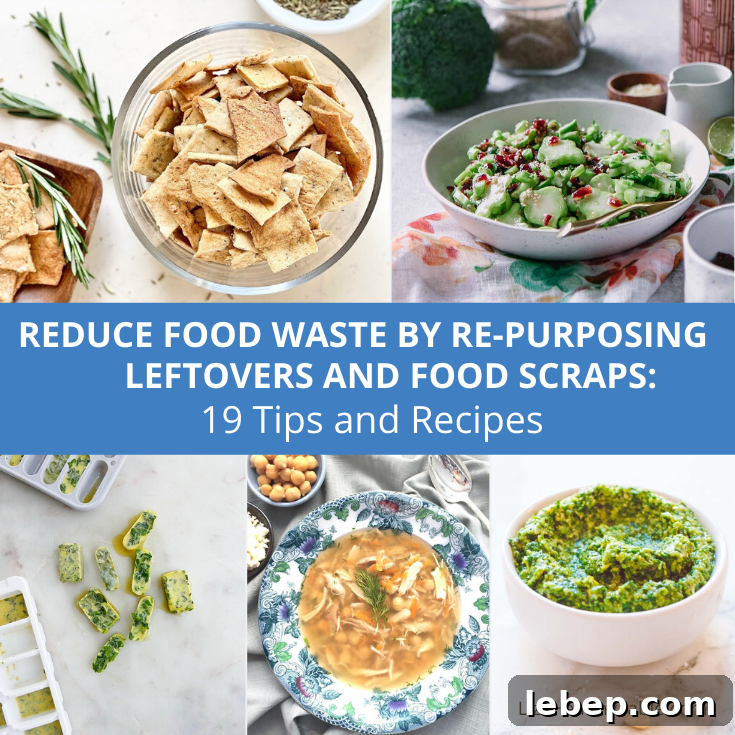
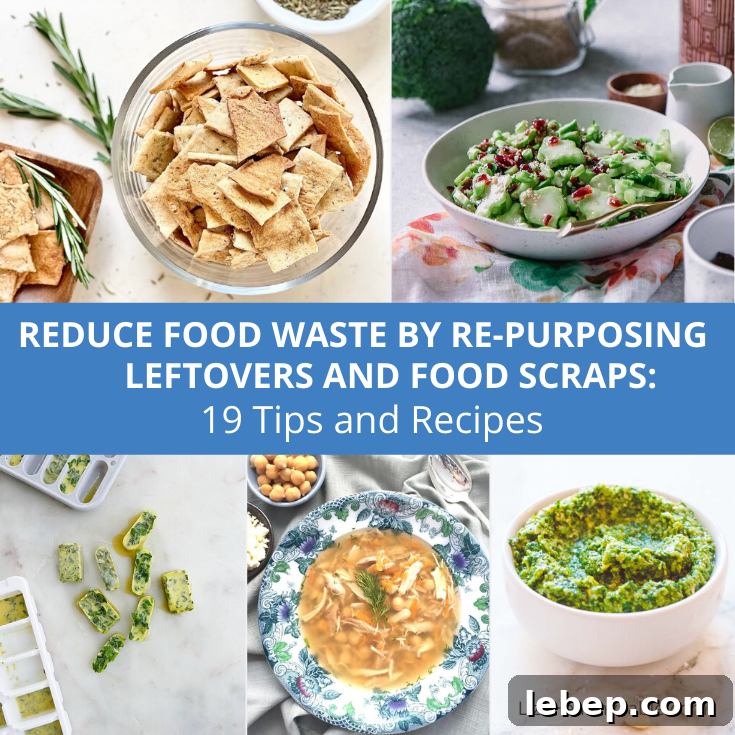
1. Bake your own bread. After taking a sourdough class, many people hold onto sourdough starter instead of tossing it. Use discard to make pancakes, biscuits, pizza dough, or crackers. Sourdough discard crackers are an easy, low-waste snack.
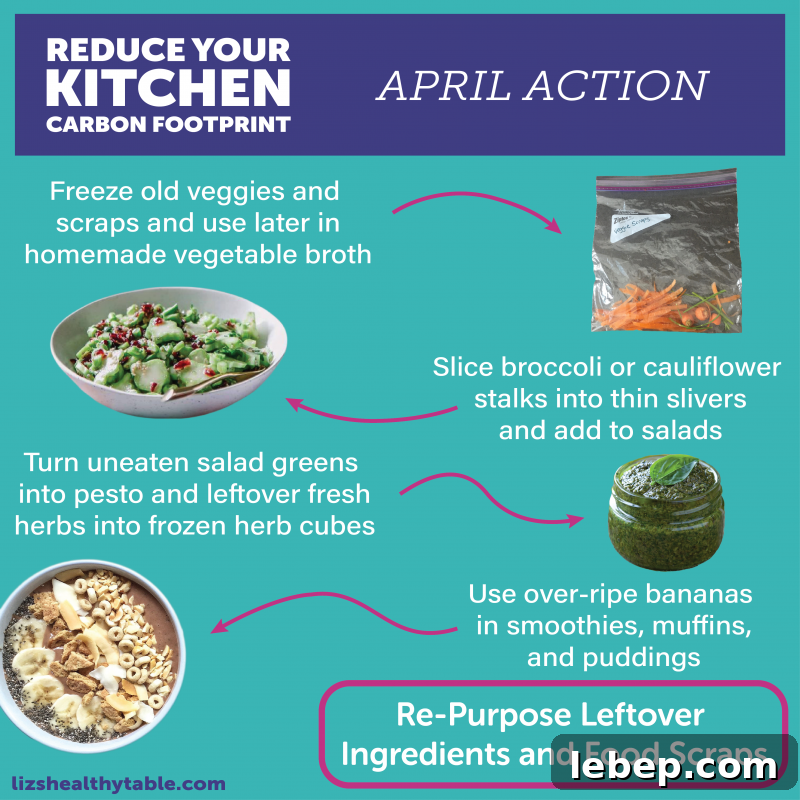
2. Don’t toss old veggies. Slightly limp celery, onions, or carrots can be chopped and frozen in water or broth to add to future soups. Freezing scraps extends their usefulness and simplifies meal prep.
3. Keep the tops. Radish tops are flavorful and work well in pesto or hummus, adding a bright, peppery note. Greens from many vegetables can be blended into spreads or sauces instead of being discarded.
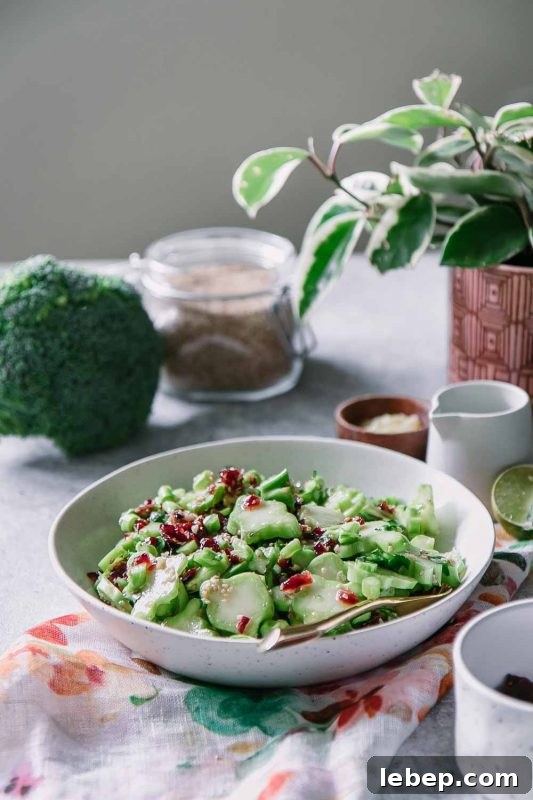
4. Don’t toss stalks. Broccoli stalks can be sliced and tossed with dried fruit, herbs, and a sesame dressing to make a crunchy, flavorful salad. Stalks often contain great texture and nutrition.
5. Embrace kale stems. Finely chopped kale stems sautéed with shallots make a tasty addition to omelets or grain bowls. Instead of discarding stems, incorporate them into cooked dishes where their texture softens.
6. Regrow green onions from scraps. Leave an inch of the root on green onions, place them in water on a sunny windowsill, and new shoots will sprout within days. It’s an easy way to get fresh greens from kitchen remnants.
7. Get creative with salad greens. If you have a bag of greens you don’t want as a salad, use them in soups, smoothies, pesto, or sautés. A little creativity turns wilting greens into satisfying components of other meals.
8. Leave the skin on—or save peels. Many root vegetable skins add flavor and nutrients when left on. If you peel produce, save the peels to bake into crispy vegetable skin chips, a crunchy, zero-waste snack.
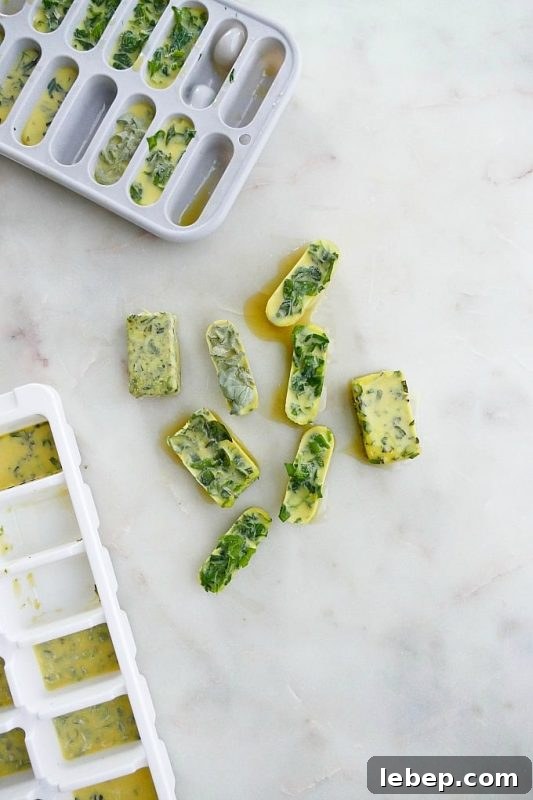
9. Expand your herb repertoire with frozen herb cubes. Chop herbs that are nearing the end of their life, pack them into ice cube trays with a little olive oil or water, and freeze. Pop cubes into soups, sauces, or sautés for instant flavor.
10. Think beyond banana bread. Overripe bananas are ideal for more than banana bread. They make quick vegan puddings, smoothies, or frozen treats—simple ways to use bananas before they spoil.
11. Use whole plants in cultural dishes. Traditional recipes like borscht use beets root to greens. Cooking whole plants maximizes nutrition and minimizes waste—beet greens, stems, and roots can all be delicious.
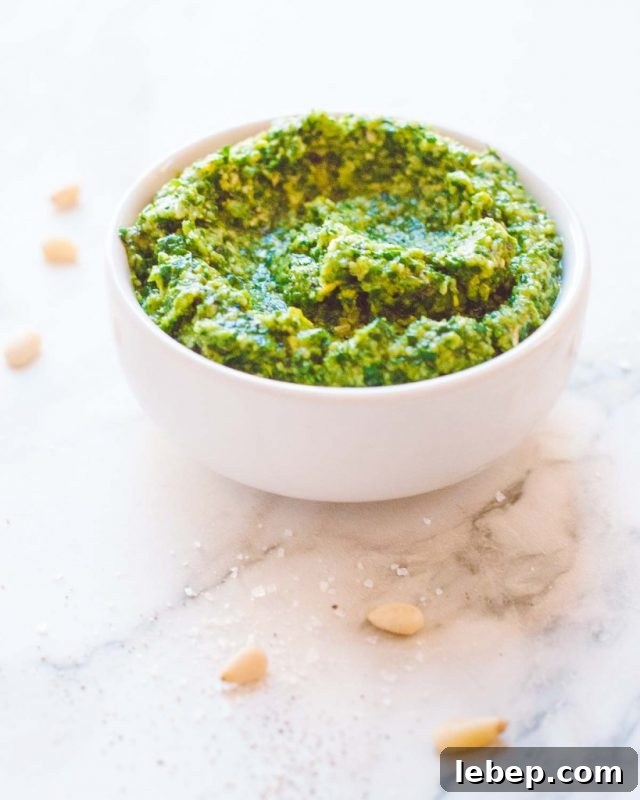
12. Turn wilted lettuce into pesto. Soft or slightly wilted lettuce can be blended into a light pesto, with flexible ingredient swaps based on what you have. This is a tasty way to use greens that might otherwise be thrown out.
13. Use your freezer to avoid waste. Freeze leftover portions or produce that’s nearing spoilage. Ripe bananas, cooked grains, and sauces freeze well and are ready for future meals.
14. Make bone broth and pet food from leftover bones. Simmer bones to extract nutrients into broth. Once softened, bones can be pureed and mixed with broth to make a safe, nourishing treat for pets. Strained bone broth is also great for soups and stews.
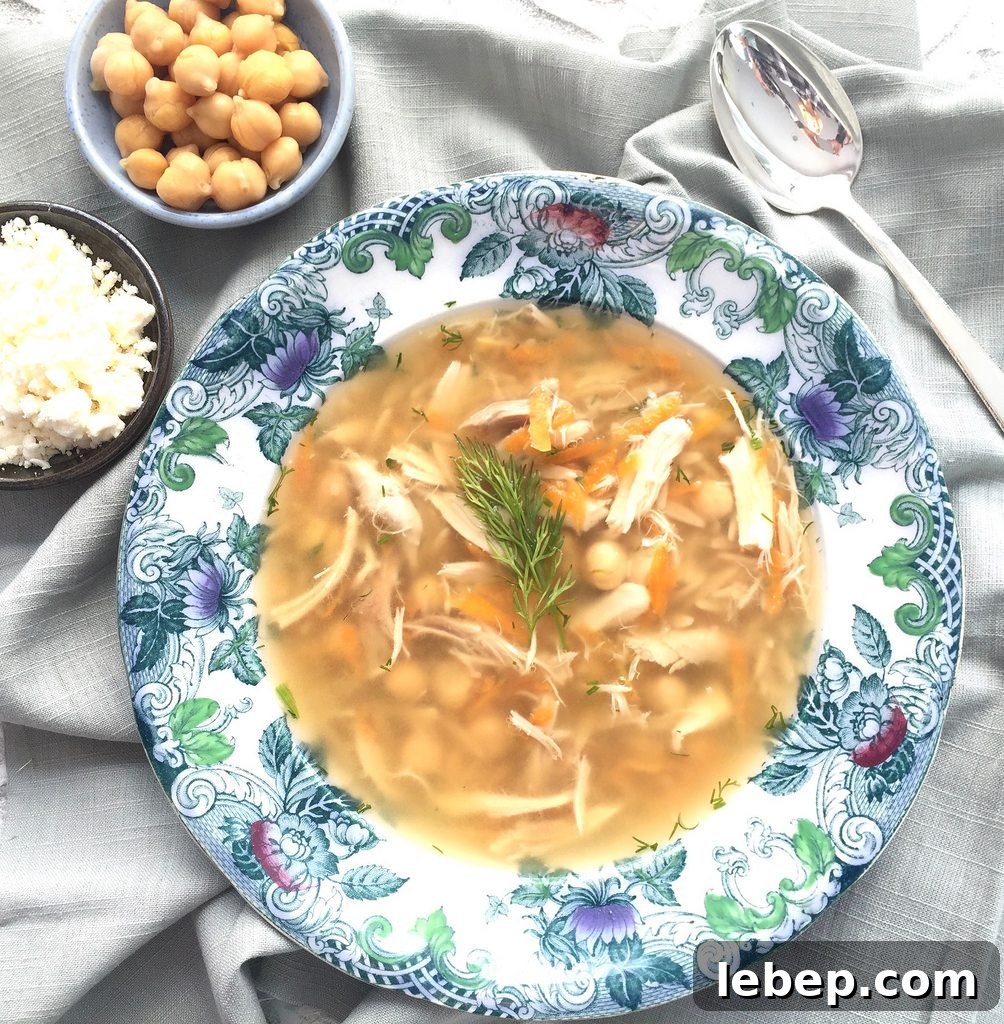
15. Cook mindfully. Prepare meals with the explicit goal of minimizing waste. Save carrot peels, herb stems, and other scraps in a resealable bag in the freezer to use later for homemade broths. Freeze chicken bones for future stock.
16. Repurpose stale bread. Stale bread is perfect for panzanella or croutons. The bread soaks up dressings and becomes chewy, flavorful bites—an ideal way to rescue day-old loaves.
17. Make homemade vegetable broth. Collect vegetable scraps—onion ends, carrot tops, mushroom stems, and herb stems—and simmer them in a slow cooker or pot to make a rich homemade broth. It’s an efficient use of parts you might otherwise discard.
18. Make the most of leftover wine. Wine that’s a day old can still be used in cooking or in drinks like single-glass sangria combined with leftover citrus. It’s an easy way to avoid pouring out usable wine.
19. Turn leftovers into broth. After roasting a whole chicken, use the carcass to make bone broth. Pair leftover meat and bones with vegetable scraps for a nutrient-rich stock that stretches ingredients and reduces waste.
How do you repurpose leftover ingredients and food scraps? Share your ideas and recipes—your tips can help others make small changes that add up to big reductions in food waste.