
Inside: When your baby isn’t feeling well, you’ll do whatever it takes to comfort them. Here are practical, time-tested ways to soothe a sick baby — from a mom of three.

There’s almost nothing worse than watching your baby feel unwell.
No parent wants to see their child in pain. We’d all trade places if we could. But minor illnesses are a normal part of early childhood and help build a child’s immune system.
Now that our little one is walking, she explores everything — cabinets, floors, dusty corners — and of course everything goes into her mouth. At thirteen months she’s teetering into toddlerhood but still teething, so new discoveries often end with sniffles and colds.
Usually it starts with a runny nose, then we notice warmth to the touch. A quick temperature check confirms a fever and the reality that she’s coming down with something.
A Sick Baby Is a Grumpy Baby
Some babies act mostly themselves despite a fever or virus, but many become fussier and less cheerful than usual. Since crying is often their only way to communicate, and being sick usually means staying home, boredom and discomfort combine into one very grumpy baby.
So how can you both comfort and distract a sick baby until they feel better?
How to Soothe a Sick Baby
After you’ve checked with your pediatrician and received advice to keep your child comfortable and monitor symptoms, the routine at home becomes your main tool. You’ll likely skip outings for the park or errands — you don’t want to spread germs, and your child may not have the energy.
Below are a few gentle, practical strategies that have helped me get through those rough days and nights with a sick little one.
1. Baby Them
At this age our daughter fiercely insists on independence and often prefers to explore instead of cuddle. So when she comes over and rests her head on my lap, I know she isn’t feeling well.
Enjoy these moments. Extra cuddles, rocking, and soothing contact reassure a sick baby and help them settle. When you were a child, nothing probably made you feel better than a little extra attention from your parent — babies feel the same way.
2. Offer Comfort Foods
Illness can reduce appetite. If your child shows interest in a small treat or a familiar comfort food, it’s okay to let them have it in moderation. On a day when my toddler refused nursing but pointed excitedly at homemade butter cookies, I let her enjoy a few. The priority is keeping them nourished and hydrated.
Always pair snacks with fluids — water, breast milk, or formula — to prevent dehydration. While sugar isn’t ideal every day, a little treat during a rough stretch can brighten their mood and encourage eating.
3. Allow Quiet Screen Time
A short period of favorite shows or soothing videos can calm a sick child and give them a mental break from discomfort. When my girls are ill, they’ll sit on my lap, snack a bit, and watch familiar programs that take their mind off how they feel.
Use screen time sparingly and choose soothing, age-appropriate content. If it helps your child relax and rest, it’s a reasonable tool for a temporary illness.
4. Give a Bath (or More)
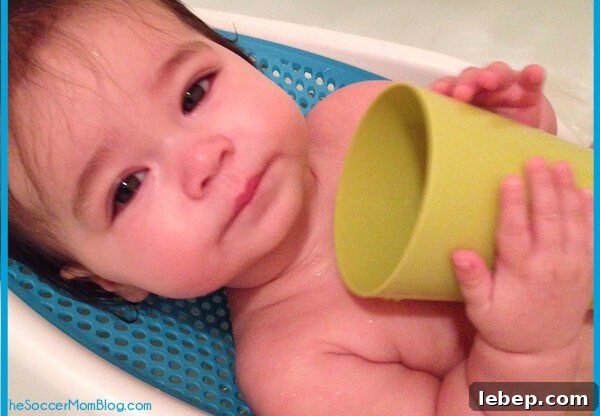
Bath time is often a highlight, even when kids are under the weather. A lukewarm bath can relieve sinus congestion and sometimes lower a fever slightly, while also lifting spirits with playful splashes and warm comfort.
When one of our children had the flu, a few gentle baths helped ease congestion and improved her comfort enough to sleep better. Sit nearby, supervise closely, and make baths calm and comforting rather than overstimulating.
5. Co-Sleep for Rest
When my children were newborns I co-slept out of necessity after cesareans, and later moved them to their cribs. Still, during sickness I’ll occasionally allow snuggling in our bed so everyone can rest. Close contact can soothe a distressed baby and sometimes help everyone get more sleep.
Trust Your Instincts
No matter how careful you are, babies will get sick. When that happens, focus on keeping them comfortable, hydrated, and calm. That might mean breaking a few usual rules: extra cuddles, a small treat, a comforting bath, or quiet screen time. Those simple comforts often make a big difference.
Always check with your pediatrician if you’re concerned about symptoms or unsure what to do. I make it a point to consult our doctor when my baby seems more than mildly ill. Use these home strategies alongside professional advice.
Trust your instincts — you know your child best, and you’ve got this.
Originally published July 1, 2015; updated January 15, 2021
You might also like:
How to Reduce Fever in Babies and Toddlers
How to Get Rid of Cradle Cap in Babies
Parents: Stop Sending Sick Kids to Class