In an era of relentless consumerism, new skincare and cosmetic products appear constantly, promising quick solutions for concerns we might not even have noticed. With shelves full of serums, creams, and makeup, it’s easy to focus on marketing and overlook what’s actually in the jars and tubes.
The truth is many skincare and makeup items contain hormone disruptors and other harmful chemicals linked to health problems ranging from eczema to cancer and reproductive toxicity. Because skin is the body’s largest organ, ingredients can be absorbed and enter the bloodstream. Even if you’re not ingesting these substances, they can still affect your health.
Below, you’ll find a clear guide to common toxic ingredients to avoid in skincare and cosmetics, plus practical tips for detoxifying your beauty routine and finding safer alternatives.
Table of Contents
- Is Most Skincare Toxic?
- Common Ingredients To Avoid In Skincare
- Butylated Compounds
- Formaldehyde or Formaldehyde Releasers
- Fragrance
- Hydroquinone
- Mineral Oil
- Oxybenzone, Octinoxate, Avobenzone, and Homosalate
- Parabens
- PFAS
- Polyethylene Glycol, or PEGs
- Phthalates
- Resorcinol
- Sulfates
- How Do I Find Skincare Products Without Toxic Chemicals?
- How Do I Remove Harmful Chemicals from My Skincare Routine?
- 1. Start with the basics
- 2. Replace products as you run out
- 3. Opt for affordable brands
- My 7 Favorite Non-Toxic Skincare Brands
- Attitude
- Honest
- Crunchi
- Juice Beauty
- Pure Haven
- 100% Pure
This guide contains affiliate links, which means we may earn a commission if you decide to make a purchase. As always, we only recommend products we believe in.
Is Most Skincare Toxic?
Many ingredients used in cosmetics and personal care products haven’t been fully evaluated for long-term safety. Often a chemical is approved because it doesn’t cause an immediate reaction like a rash, but fewer ingredients have been studied for chronic effects such as endocrine disruption or cancer risk. The fact that something is on a store shelf does not guarantee it’s safe.
Regulation is improving in some places, and consumer demand for safer products has pushed brands to reformulate and new non-toxic options into the market. Still, it’s wise to read and understand product labels when safety matters to you.
In short: while harmful products do exist, many safe, high-quality options are now available, and the industry continues to shift toward cleaner formulations.
Common Ingredients To Avoid In Skincare
Whether you’re shopping for skincare, makeup, hair care, or nail products, watch for the following ingredients. They have been associated with allergic reactions, endocrine disruption, reproductive and developmental harm, or other adverse effects.
Related Articles:
Body
Natural Skincare for Teens & Tweens (11 Organic & Non-Toxic Brands)
Body
My Favorite Clean & Natural Men’s Skincare Brands (+ Body & Hair Care, Too!)
Body
Best Natural & Non-Toxic Anti-Aging Skincare Brands
Body
21 Best Non-Toxic & Natural Skincare Products for Acne
Butylated Compounds
Butylated antioxidants such as BHT and BHA are used as preservatives. They’ve been associated with endocrine disruption and reproductive effects. Some studies also link BHT to lung inflammation, liver enlargement, and other changes depending on exposure and processing.
Formaldehyde or Formaldehyde Releasers
Formaldehyde is a known carcinogen and has been linked to fertility impacts. While formaldehyde itself is less commonly added directly to cosmetics, many preservatives release small amounts of formaldehyde over time. Common formaldehyde-releasing preservatives include quaternium-15, diazolidinyl urea, DMDM hydantoin, imidazolidinyl urea, and sodium hydroxymethylglycinate.
Fragrance
“Fragrance” or “parfum” can hide dozens of undisclosed chemicals. Companies are not required to list every component of a fragrance blend, so endocrine-disrupting chemicals like certain phthalates can be present without appearing on the label. Look for fragrance-free products or ones scented with clearly listed natural essential oils, but note essential oils can irritate sensitive skin.
Hydroquinone
Hydroquinone, typically available by prescription, is used for hyperpigmentation. It has raised concerns related to organ toxicity and potential cancer links, which is why it’s regulated in many regions.
Mineral Oil
Mineral oil derivatives such as paraffin and petrolatum are common emollients. The risk they pose depends on how they’re processed; some poorly refined mineral oils have been associated with health concerns, including cancer risk in certain contexts.
Oxybenzone, Octinoxate, Avobenzone, and Homosalate
These synthetic UV filters are common in sunscreens and SPF products. They can cause skin irritation and may act as endocrine disruptors. Some also harm marine ecosystems, particularly coral reefs. If you prefer mineral-based sunscreens, zinc oxide and titanium dioxide are often considered safer alternatives when formulated correctly.
Parabens
Parabens (methyl-, propyl-, butyl-, ethyl-) are widely used preservatives. They’re suspected endocrine disruptors and have been linked in some studies to breast tissue changes, fertility impacts, developmental effects, and mood-related outcomes. Many brands now avoid parabens and advertise paraben-free formulations.
PFAS
PFAS, often called “forever chemicals,” appear in some cosmetics to provide durability, water resistance, or a smooth finish. Examples include polytetrafluoroethylene (PTFE) and other fluorinated ingredients. PFAS are associated with long-term health concerns. To avoid intentionally added PFAS, watch for ingredients with “fluoro” or “perfluoro” in the name.
Polyethylene Glycol, or PEGs
PEGs and ethoxylated ingredients are manufactured using ethylene oxide and may be contaminated with 1,4-dioxane, both of which are carcinogenic or suspected carcinogens. Because these ingredients are common, minimizing exposure and choosing brands that test for contamination can reduce risk.
Phthalates
Phthalates are often hidden under “fragrance.” These endocrine disruptors have been linked to fertility issues, pregnancy complications, developmental problems in children, and other health concerns. Choosing products labeled phthalate-free and avoiding ambiguous “fragrance” listings helps limit exposure.
Resorcinol
Used primarily in hair dyes and some acne cleansers, resorcinol can disrupt thyroid function and act as a skin sensitizer. Those with thyroid disorders or sensitive skin should be cautious.
Sulfates
Sulfates like sodium lauryl sulfate (SLS) are effective foaming agents but can irritate sensitive or eczema-prone skin. If you experience dryness or dermatitis, consider sulfate-free cleansers.
How Do I Find Skincare Products Without Toxic Chemicals?
Finding non-toxic skincare is easier than it used to be. If you’re unsure about a product, databases and apps can help you check ingredient safety. Look for lower hazard scores when using reputable resources, and prioritize brands that publish full ingredient lists and transparent sourcing practices.
Clean products are increasingly available at mainstream retailers, drugstores, and specialty shops. You can also support local makers at farmer’s markets or health food stores, which is a great way to discover gentle, thoughtfully made products while supporting small businesses.
How Do I Remove Harmful Chemicals from My Skincare Routine?
Transitioning to a cleaner routine doesn’t require tearing out every product at once. Use these practical strategies to switch more comfortably and affordably.
1. Start with the basics
Simplify your routine and begin with essential items: a gentle cleanser, a basic moisturizer, and sunscreen if you use it daily. Replacing these core items with non-toxic alternatives addresses the majority of exposure from daily products.
2. Replace products as you run out
Swap items gradually as they’re used up rather than replacing everything at once. This staggers cost and makes it easier to identify any product that doesn’t agree with your skin.
3. Opt for affordable brands
You don’t need to overspend to find clean, effective products. Many affordable brands now prioritize non-toxic ingredients and high-quality formulations—look for those with clear ingredient standards and third-party verifications when possible.
My 7 Favorite Non-Toxic Skincare Brands
Choosing a brand committed to safer formulations reduces the time you spend scrutinizing ingredient labels. Below are several reputable brands known for prioritizing non-toxic ingredients and transparency. They offer a range of products for different needs and budgets.
Attitude
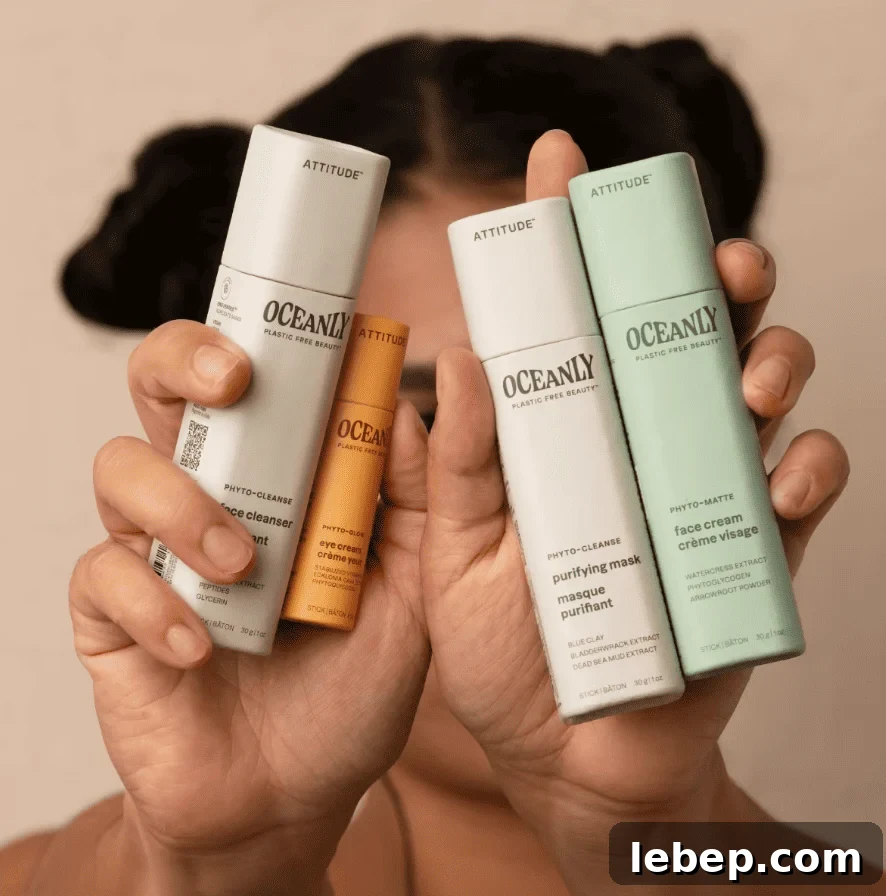
Attitude offers a wide range of personal care and household products, many of which are verified by third parties and formulated to avoid common toxins. They focus on cruelty-free and vegan options for everyday use.
Honest
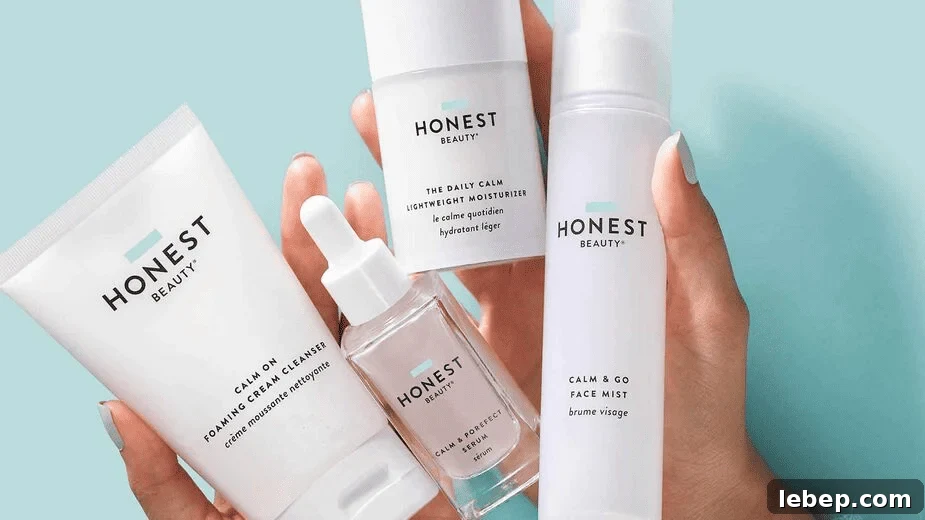
Honest is known for accessible, affordable non-toxic products across skincare, makeup, baby care, and home goods. They maintain a “No List” that excludes thousands of concerning ingredients from their formulations.
Crunchi
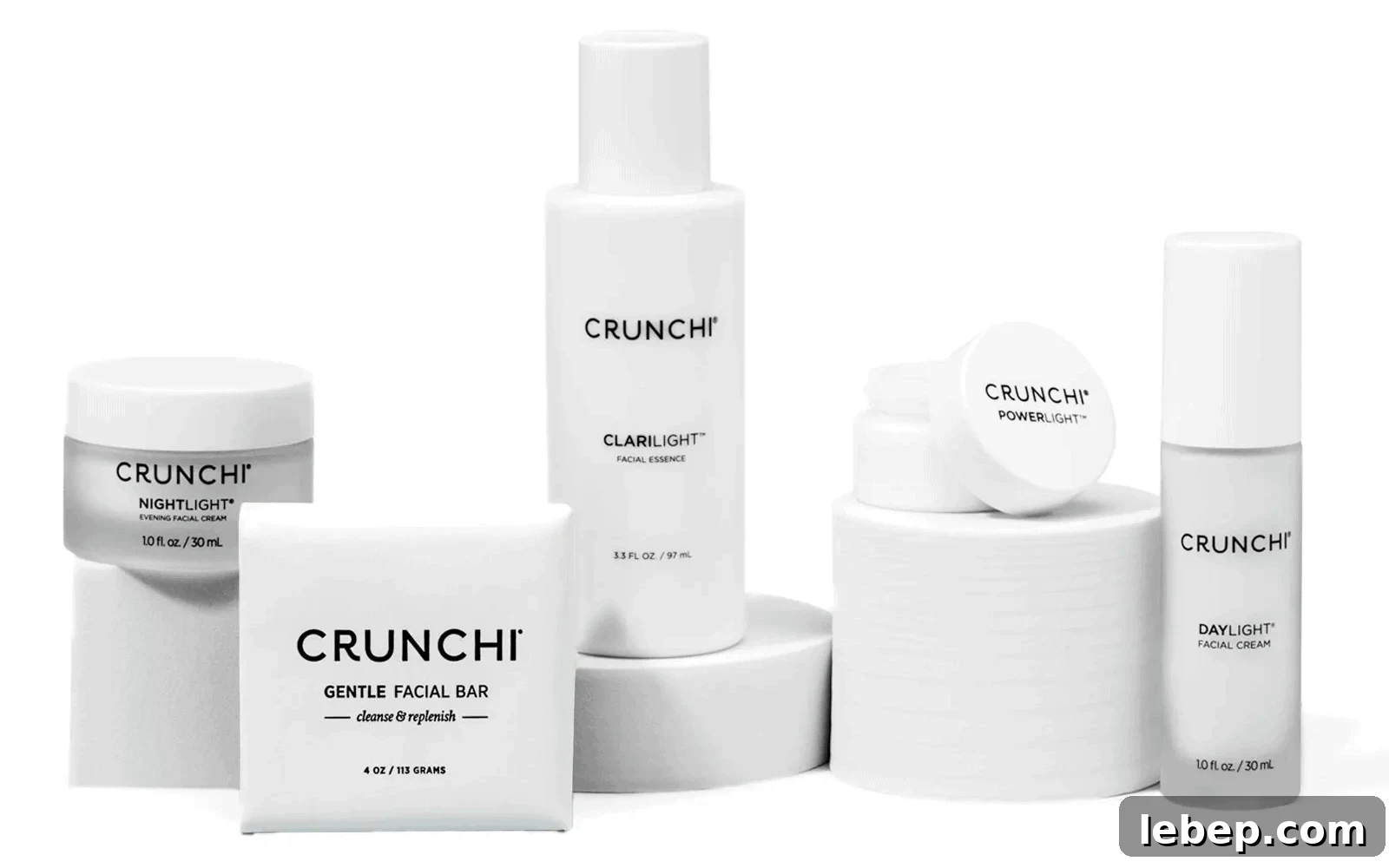
Crunchi focuses on safe, sustainable, cruelty-free makeup and skincare with clearly defined banned ingredients lists and thoughtfully chosen formulas.
Juice Beauty
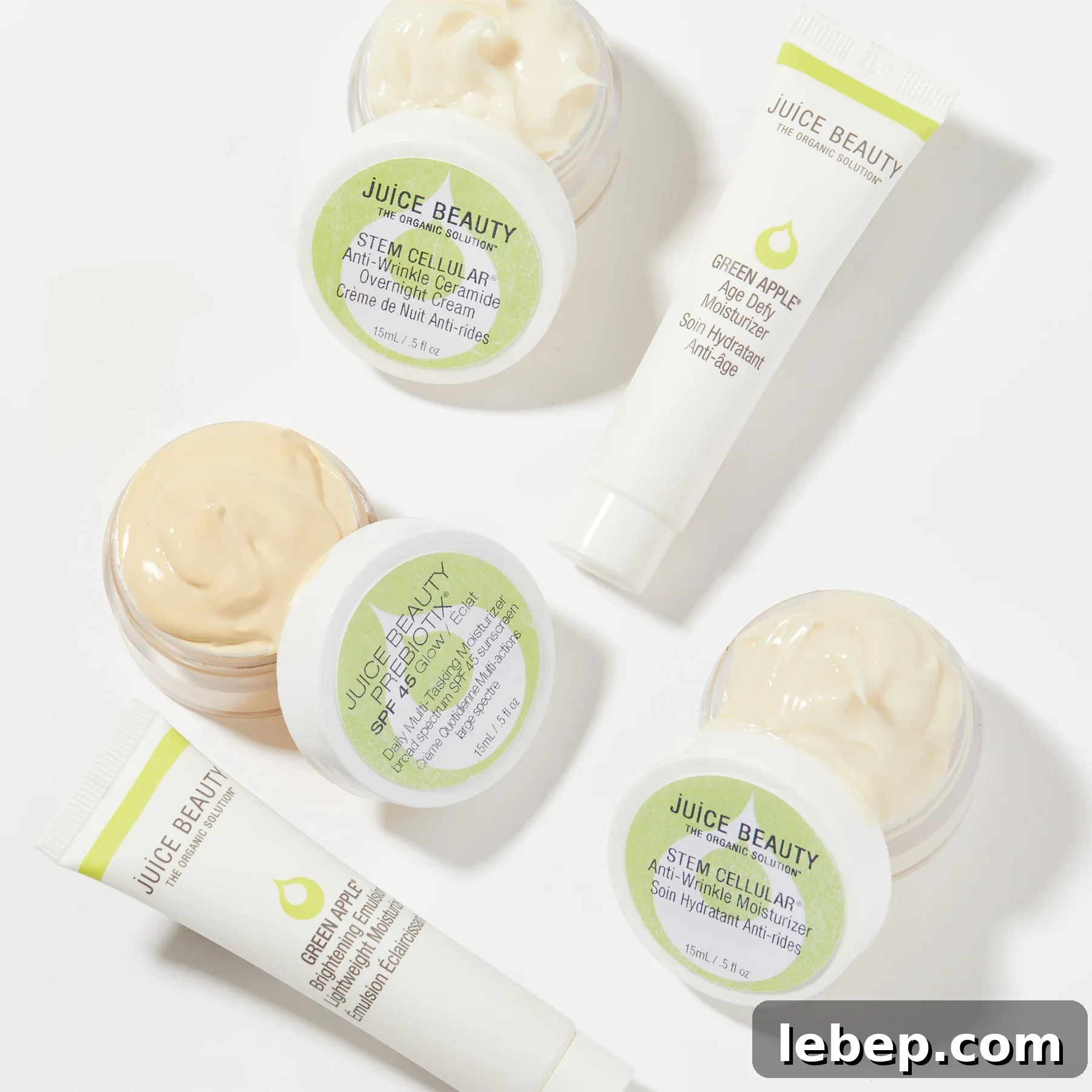
Juice Beauty emphasizes organic, plant-based ingredients and sustainable practices, avoiding many conventional cosmetic toxins while offering well-formulated skincare and makeup.
Pure Haven
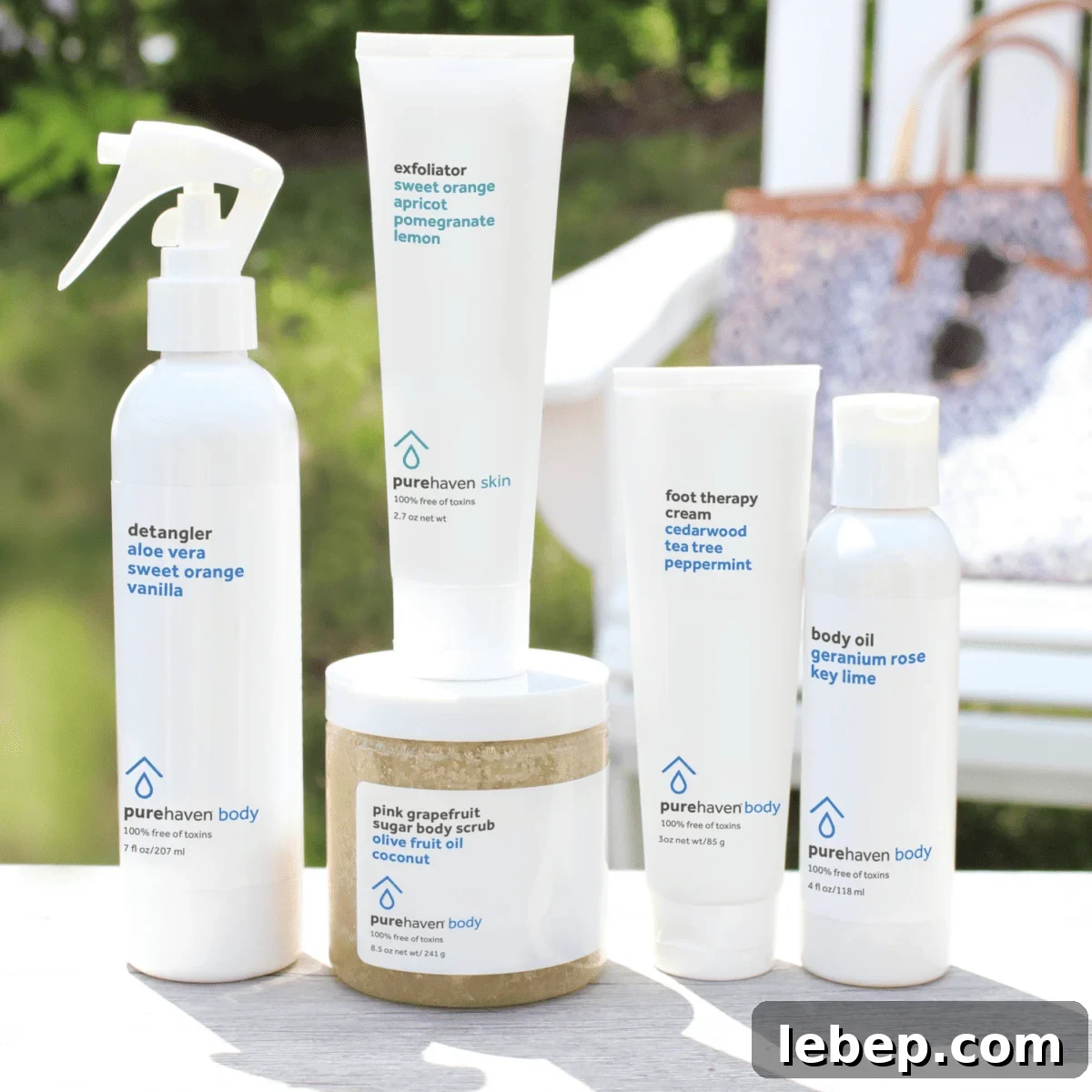
Pure Haven is committed to safe ingredient lists and science-backed formulations. They avoid many common toxins and focus on high-performing, clean products.
100% Pure
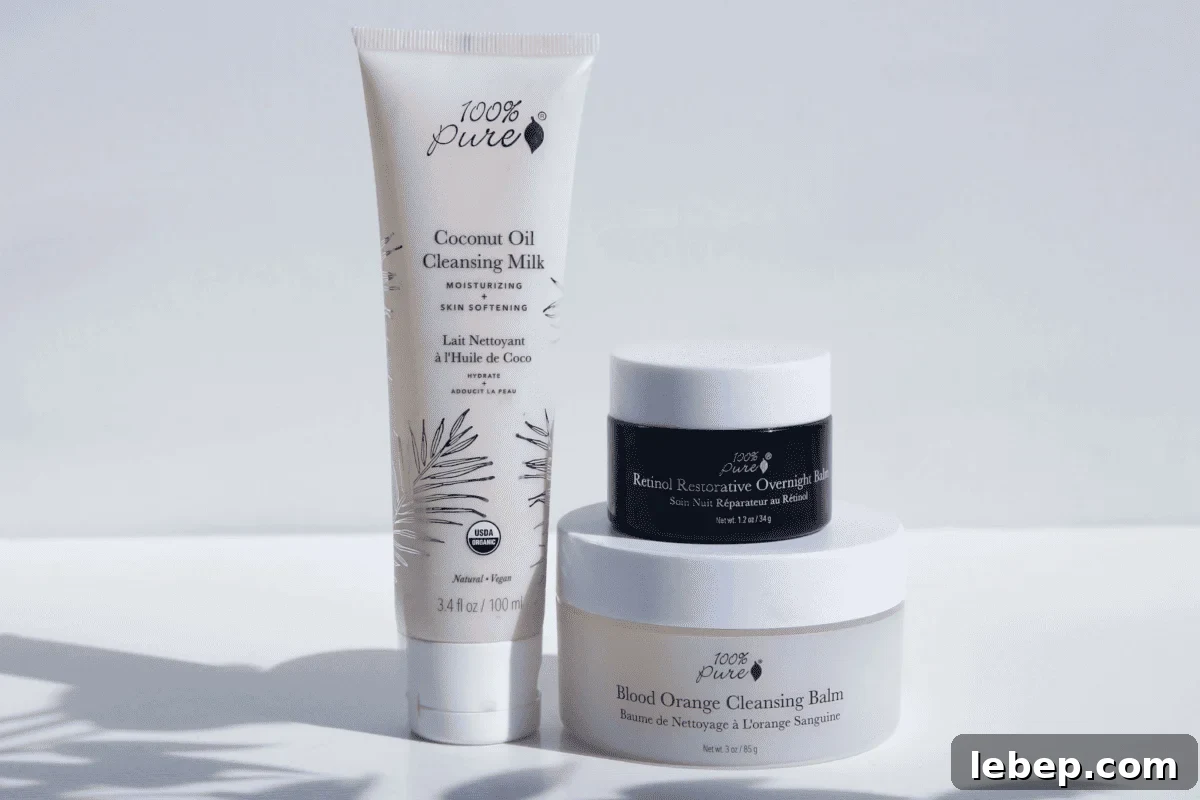
100% Pure focuses on naturally pigmented makeup and plant-derived skincare, emphasizing responsibly sourced and minimally processed ingredients.
No matter your skin type, the clean beauty market now offers many non-toxic options. By choosing brands that prioritize safety and transparency and taking a gradual approach to replacing products, you can build a skincare routine that supports both skin health and overall well-being.
To receive updates about new content and news on environmental toxins, consider subscribing to newsletters from trusted sources and brands you follow.