Winnie Abramson writes at Healthy Green Kitchen, where she shares a love of real food, wholesome home cooking, and sustainable living. She lives in New York’s Hudson Valley with her husband and two children, along with a menagerie that includes dogs, cats, turtles, chickens, and honeybees. Winnie holds a degree in naturopathic medicine and a black belt in karate. You can find her on Twitter and Facebook.
This guest post is part of October Unprocessed. If you’re new here, welcome — and it’s not too late to join. Click here to learn more.
If you’ve decided to eat mostly unprocessed foods, you might worry about rising grocery bills. It’s true that organic produce, raw dairy, and pasture-raised meats can cost more than their conventional counterparts. Still, there are many practical ways to keep your food budget under control while prioritizing whole, minimally processed ingredients. Here are ten realistic strategies to save money on an unprocessed diet without sacrificing quality.
1. Cook at home. Preparing meals at home is almost always healthier and less expensive than eating out. Home cooking gives you control over ingredients, portion sizes, and costs.
2. Reduce meat portions. Eating less meat lets you spend more on higher-quality cuts when you do buy them. Consider buying grass-fed or pastured meat in bulk from a trusted farmer — buying a quarter or half animal directly can be far more economical than purchasing small packages at the grocery store.
3. Brew your own coffee and tea. Making coffee and tea at home saves money and often leads to healthier choices: when you prepare beverages yourself you’re less likely to pick up processed pastries or sugary drinks from cafes.
4. Grow what you can. A small garden can supply an abundance of fresh organic produce once established. Initial setup costs are offset by season-after-season yields. If gardening isn’t possible, look into a CSA (community supported agriculture) share — splitting a share with a friend or neighbor can reduce costs and increase variety.
5. Preserve seasonal produce. Learning to can, freeze, pickle, or make jam stretches the value of summer harvests into the colder months. Preserving is economical, reduces waste, and yields homemade gifts that friends and family appreciate.
6. Join a co-op. Food co-ops or buying groups let you purchase staples in larger quantities directly from distributors at lower prices. Bulk purchases of grains, beans, nuts, seeds, and pantry staples are cost-effective and reduce packaging waste. Sharing large orders with others in the co-op further lowers individual costs.
7. Shop sales and stock up. Watch for sales on staples you use regularly — items like butter, frozen fruit, and pantry basics can be purchased in larger quantities when discounted and stored for later use.
8. Buy bulk basics. Nuts, seeds, grains, and dried beans are usually cheaper when bought in bulk. Dried beans, in particular, cost far less than canned beans and are easy to prepare at home.
9. Make common convenience items yourself. Many foods that seem expensive at the store are simple to make at home: granola, stocks, sauces, yogurt, and fermented drinks like kombucha are often fresher, healthier, and cheaper when homemade.
10. Prioritize within your budget. You don’t need to buy everything organic to eat well. Focus on organic for the produce with the highest pesticide residues and choose local conventional produce when it’s more affordable. Washing fruits and vegetables thoroughly also helps. The most important thing is eating whole foods—making that shift brings the biggest health benefits even if every item isn’t organic.
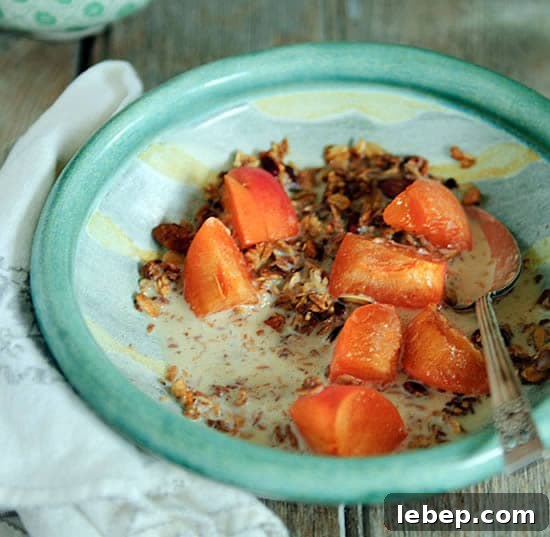
Nutty Olive Oil Granola Recipe
Rate Recipe
Print Recipe
Ingredients
- 6 cups organic rolled oats use certified gluten-free oats if needed
- 1 cup organic shredded unsweetened coconut
- 1 cup chopped almonds roasted, sea salted if desired
- 1/2 cup skinned chopped hazelnuts
- 1/2 cup raw sunflower seeds
- 1/2 cup raw sesame seeds
- 3/4 cup olive oil
- 1/2 cup honey
- 1/2 cup demerara or other non-refined sugar
- 1 tablespoon ground cinnamon
- 1 tablespoon pure vanilla extract
- 1 teaspoon fine sea salt
Instructions
-
Preheat the oven to 350°F (175°C). Line a rimmed baking sheet with parchment paper.
-
In a very large bowl, combine the oats, nuts, and seeds. Add the olive oil, honey, sugar, cinnamon, vanilla, and salt. Mix thoroughly with a wooden spoon or clean hands until the dry ingredients are evenly coated.
-
Spread the granola in a thick, even layer on the prepared baking sheet and press it down firmly to encourage clumping.
-
Bake for about 15 minutes.
-
Rotate the pan and bake another 15 minutes, or until the granola is golden and fragrant. You may stir once if you prefer looser clusters.
-
Let the granola cool in the pan for at least an hour — or up to overnight, covered — before breaking it into clusters and storing in an airtight container. It keeps well at room temperature in jars, or freeze portions for longer storage.
Nutrition
Like this recipe? Rate and comment below!